


 European Auto Stocks Rise as EU-China Trade Deal Targets Hybrid Imports
  Canton Network Expands in South Korea With Major Partnerships
  European Stocks Rise as Oil Prices Fall Ahead of US CPI
  Nasdaq Faces Pullback to 26,225 Despite Bullish Outlook, UBS Says
  Fed's Hammack Urges Faster Rate Hikes to Fight Inflation
  Bumble Shares Surge 50% on $1 Billion Buyout Talks
  Trump Defends Russian Diesel Deal Amid US Sanctions Backlash
  Samsung, SK Hynix Shares Plunge as China Chip Competition Grows
  Moonshot AI Executives Seek Settlement Ahead of Hong Kong IPO
  Russia Approves Sberbank for Crypto Exchange Services
  Epic Games Delays Disney Shooter, Shifts to AI-First Development
  Asian Currencies Steady as Dollar Nears 18-Month High Ahead of US CPI
  Deutsche Bank CEO Urges Faster German Economic Reforms
  Trump Secures Russian Diesel Deal as US Fuel Prices Surge
  Arthur Hayes Announces FLOP Testnet Launch Within Weeks
  Apple Supplier Luxshare Faces US Patent Probe, Sees Limited Impact
  FAA Warns US Airlines Over Saudi Arabia Flight Risks


 Add as a preferred source on Google
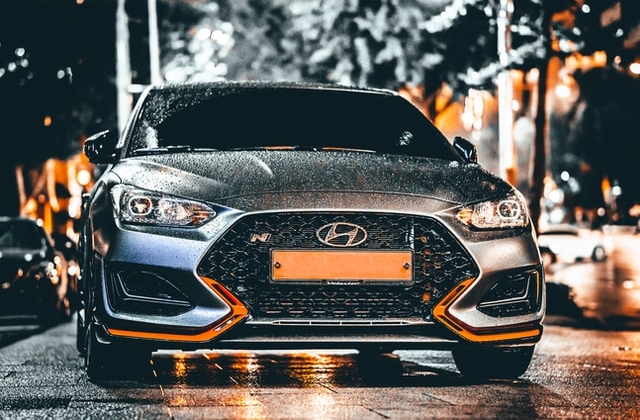
Hyundai Motor Co. revealed on Friday, July 9, that it had ceased operations in seven of its plants in South Korea. The automaker announced that it would be suspending the production of electric vehicles in these factories for four weeks.
Cause of the plant temporary closures
According to Yonhap News Agency, Hyundai Motor will be temporarily closing its plants for the needed upgrades of the facilities. The move comes as the company is preparing to mass-produce its IONIQ 6 electric vehicle model.
It was reported that the Korean automaker will be suspending the operations of its plant in Asan starting Tuesday until Aug. 6. While closed, the company will renovate the facility so it can accommodate the requirements for building Hyundai’s EV models.
The firm’s spokesman said that the EV production for IONIQ 6 is expected to begin before the year ends. It was shared that Hyundai Motor’s plant in Asan is specifically producing the Santa Fe SUV and the Sonata sedans. The plant is producing 300,000 units of these models per year.
In any case, Hyundai Motor will be introducing its IONIQ 6 next year, and by 2024, the IONIQ 7, which is a bigger SUV, will follow. Apparently, the company is naming its electric vehicles using alphanumeric names like a series from 1 to 8.
Currently, Hyundai has five plants in Ulsan, one in Jeonju, and one in Asan. It is also operating 10 other factories overseas that include four in China and one each in Turkey, Russia, the United States, Czech Republic, Brazil, and India.
Hyundai resumes production after suspension due to chip shortage
Meanwhile, the new temporary halting of production in Asan is the second one since June. In fact, The Korea Herald reported that the company just resumed its plant operation in the third week of June, and now, it was closed again.
At that time, Hyundai Motor Co. had to shut its production facilities due to chip and other car parts shortages. It was said that the short suspension caused the company to lose 1,027 vehicles. Meanwhile, the chip shortages continue to this day, and many technology and auto companies are affected, with businesses incurring huge losses.







