Gulf air defenses performed well during the Iran conflict, but Gulf states still need tighter coordination and less costly ways to meet drone attacks, according to a study by the International Institute for Strategic Studies (IISS).
Chapter six, “Evolving Gulf Defence Priorities,” says effective defenses have not resolved weaknesses across the region. Governments continue to face difficulty connecting sensors, warning systems and weapons, while interceptor supplies are constrained worldwide. The chapter says the United States remains essential to Gulf defense because credible alternatives are scarce.
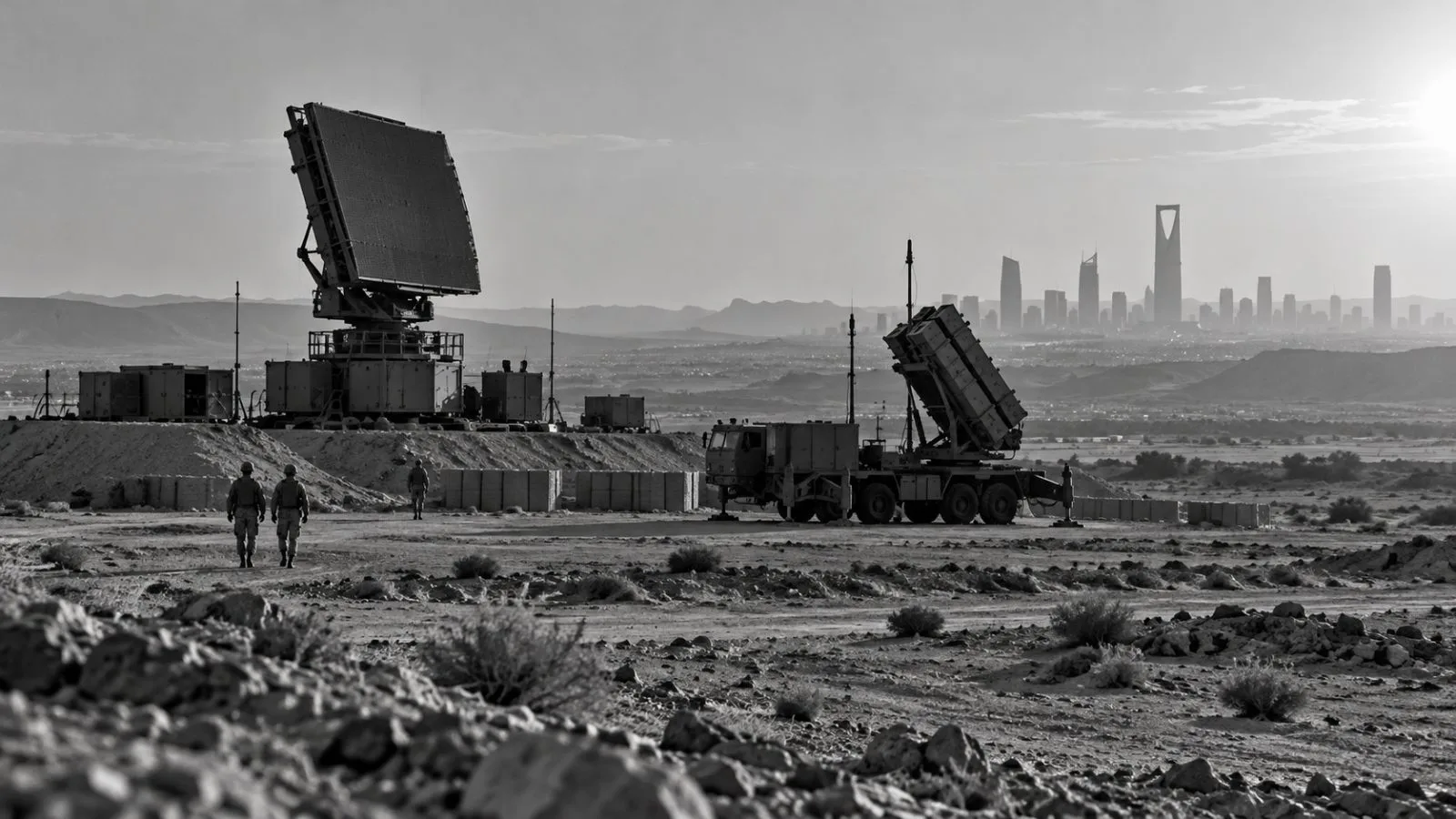
IISS identifies integrated air and missile defense, early warning, command systems and maritime awareness as priorities. It also points to gaps in long-range strike capability and maritime protection, including the ability to counter mines, missiles and uncrewed aircraft.
The study says Gulf states need to prepare for large numbers of lower-cost drones without depending on expensive interceptors for every engagement. That challenge comes as governments work to rebuild interceptor inventories and face shortages of the weapons they rely on. The chapter’s concerns include both the cost of matching high-end systems against cheaper threats and the difficulty of coordinating defenses across the region.
Saudi Arabia has used air-to-air missiles against Houthi drone attacks for years, a precedent cited in the chapter. The example sits alongside IISS’s broader concern about the expense of countering lower-cost drones with advanced systems. Retired U.S. Gen. David Petraeus has also argued that militaries need to adapt beyond acquiring new weapons in response to drone warfare, as discussed in his call for broader military changes.
The Guardian’s account of the IISS study said Iran could portray a U.S. withdrawal from the region as a strategic success.