ING analysts say traders will reassess whether oil’s Iran-related premium is still warranted after the Nov. 3 U.S. midterm elections, as Gulf security risks and diplomacy shape the outlook for crude.
ING analysts Warren Patterson and Ewa Manthey said the vote’s aftermath may prompt traders to reconsider the added price support tied to Iran tensions. They said that support could ease if no U.S. strike on Iran or diplomatic agreement follows the election.
Reuters reported that the expiring December Brent contract ended at $117.64 per barrel on Oct. 30, a gain of $2.76, or 2.4%. The more actively traded January contract rose $2.63 to $113.43. The prices cover different delivery months, and ICE’s expiry calendar marks Oct. 30 as the December contract’s final trading day.
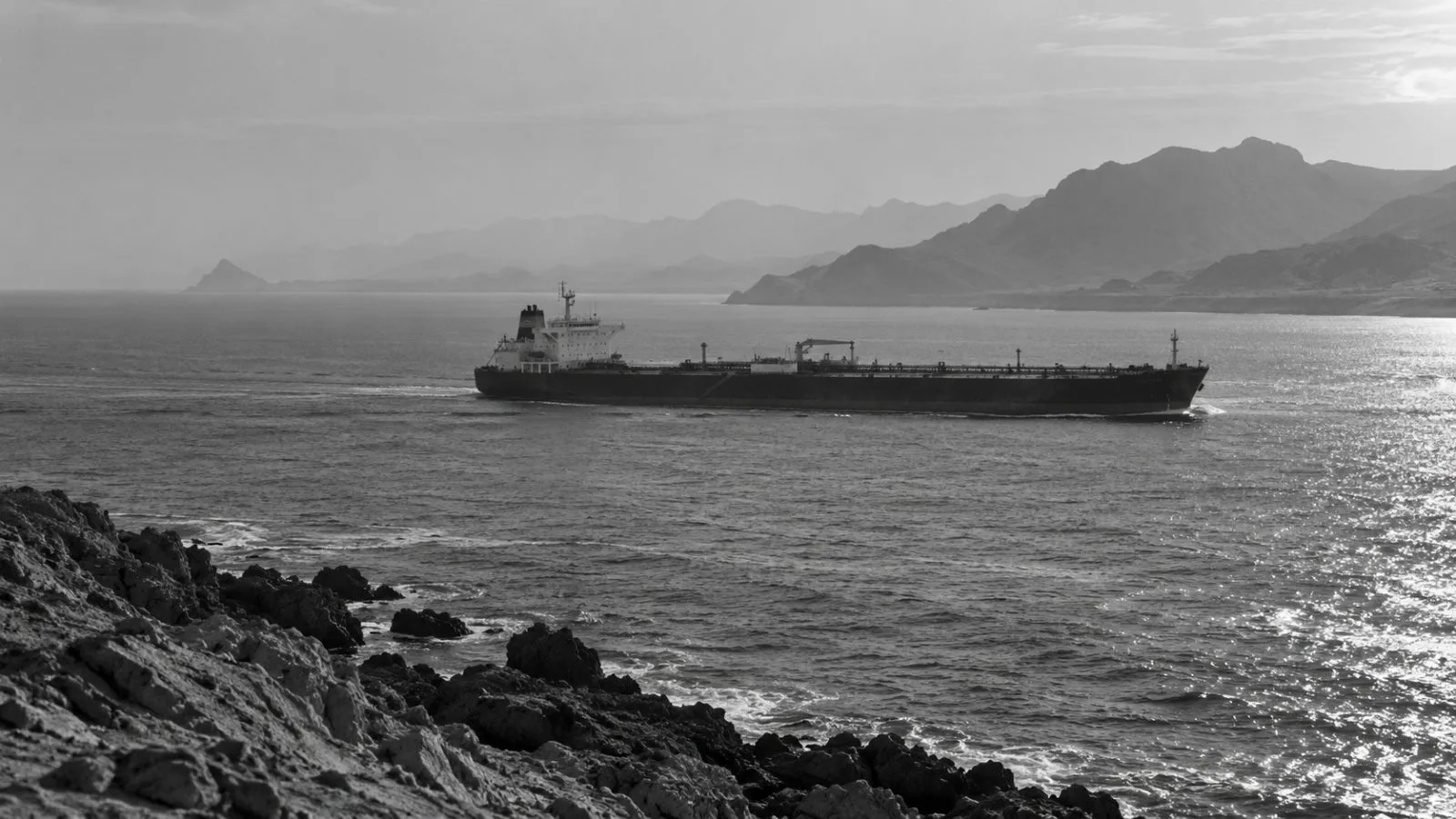
Security concerns in the Gulf remained in focus after the United Kingdom Maritime Trade Operations (UKMTO) reported an incident near Oman. The agency said a small boat neared an outbound tanker 25 nautical miles northeast of Khasab at 2212 UTC on Oct. 29. After two devices were attached to the tanker’s hull, an engine-room fire left it temporarily disabled. In its update the next day, UKMTO said the crew was safe, the fire was out and the vessel was continuing its journey. The agency reported no environmental impact and did not identify who was responsible.
ING’s figures put the speculative net-long tally for ICE Brent at 245,457 lots on Oct. 27, after an increase of 3,576 lots during the reporting week. That remained below the year’s high of about 430,000 lots in March. The update follows EconoTimes’ earlier report on ING’s view of Brent’s Iran premium.
Separately, Interfax-Russia reported that Deputy Prime Minister Alexander Novak said attacks overnight into Oct. 30 hit three refineries and a gas-chemical complex, with one facility sustaining minor damage. ING said further attacks could affect diesel margins and put Russian diesel shipments in focus. The analysts cited Novak’s expectation that diesel exports would reach 2.15 million tonnes in November, compared with slightly more than 500,000 tonnes in October.
OPEC said seven OPEC+ countries decided Nov. 1 to keep December production requirements at September levels. The U.S. midterms are scheduled for Nov. 3, and OPEC+ is due to meet again Nov. 29.