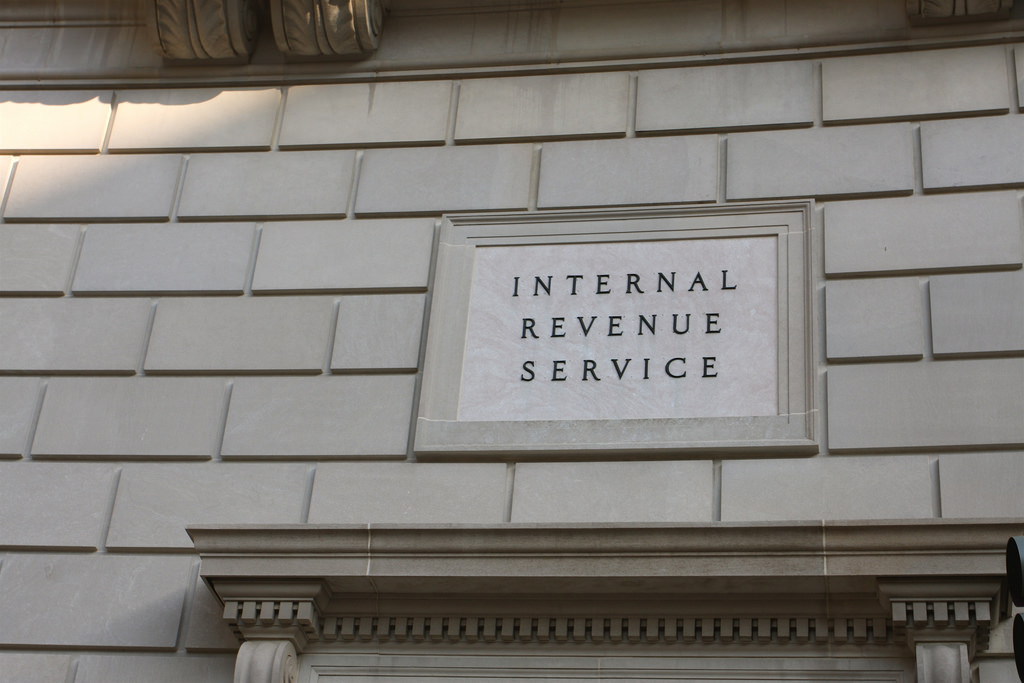
The IRS plans to spend millions on improving its existing platform and carry out a new taxation mandate. It’s estimated that the bureau wants to update 140 computer systems, which will cost around $291 million. That number, along with other operational back-end expenditures, will exhaust 90 percent of the agency’s budget, which is projected to be $11.4 billion in the next fiscal year, according to Forbes.
But blockchain can cut through that heavy cost easily enough while improving other aspects of the IRS's day-to-day operations. Speed, accuracy, data protection – these are just some of the advantages that the IRS can leverage if it does adopt this innovation, which it absolutely should.
Let us look at a couple of problems the bureau currently has and see how blockchain can help mitigate or even eliminate them altogether. In 2017, the IRS reportedly had about 242,000 identity-theft cases involving taxpayers.
Since blockchain’s design is created to provide transparency and a secure storage of information, the number of identity-theft cases can potentially be reduced to zero. The ability of blockchain as a means of data protection has already been tested and it made easy work of that test.
One of the methods that developers follow to ensure that only a verified entity is able to access a certain piece of information is to employ a digital certificate as well as a passkey in order to access a certain block. Without both of these requirements, there’s no possible way to infiltrate that information, even if a hacker got hold of an encrypted data. A cybersecurity firm already employs this method and is rolling out its services to the medical industry, financial market and other companies out there looking to protect sensitive data.
Another headache the IRS has to deal with is data exchange delay. When a taxpayer sends a payment over to the agency, it usually takes three to seven days for the transaction to be completed. Blockchain can reduce that number to mere minutes with increased accuracy and no paperwork as all of the information is stored on a digital ledger. What’s more, it stores it as an immutable record with no possibility of alteration from illicit actors.
If the IRS wants to audit an individual or a company, it can do so in real-time, instantly accessing pertinent information. These are just the small possibilities that the IRS can leverage, a small scratch on the surface of what the technology offers.
Of course, as any other technology, it’s not a cure-all solution. What blockchain does is provide an innovative way of conducting an operation that’s easier, faster and more secure.