


 Google Changes EU Spam Policy Amid Antitrust Scrutiny
  Nvidia-Groq AI Chip Deal Faces U.S. Antitrust Probe
  South Korea’s Cho Hyun to Meet Rubio in Washington
  Synthetic data could ease people’s concerns about privacy breaches. But who gets to create it?
  Judge Blocks Trump Rule Limiting Foreign Student Visas
  Nvidia CEO Jensen Huang Expected at Trump-Xi State Dinner
  Yemen Fighting Threatens Red Sea Oil Routes
  Banking scandal rocks Brazil’s politics and the country’s presidential election in October
  U.S. Imposes New Visa Restrictions Over South Africa Policies
  Iran Economic Crisis Forces Afghan Families to Return Home
  US Bans Canadian Alcohol, Motorcycles as Trade War Escalates
  Australia Tightens Student Visa Rules, Targets Migration Cut by 2028
  Guterres Urges Stronger Global AI Safeguards Ahead of UN Assembly
  U.S. Issues Cuba Health Alert as Illnesses Rise
  Who should own the knowledge that underpins AI technology?
  What is Zionism? The different meanings of a contested term
  Trump Hopes Iran War Nears End as Yemen Fighting Escalates


 Add as a preferred source on Google
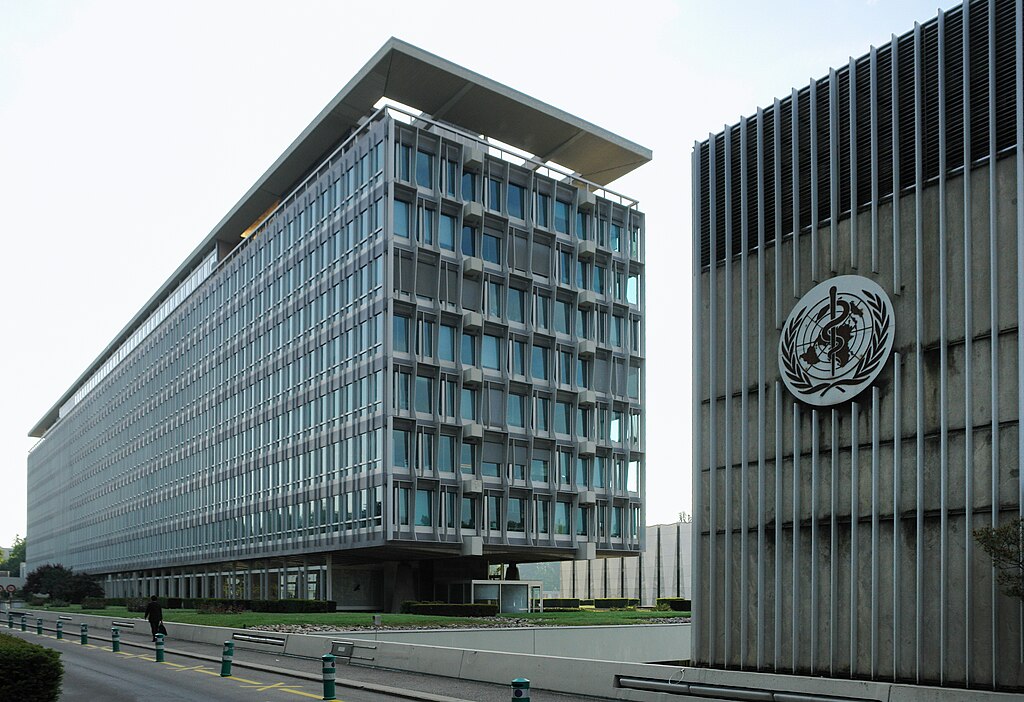
Illinois will join the World Health Organization’s Global Outbreak Alert and Response Network (GOARN), marking a significant public health move following the United States’ official withdrawal from the WHO last month. Governor JB Pritzker announced the decision on Tuesday, positioning Illinois as the second U.S. state to align with the international health network after California, which joined earlier this year.
The United States formally exited the World Health Organization after completing a mandatory one-year waiting period triggered by an executive order signed by President Donald Trump on his first day back in office in January 2025. The withdrawal has drawn criticism from Democratic leaders and public health experts who warn it could weaken the country’s ability to respond to global disease outbreaks and pandemics.
Governor Pritzker, a vocal critic of President Trump, said Illinois’ decision to join GOARN reflects a commitment to science-based public health policy and global cooperation. In a statement shared on social media platform X, Pritzker said he would not stand by while federal leadership undermines scientific institutions and weakens preparedness for global health threats. He emphasized that participation in GOARN will help ensure Illinois public health officials have access to critical information, technical expertise, and international partnerships.
GOARN is a World Health Organization–coordinated network that responds to public health emergencies worldwide, including infectious disease outbreaks and pandemics. The network includes more than 360 technical institutions, public health agencies, laboratories, and academic organizations that collaborate to detect, assess, and respond rapidly to health crises. While traditionally composed of national governments and institutions, subnational participation by U.S. states highlights growing efforts by local leaders to maintain global health engagement despite federal policy shifts.
Illinois’ move underscores a broader political and public health divide in the United States, with Democratic-led states seeking continued collaboration with international health organizations after the U.S. exit from the WHO. Supporters argue that global disease surveillance and rapid response networks like GOARN are essential for protecting local populations in an interconnected world.
By joining GOARN, Illinois aims to strengthen its public health preparedness, safeguard residents against emerging health threats, and remain connected to the global public health community despite the federal government’s departure from the World Health Organization.







