


 Best Gold Stocks to Buy Now: AABB, GOLD, GDX
  Gold Prices Fall Amid Rate Jitters; Copper Steady as China Stimulus Eyed


 Add as a preferred source on Google
Things do not look much better in the Eurozone. Long term inflation expectations react in a clearly visible manner to the developments of the oil price. It would be desirable to reach a situation where long term inflation expectations were independent of short term effects, as a sign of confidence into the ECB's ability to manage inflation.
While that is clearly not the case, the rising oil price is causing inflation expectations to rise again. Anyone accepting that inflation expectations play a significant role in the economic process of inflation generation will have to come to the conclusion that the inflation outlook in the euro zone remains depressed, at least as long as a continuous rise in commodity prices (unlikely) or a continuous euro depreciation create a constant flow of inflation momentum.
"At some stage sooner or later the ECB would then have to react. Later is more likely than sooner. It will have to become sufficiently clear that the medium term inflation target is being missed before the European central bankers change their QE programme (i.e. extend or expand it). That will then cause euro weakness through a different channel. Whichever way it will happen, in the end the different alternatives will all lead to a weaker euro", says Commerzbank.
This outlook would only come under threat if the rest of the world was in a similar situation, as all currencies obviously cannot depreciate at the same time. However, the Fed's relaxed approach signals, Nobody is going to take action against the appreciation of the US dollar, at least this currency will be able to shoulder the burden of appreciation.

- News

- Economy

- Central Banks
- Investing
- Research
- Roundups
- Digital Currency
- Insights
- Technical Analysis
- Technology
- Business
- Law
- Health
- Nature
- Fintech
- Science
- Topic
- Opinions
- ©Econometrics LLC . All Rights Reserved.
All roads lead to weaker Euro
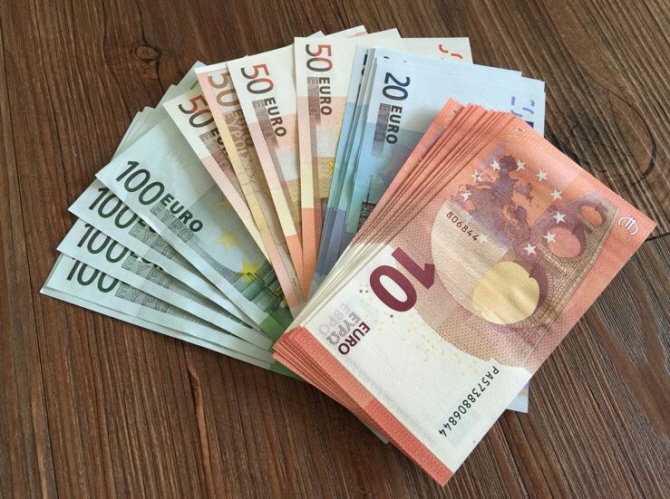
Tuesday, September 1, 2015 6:47 AM UTC
Editor's Picks



- Market Data
Most Popular




