


 NATO Commander Warns Russia of Devastating Response to Attack
  Mahmoud Abbas Postpones Palestinian Elections to September 2027
  Jordan Bardella Antisemitism Allegations Threaten Le Pen’s Campaign
  Trump Announces Russia-Ukraine Energy Ceasefire Amid U.S. Pressure on Kyiv
  Pakistan Declares Emergency in Khyber Pakhtunkhwa, Suspends Imran Khan’s PTI Government
  Brazil Election: Lula and Bolsonaro Rally Ahead of October 25 Runoff
  Trump Calls for Zelenskyy Replacement Amid Russian Diesel Deal
  Elon Musk Donates $366 Million to 2026 US Midterms
  Zelenskiy Offers Russia Energy Truce Amid Trump Pressure
  Trump Announces Russia-Ukraine Energy Ceasefire as Zelenskiy Awaits Details
  India Voter List Protests Reach Supreme Court as Opposition Demands Election Chief's Resignation
  Panama Declares Emergency After 7.7 Earthquake Triggers 200 Aftershocks
  Russian Strikes Kill Six in Ukraine, Including Three in Kharkiv
  European Auto Stocks Rise as EU-China Trade Deal Targets Hybrid Imports
  US Judge Blocks Trump Administration’s Taxpayer-Funded Political Ads
  Yandex Data Center Hit by Drone Strike as Russia-Ukraine Cyber Infrastructure Attacks Escalate
  North Korea Fires Ballistic Missiles as Tensions With South Korea Escalate


 Add as a preferred source on Google
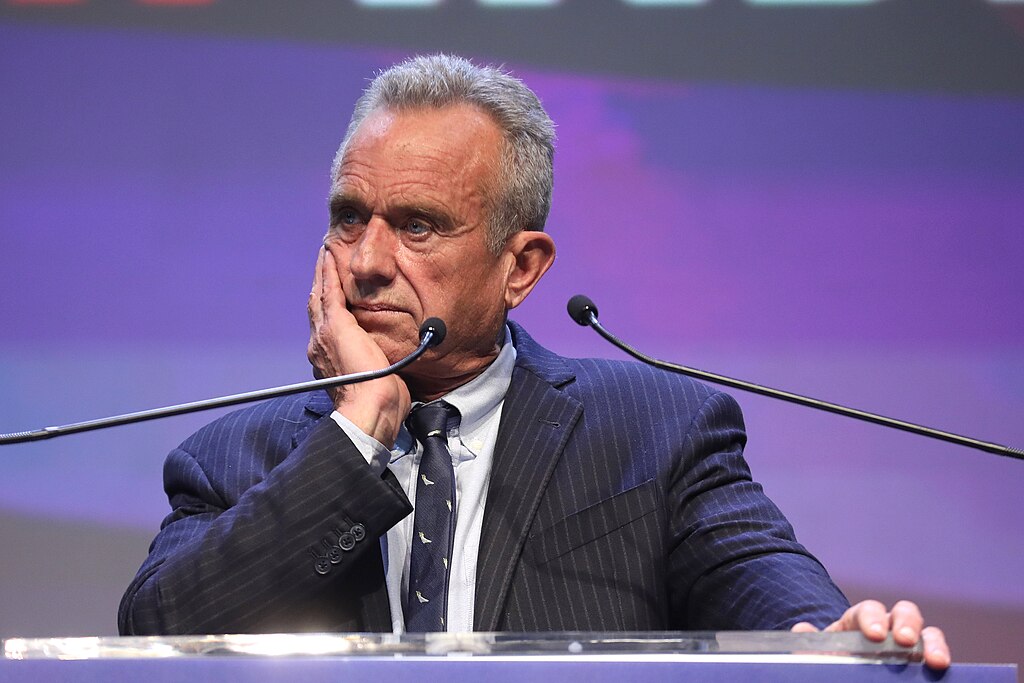
Robert F. Kennedy Jr. has announced the suspension of his campaign for the White House, urging his supporters to back former President Donald Trump in the upcoming election. The announcement, made during a press conference in Arizona on Friday, August 23, has sent ripples through the political landscape, particularly among those who viewed Kennedy as a potential disruptor in the 2024 race.
Kennedy, who had initially run as an independent after leaving the Democratic Party, stated that while his name will remain on the ballot in some states, he is withdrawing from key battlegrounds, including Arizona and Pennsylvania. He acknowledged the difficulty of continuing his campaign in the face of what he described as "relentless, systematic censorship and media control." Despite this, he encouraged his supporters to vote for him where possible, leaving open the possibility of a contingent election.
Kennedy’s decision to suspend his campaign was rooted in a realistic assessment of his chances. He admitted that he no longer believed he had a viable path to victory and could not, in good conscience, ask his staff and volunteers to continue their efforts without a clear chance of success. This admission marked a sobering moment for the 70-year-old candidate, who had entered the race with high hopes of challenging the status quo.
The most striking aspect of Kennedy's announcement was his endorsement of Donald Trump, a former rival who has remained a polarizing figure in American politics. Kennedy cited three principal causes that motivated him to enter the race, which also led him to leave the Democratic Party. These causes, he said, are now the driving force behind his decision to support Trump.
Kennedy revealed that Trump had approached him twice with proposals to join his administration, suggesting a "unity party" that would allow them to work together on issues of mutual concern while maintaining their differences on other matters. This concept, reminiscent of Abraham Lincoln’s "team of rivals," reflects Trump’s desire to bring Kennedy into the fold, despite their ideological differences.
The move has sparked mixed reactions among Kennedy’s supporters and the broader electorate. Some view it as a pragmatic decision in the face of mounting challenges, while others see it as a betrayal of the principles that Kennedy claimed to stand for. The endorsement also underscores the shifting dynamics of the 2024 election, as candidates and their supporters navigate a complex and volatile political environment.
Kennedy’s decision to suspend his campaign comes as a recent CBS poll recorded his support at just 2 percent, highlighting the uphill battle he faced in gaining traction. Meanwhile, Trump’s campaign has been buoyed by this unexpected endorsement, which could potentially consolidate support among voters who were previously undecided.
As the election season continues to unfold, the alliance between Kennedy and Trump adds a new layer of intrigue to an already unpredictable race. The political ramifications of this partnership will undoubtedly be closely watched as the campaign moves forward.







