India’s highway authority has issued design requirements for barrier-free tolling on roads with at least four lanes, creating a common framework for projects in development and construction.
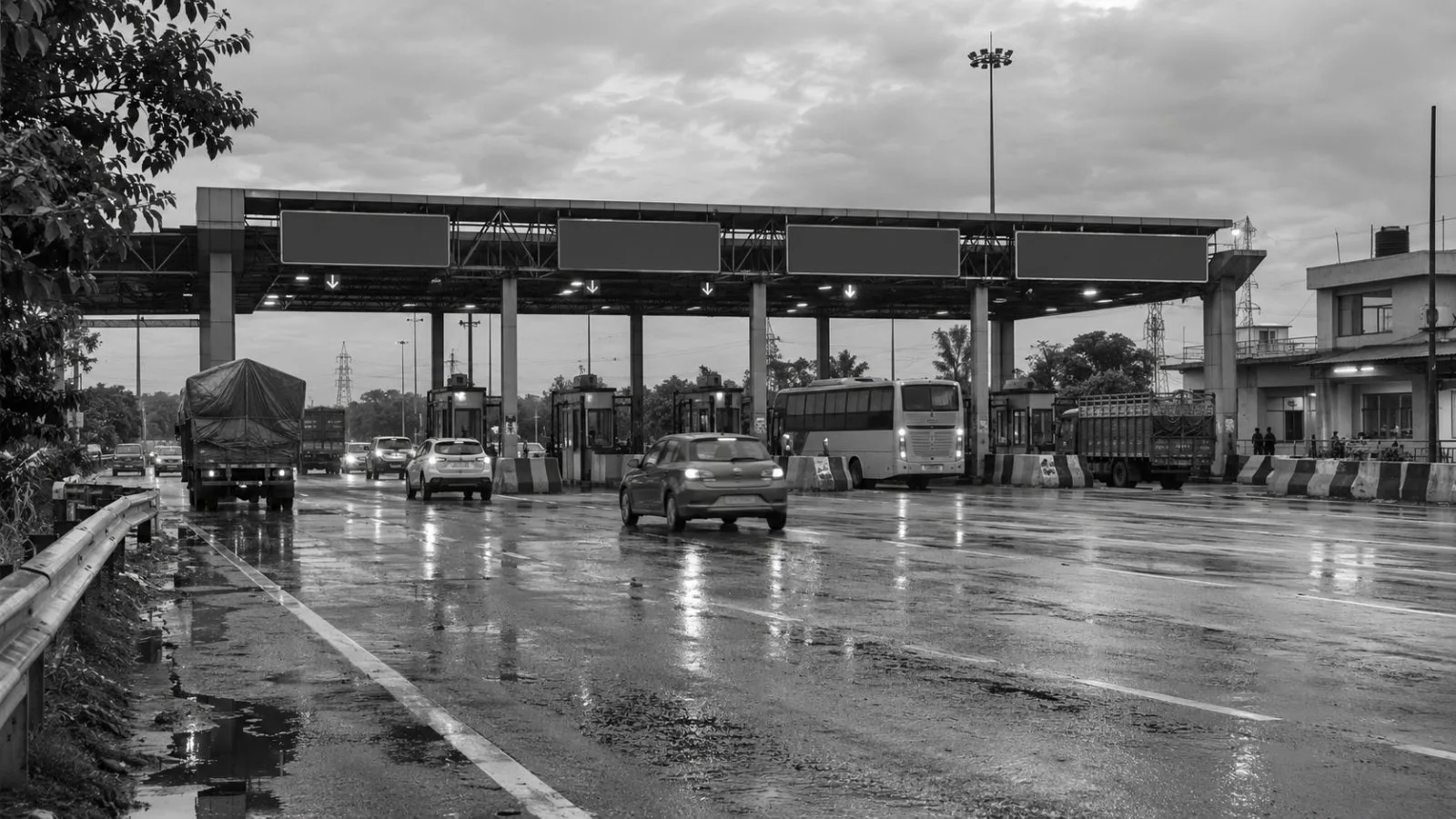
The National Highways Authority of India (NHAI) issued the policy circular on Oct. 30, 2026. The Ministry of Road Transport and Highways (MoRTH) announced the guidance Nov. 6. It concerns multi-lane free-flow (MLFF) tolling, in which vehicles pass through toll areas without stopping at a booth.
The rules give project teams a shared design basis for plazas on National Highways with four or more lanes. They address lane arrangements, overhead gantries, roadway infrastructure, lighting, signs and supporting facilities. Required features include signs before toll areas, electronic variable message signs, administrative facilities and an operations and maintenance center. NHAI says the guidelines rationalize toll lane counts compared with conventional plazas; the ministry’s announcement does not give the figures.
The requirements depend on a project’s stage. Plans being prepared for detailed project report (DPR) stage are to include the design in their documents. For work already awarded or under construction, changes are to be handled through the relevant contract provisions.
NHAI says the design is intended to reduce vehicle queues and delays, cut fuel use and improve safety. The ministry’s announcement provides no quantified estimates for those expected effects. It also gives no estimate of construction or adjustment costs and does not identify who would bear them.
The ministry says NHAI previously issued planning and design guidance for high-speed, access-controlled National Highways, excluding expressways, to improve consistency in project reports and support road safety.
The announcement covers projects still ahead or already under construction, but provides no schedule for converting toll plazas that are operating. For covered projects, the design is to enter project documents or be adopted through contract provisions, depending on their status.