India’s consumer inflation moved above the central bank’s ceiling in October, adding pressure to household budgets as a property-sector researcher warned that sustained price increases could make housing less affordable.
India’s Ministry of Statistics and Programme Implementation reported provisional Consumer Price Index inflation of 6.09% year over year in October, compared with a final 5.54% in September. The Reserve Bank of India (RBI) targets 4% inflation, with a tolerance band of 2% to 6% through March 31, 2031. October’s reading was 0.09 percentage point above the band’s upper limit.
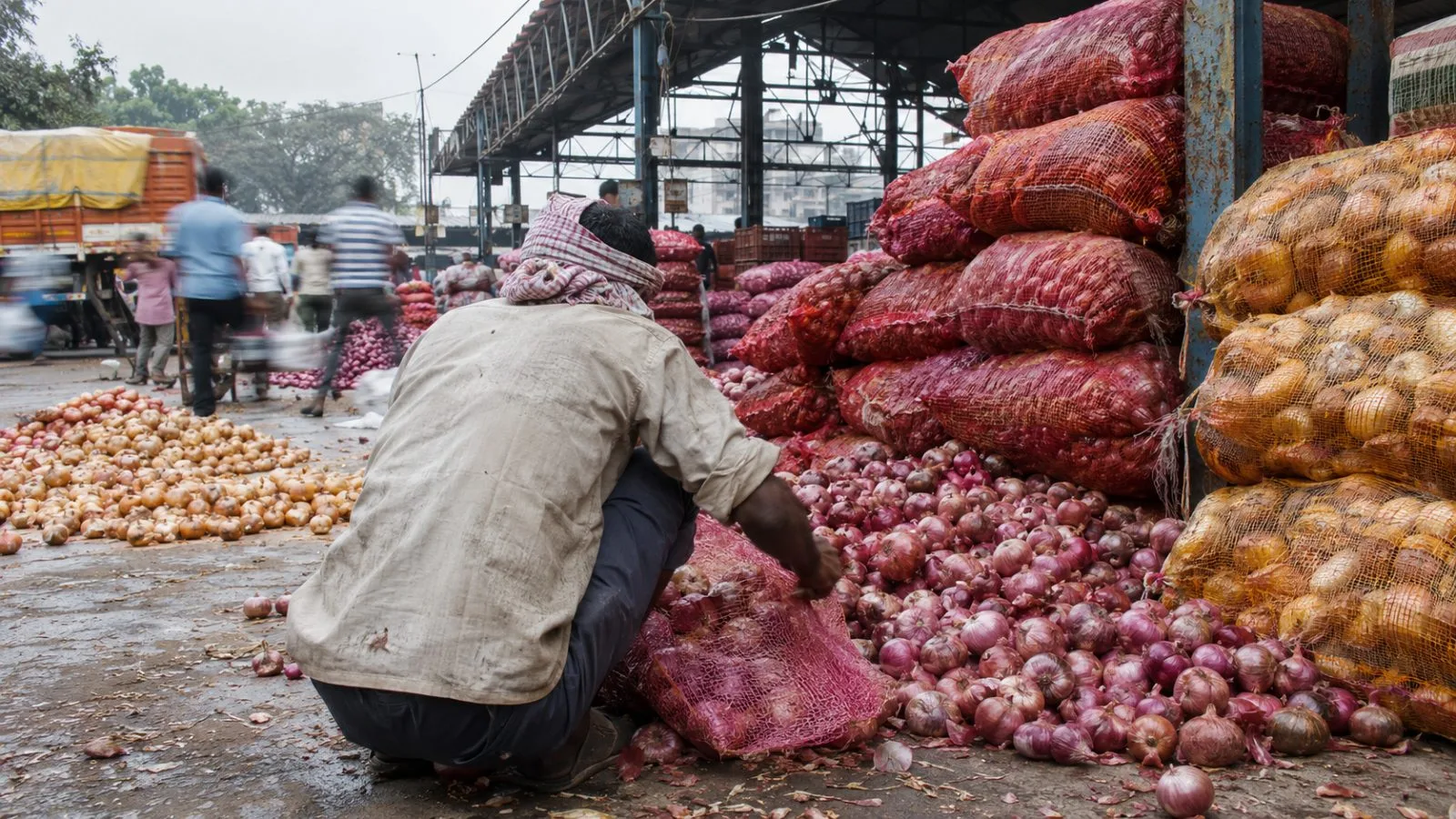
Food inflation, measured by the Consumer Food Price Index, rose to 8.94% from 7.74% in September. Onion inflation reached 116.22% year over year, while garlic inflation was 60.74%, the ministry reported.
Price increases varied by spending category. Inflation was 10.06% for restaurants and accommodation services and 10.14% for personal care, social protection and miscellaneous goods and services. The broader category covering housing, water, electricity, gas and other fuels rose 2.90%; it does not measure home prices or mortgage affordability.
Vivek Rathi, national director of research at Knight Frank India, said persistent price increases could leave households with less room for discretionary spending. He warned that affordable and lower-income housing segments could face greater pressure as households contend with higher living expenses and borrowing costs.
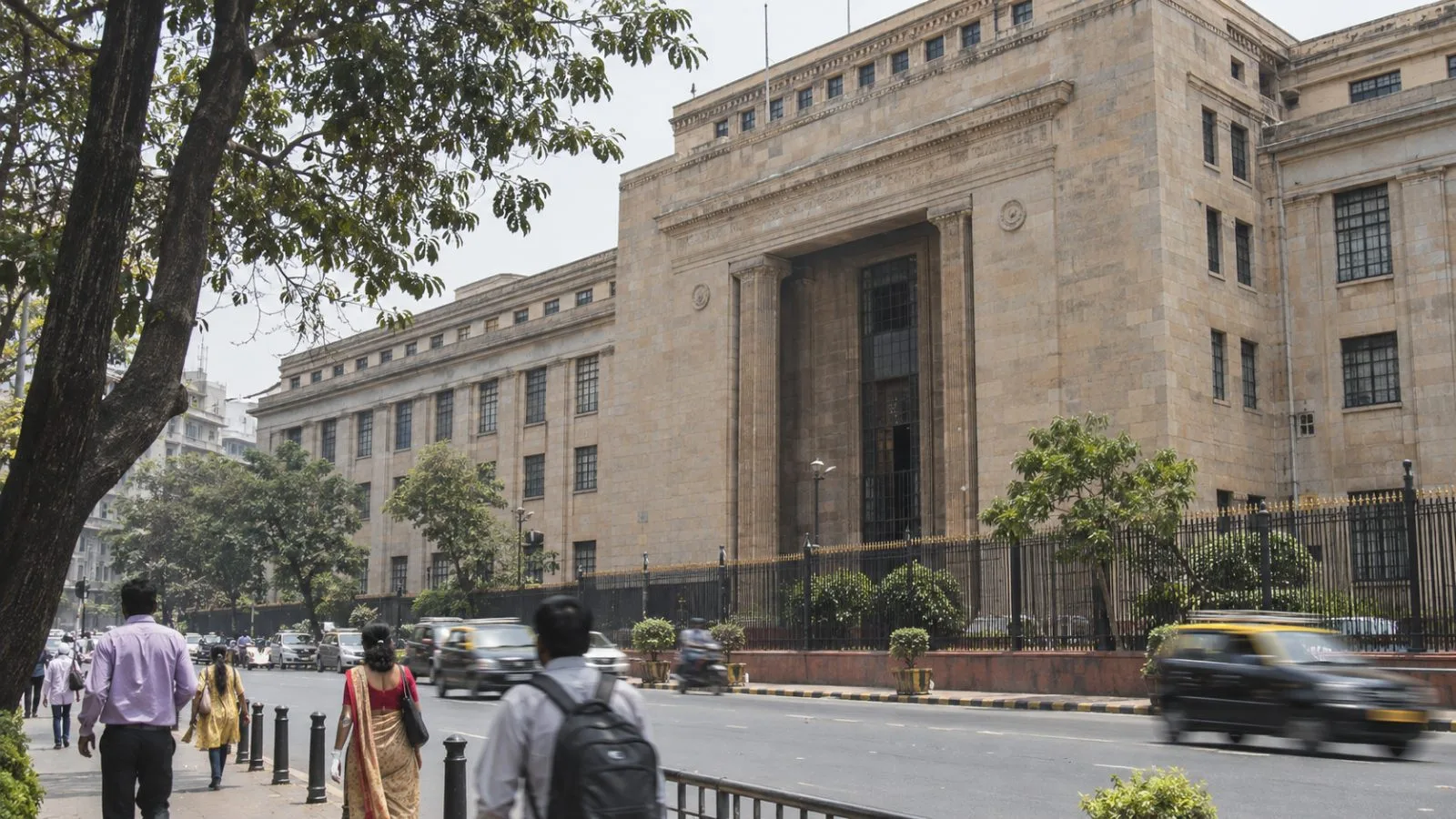
The RBI raised its policy repo rate by 25 basis points to 5.50% on Oct. 7 and adopted a “calibrated tightening” stance. In October, its Monetary Policy Committee said a future policy move could be either a rate increase or a pause.
The committee’s next meeting is scheduled for Dec. 2-4. The ministry plans to release November inflation data on Dec. 14, or the next working day if that date is a holiday.