Crisil Intelligence estimated that preparing a vegetarian meal at home in India cost 12% more in October than a year earlier, adding to household pressure amid an 8.94% food inflation rate.
India's National Statistics Office measured provisional annual food inflation at 8.94% for October, up from a final 7.74% in September. The provisional overall consumer inflation reading was 6.09%, against 5.54% the previous month. That exceeded the 6% upper limit of the tolerance band set by the Reserve Bank of India, the country's central bank.
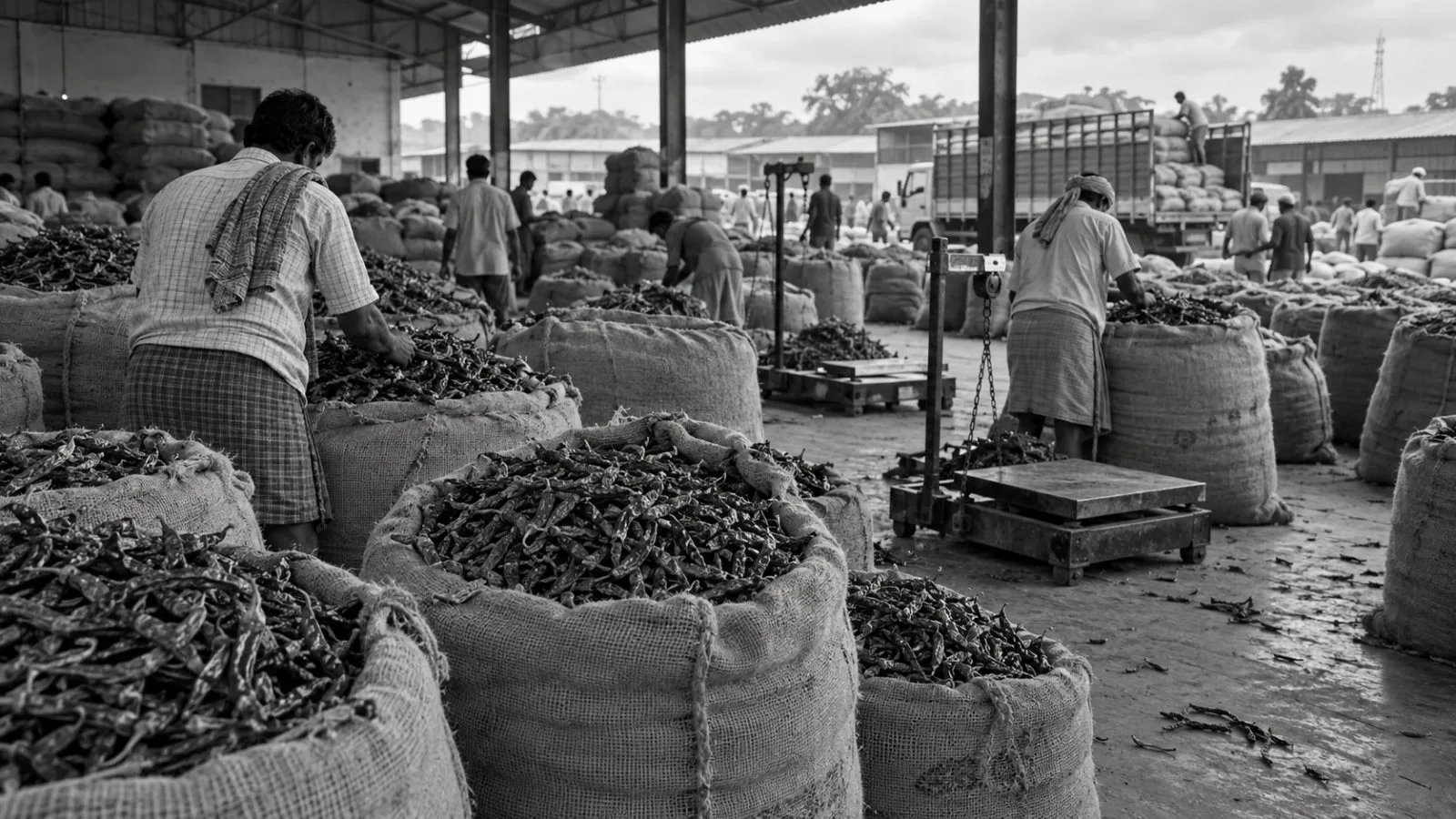
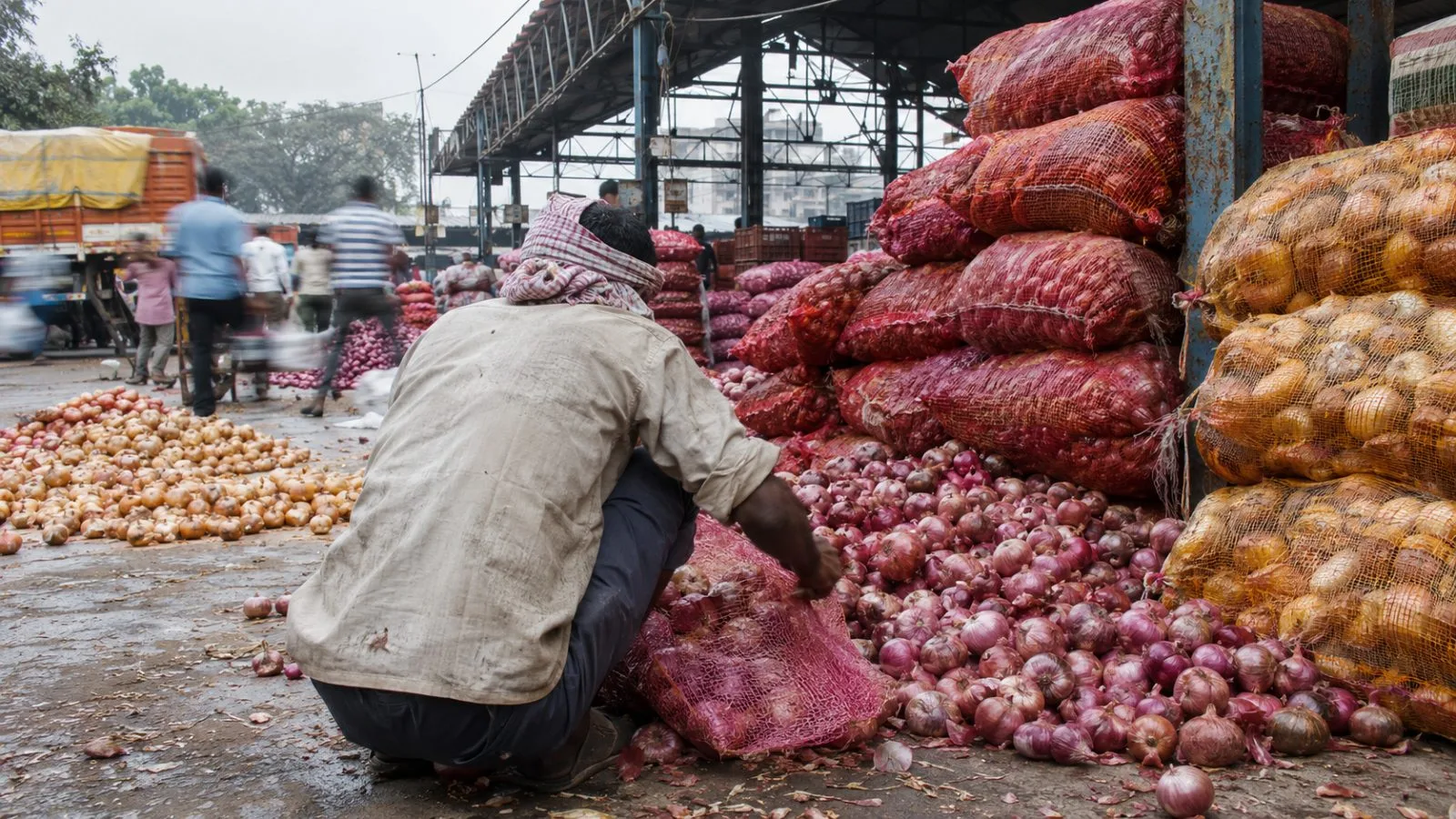
Crisil's Nov. 16 estimate also put the increase for a non-vegetarian thali at 9%. The firm cited depleted onion stocks and delayed crop arrivals among the factors raising meal costs.
The onion component of India's national price index climbed 116.22% from a year earlier. The garlic and ginger components rose 60.74% and 48.32%, respectively. Those figures measure changes in the index, not the price of an individual purchase.
The Straits Times reported that Vinod Paswan, an omelette seller in Noida, said rising costs left him less to save.
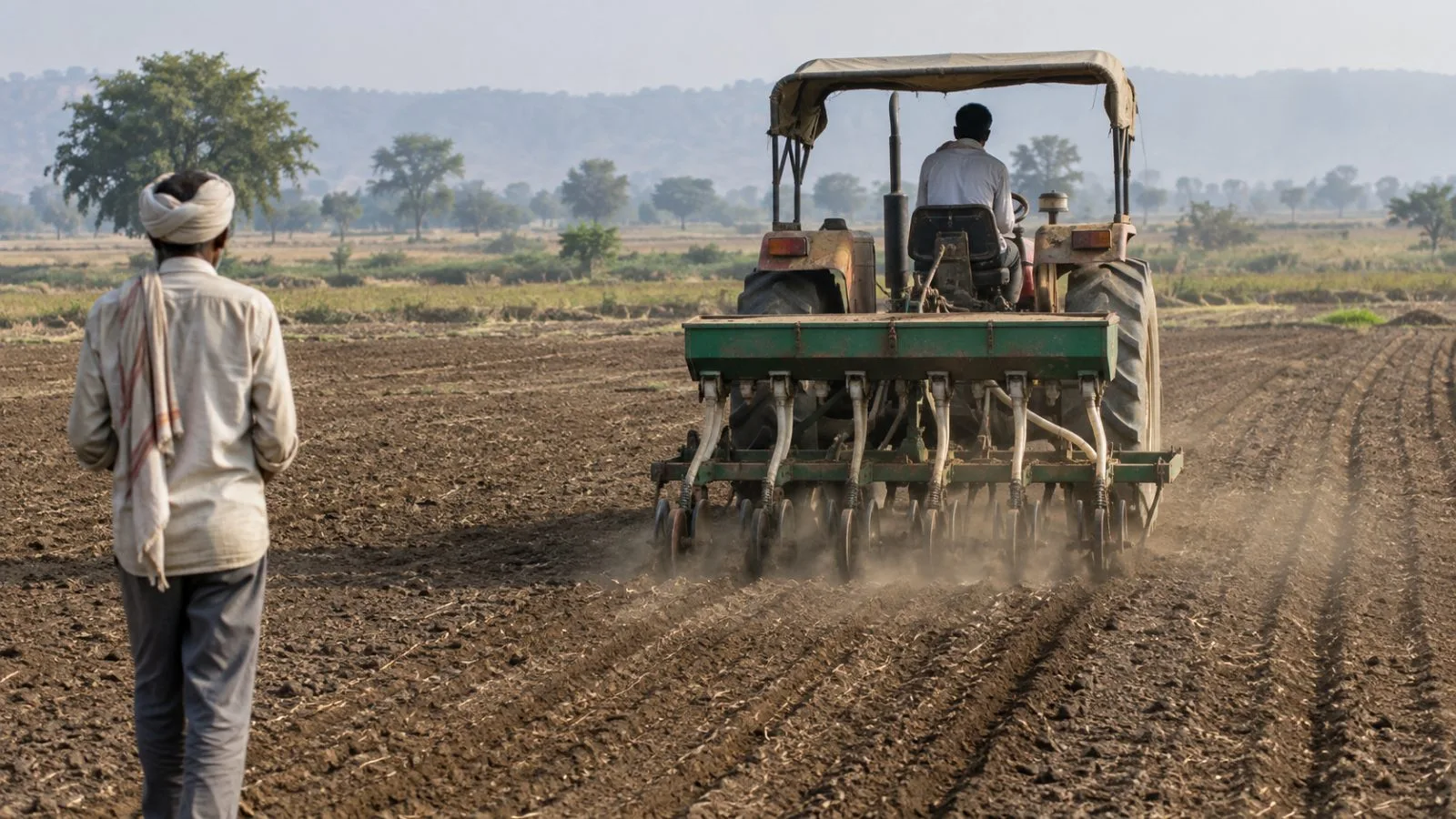
Separately, the India Meteorological Department recorded 759.4 millimeters of rain during the June-September monsoon, 12.6% below its long-period average. The inflation release does not quantify how much the rainfall shortfall contributed to October's price increases.
Oil marketers sought quantity bids for ethanol made from maize under a tender with an Oct. 29 deadline. It covered supplies from Nov. 1, 2026, through Oct. 31, 2027, and excluded ethanol made from sugarcane juice, sugar, sugar syrup and B-heavy molasses while allowing C-heavy molasses. The tender does not establish that supplies were accepted, and the inflation data do not quantify any effect from ethanol demand.
The central bank's inflation target is 4%, with a 2%-6% tolerance band for April 2026 through March 2031. One monthly reading above 6% does not meet the framework's failure test, which requires quarterly average inflation to breach a tolerance limit in each of three consecutive quarters.
India's Cabinet approved subsidy rates for phosphatic and potassic fertilizers for the Oct. 1, 2026, through March 31, 2027, rabi season. It described the 62,370.02-crore-rupee budget requirement as tentative, compared with 37,952.29 crore rupees for the previous rabi season. The statistics ministry has scheduled its November consumer price release for Dec. 14, or the next working day if that date is a holiday.