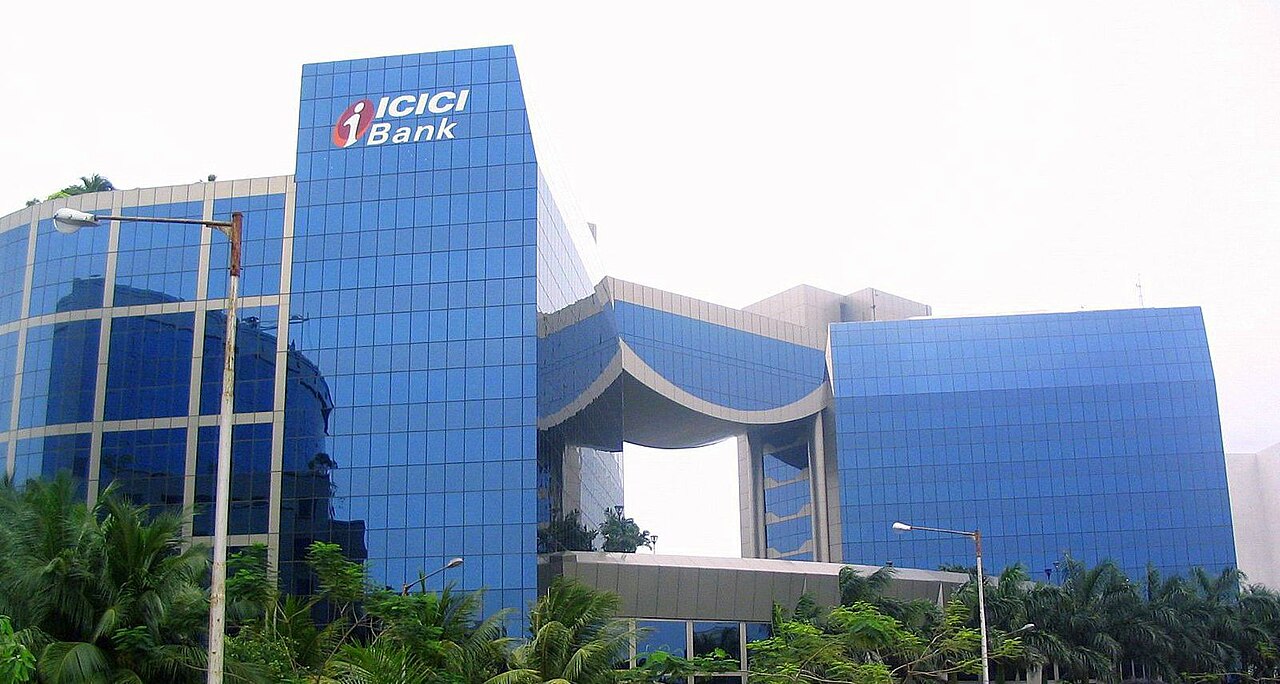
Indian refiners have begun settling payments for rare shipments of Iranian crude oil using Chinese yuan, leveraging Mumbai-based ICICI Bank as an intermediary, according to sources familiar with the transactions. This development follows a temporary 30-day U.S. sanctions waiver that allowed limited purchases of Iranian and Russian oil to stabilize global energy prices amid geopolitical tensions.
The waiver, introduced by Washington in response to rising oil prices linked to the U.S.-Israel conflict with Iran, is set to expire soon, with U.S. officials confirming it will not be extended. As a result, refiners are navigating complex payment mechanisms to complete transactions before restrictions tighten again. Longstanding sanctions on Iran have made financial settlements particularly challenging, discouraging some potential buyers despite the short-term exemption.
Indian Oil Corp (IOC), the country’s largest state-owned refiner, recently acquired approximately 2 million barrels of Iranian crude—its first such purchase in seven years. The cargo, valued at around $200 million, was transported aboard the very large crude carrier Jaya. Additionally, private refiner Reliance Industries has received multiple shipments, including one delivered by the tanker MT Felicity.
Payments for these cargoes are being processed through ICICI Bank, which routes funds in yuan via its Shanghai branch to accounts held by sellers. This method mirrors previous transactions involving Russian oil, where Indian refiners also utilized the Chinese currency to bypass dollar-based restrictions.
Notably, IOC reportedly paid nearly 95% of the shipment’s value upon the vessel’s notice of readiness, an uncommon practice compared to typical payment upon delivery. While this workaround facilitates trade under sanctions, sources indicate IOC does not plan further Iranian oil purchases once the waiver expires.
India had largely avoided Iranian crude imports since 2019 due to U.S. sanctions, leaving Chinese “teapot” refiners as the primary buyers. This brief resurgence highlights shifting global oil trade dynamics and the growing role of alternative currencies like the yuan in international energy transactions.