Indonesia’s Energy and Mineral Resources Minister Bahlil Lahadalia said a reduction in piped gas exports to Singapore remained within contractual limits, while Singapore’s energy ministry said its gas importer would assess whether the cuts breached supply agreements. Bahlil said the reduction was 31 million standard cubic feet per day (MMSCFD), about 8% of pipeline exports totaling 409.55 MMSCFD, according to Metro TV and The Straits Times. (Metro TV; The Straits Times)
“Do not lecture Indonesia about its commitment to honouring and respecting contracts,” Bahlil said, in the English wording published by The Straits Times. He said a 10% cut would breach the contract. (The Straits Times)
Indonesia’s Upstream Oil and Gas Special Task Force, SKK Migas, announced a reduction of 31 billion British thermal units per day (BBTUD) from Oct. 24, split between Natuna, at 15 BBTUD, and Sumatra, at 16 BBTUD, according to ANTARA, which quoted SKK Migas chief Djoko Siswanto. Singapore’s Ministry of Energy, Trade and Industry said information from importers put the reduction at 17 BBTUD over 18 days. The sources do not explain the difference between the announced figure and Singapore’s estimate. (ANTARA; Singapore Ministry of Energy, Trade and Industry)
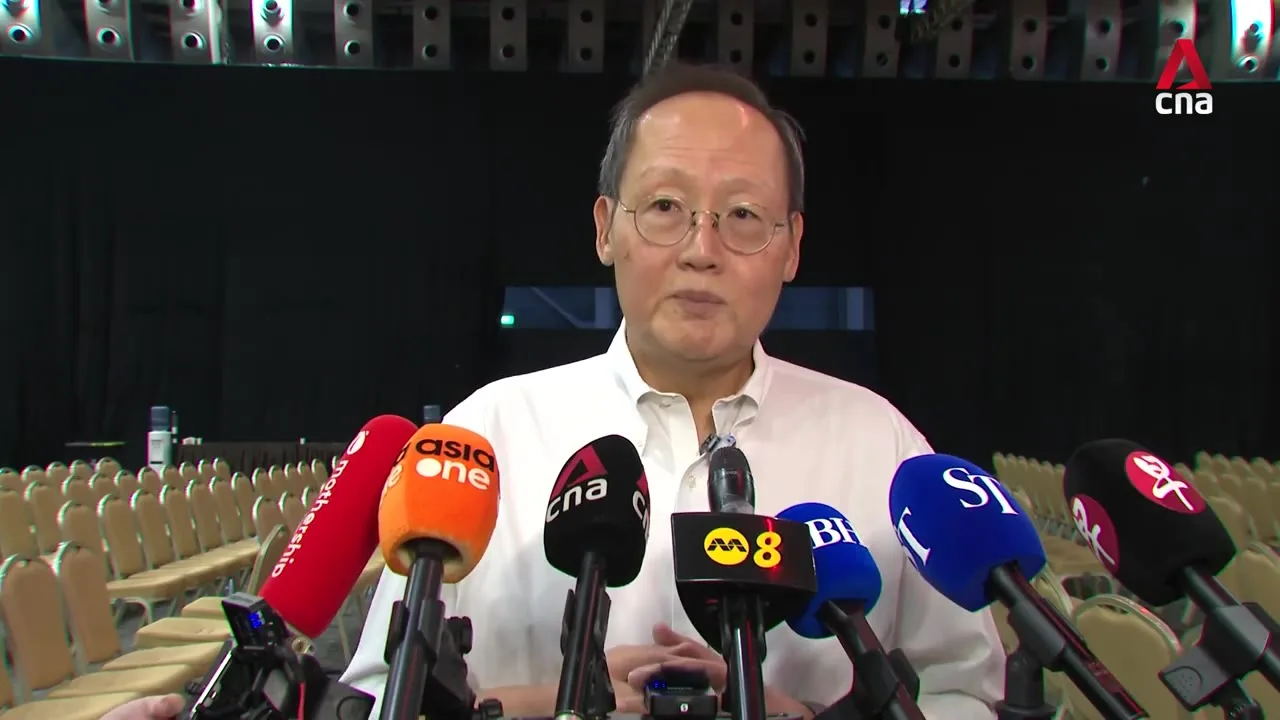
Singapore Energy Minister Tan See Leng said the country’s gas supplies are covered by commercial contracts between GSPL and Indonesian suppliers. He said GSPL would engage its suppliers to determine whether there had been a breach and pursue commercial remedies if necessary. Tan said Singapore had sufficient gas, including replacement supplies from other sources such as LNG. (METI)
Bahlil said the cut was made to meet domestic energy needs. Gas Supply told The Straits Times that temporary reductions from its Indonesian supplier had affected deliveries to customers, but the report gave no figure for the number of customers affected. (Metro TV; The Straits Times)
Tan said Singapore had managed similar supply reductions in the past without incident. In a separate Oct. 26 speech, he warned that resource nationalism undermining established contracts could increase business risks and deter investment in the energy sector. (METI, Oct. 25 remarks; METI, Oct. 26 speech)