Intel unveiled an extensive investment strategy totaling US$100 billion spread across four states in the U.S. The tech giant aims to construct and enhance factories after acquiring US$19.5 billion in federal grants and loans. Additionally, Intel is eyeing an extra US$25 billion in tax incentives to fuel its growth.
The Vision for Columbus, Ohio
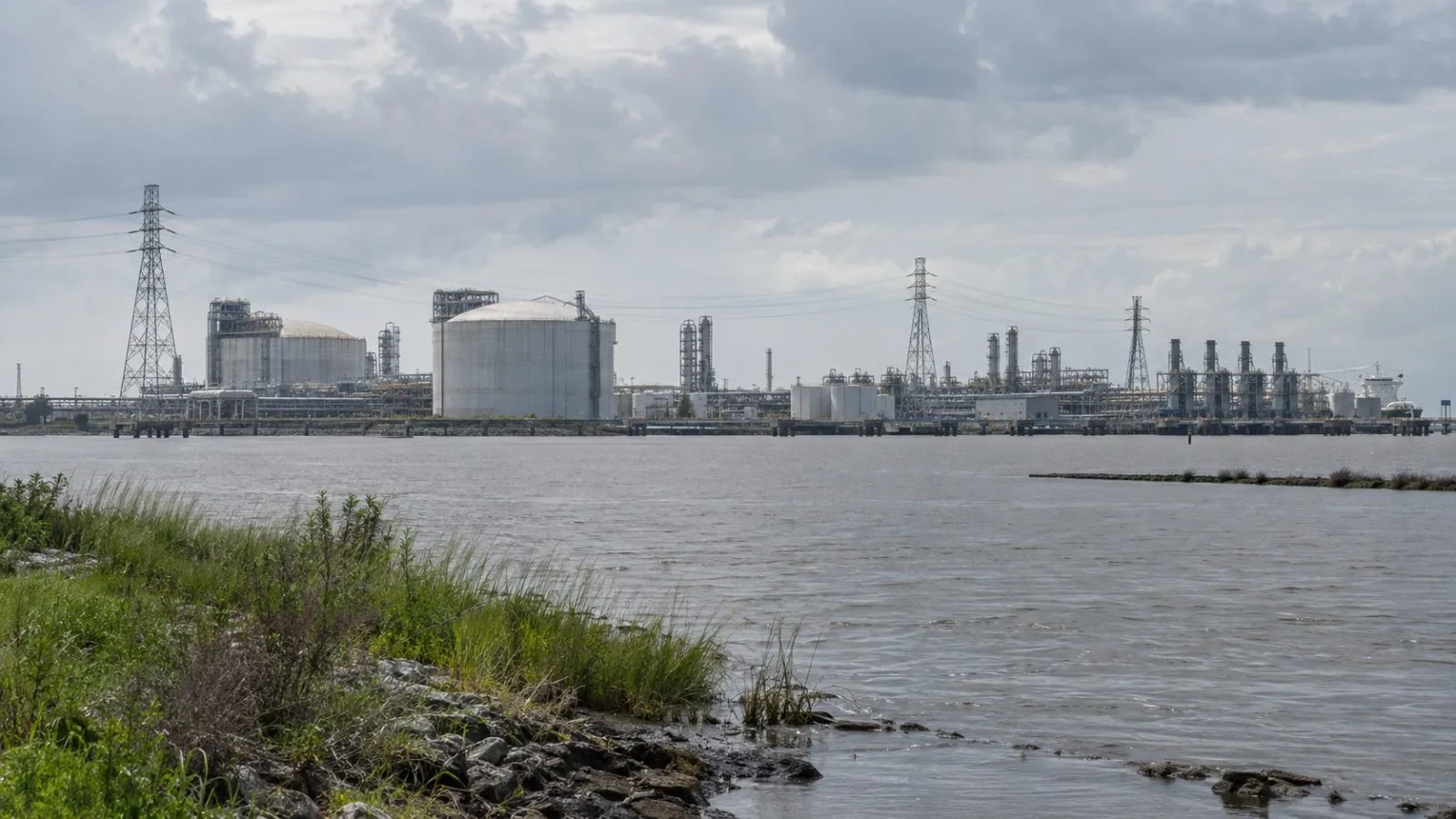
CNA reported that at the heart of Intel's five-year initiative lies the transformation of vacant lands near Columbus, Ohio. CEO Pat Gelsinger envisions this location as the future home of "the largest AI chip manufacturing facility globally," with operations anticipated to commence by 2027.
Federal Support and Market Response
Under the CHIPS Act, the U.S. government's allocation of federal funds to Intel triggered a 4% surge in its premarket trading shares. This financial backing sets the stage for Intel's rejuvenation and expansion efforts across multiple states.
Intel's strategic blueprint, as per Reuters, involves modernizing facilities in New Mexico and Oregon while expanding operations in Arizona. This move aligns with the broader industry trend as Taiwan Semiconductor Manufacturing Co. established a significant Arizona plant.
President Joe Biden's push for advanced semiconductor manufacturing within the U.S. has fueled Intel's resurgence plans. The financial provisions under Biden's initiative mark a pivotal step for Intel to enhance its market standing and operational capacities.
In 2021, Gelsinger outlined a bold strategy to reclaim Intel's top position in the industry. However, achieving profitability in this endeavor necessitates substantial government backing, a critical component for Intel's future success.
Investment Allocation and Operational Milestones
Around 30% of the US$100 billion allocation will be directed toward construction expenses, encompassing labor, infrastructure, and materials. The remaining budget will be allocated to procuring cutting-edge chipmaking tools from prominent industry suppliers.
Gelsinger anticipates the Ohio facility's operational by 2027 or 2028, depending on market conditions. Despite the meticulous planning, timeline adjustments in response to the dynamic chip market landscape remain possible.
Sustainable Growth through Strategic Investments
Intel plans to utilize existing cash flows for acquisitions, emphasizing sustainable growth. The strategic purchase of chipmaking tools from leading suppliers will bolster Intel's competitive edge and propel its trajectory toward technological advancement and market leadership.
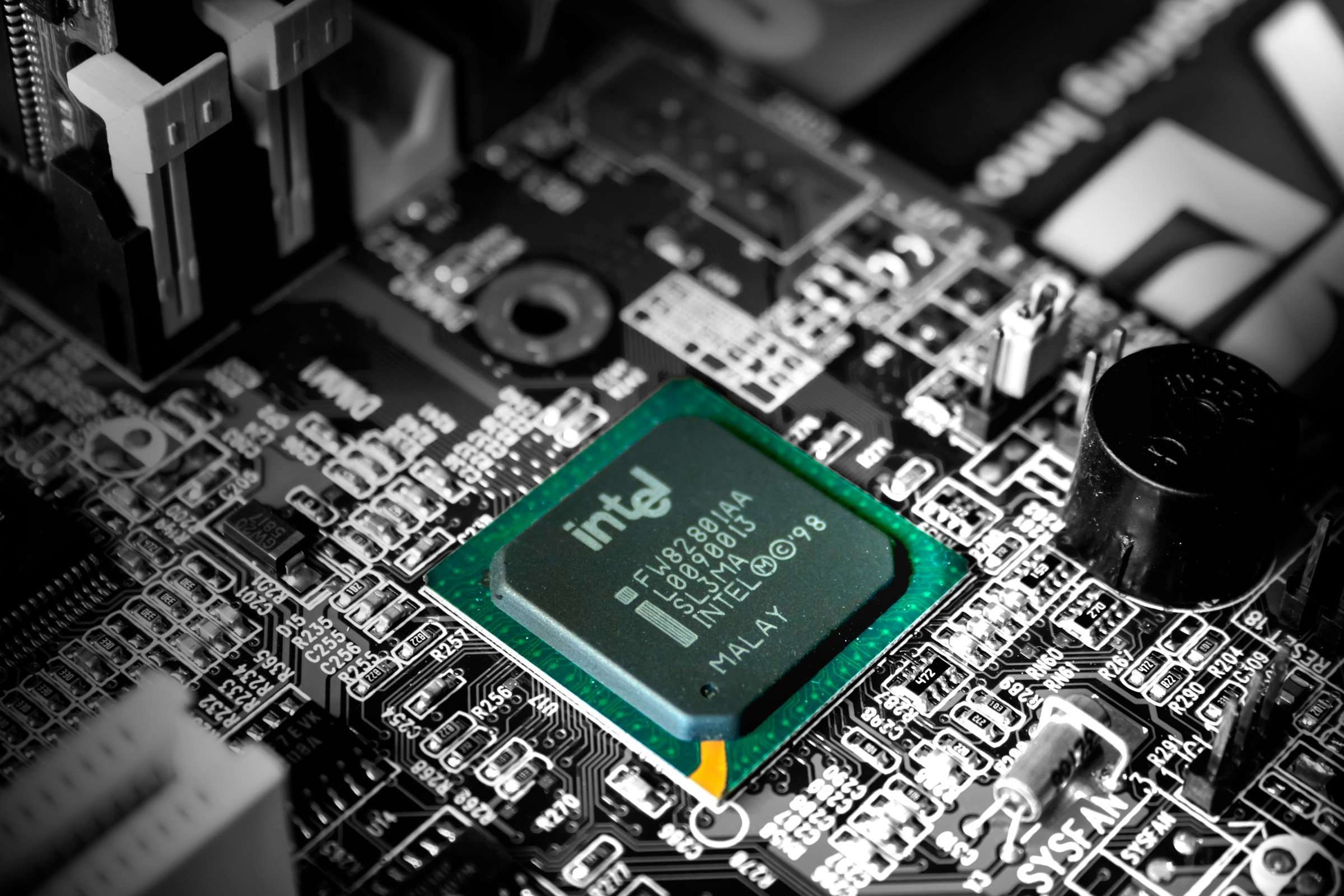
Photo: Slejven Djurakovic/Unsplash