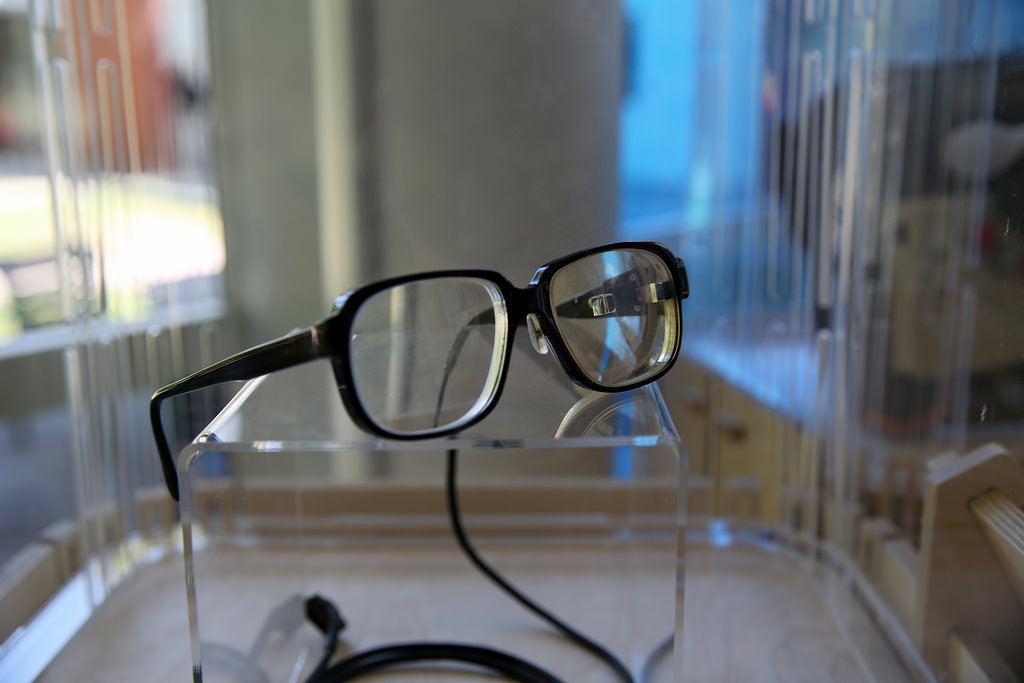
Smart glasses are usually easy to spot because they come with obvious signs of tech additions such as a camera. Intel’s new smart glasses called Vaunt have none of the obvious features associated with the wearables, however, and it looks downright normal. What really makes this particular item noteworthy is that it uses lasers to project images directly into the users’ eyes.
As The Verge notes, Vaunt is quite different from other smartglasses because it doesn’t have the telltale features. These include the absence of the camera, which can be a source of discomfort for some people, and the lack of any buttons to push.
With this being the case, Intel’s glasses look normal when seen from the outside. Once worn, however, users are treated to a show of lights and images. This makes it more tolerable for those who might feel that other smartglasses can be quite intrusive.
What’s more, Intel’s intent behind the glasses isn’t to force a change in people’s lives. Rather, it’s meant to adapt to the lives of the people wearing them. This is what Intel’s New Devices Group (NDG) head of product, Itai Vonshak told the publication.
“When we look at what types of new devices are out there, [we are] really excited about head-worn [products],” Vonshak said. “Head-worn products are hard because people assign a lot of attributes to putting something on their head. It means something about their personality
“We wanted to make sure somebody puts this on and gets value without any of the negative impact of technology on their head. Everything from the ground up is designed to make the technology disappear.”
The company is set to allow other developers to give their smart glasses a spin later in the year, PC Mag reports. Eventually, Intel hopes to produce multiple designs of the Vaunt to provide customers a lot of options in terms of style.