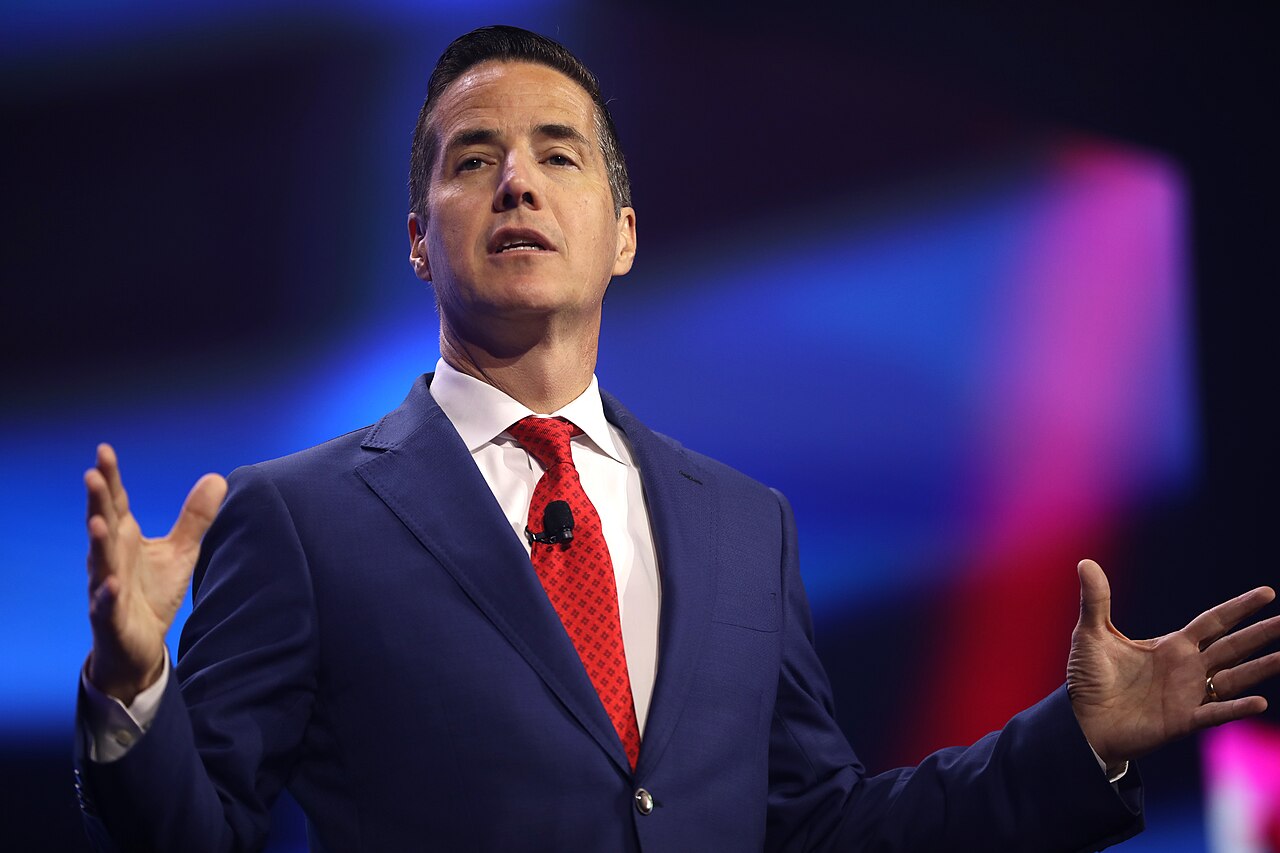
Republican Senator Bernie Moreno announced plans to introduce legislation next month that would permanently and comprehensively ban Chinese automakers from the U.S. automotive market. The proposed bill would expand on an existing regulation signed by the Biden administration in January 2025, which already prohibits Chinese passenger vehicles from being sold in America due to national security concerns — particularly around data collection capabilities embedded in modern vehicles.
Moreno made the announcement at an Automotive Forum event held ahead of the New York Auto Show, signaling that the new legislation would go well beyond restricting vehicle imports. It would block Chinese involvement at every level, including hardware, software, and any form of business partnerships. The senator also called on other major markets — including Canada, Mexico, Latin America, and Europe — to adopt similar protective standards.
Drawing a parallel to the U.S. ban on Chinese telecom giant Huawei, Moreno emphasized that allowing Chinese automakers access to American infrastructure would pose comparable risks. His remarks reflect growing bipartisan concern over the national security implications of connected vehicle technology originating from adversarial nations.
The proposed legislation has the backing of major American auto industry groups, who recently urged the Trump administration to maintain the existing ban ahead of a planned presidential summit with Chinese President Xi Jinping in May. While President Trump has expressed openness to Chinese automakers manufacturing vehicles on U.S. soil and creating American jobs, the broader political climate remains cautious about deeper economic ties with China.
This legislative push comes as U.S.-China relations navigate a delicate balance following a turbulent period marked by sweeping tariffs and China's restrictions on rare earth exports. The outcome of the May summit is expected to shape the future direction of trade and automotive policy between the world's two largest economies.