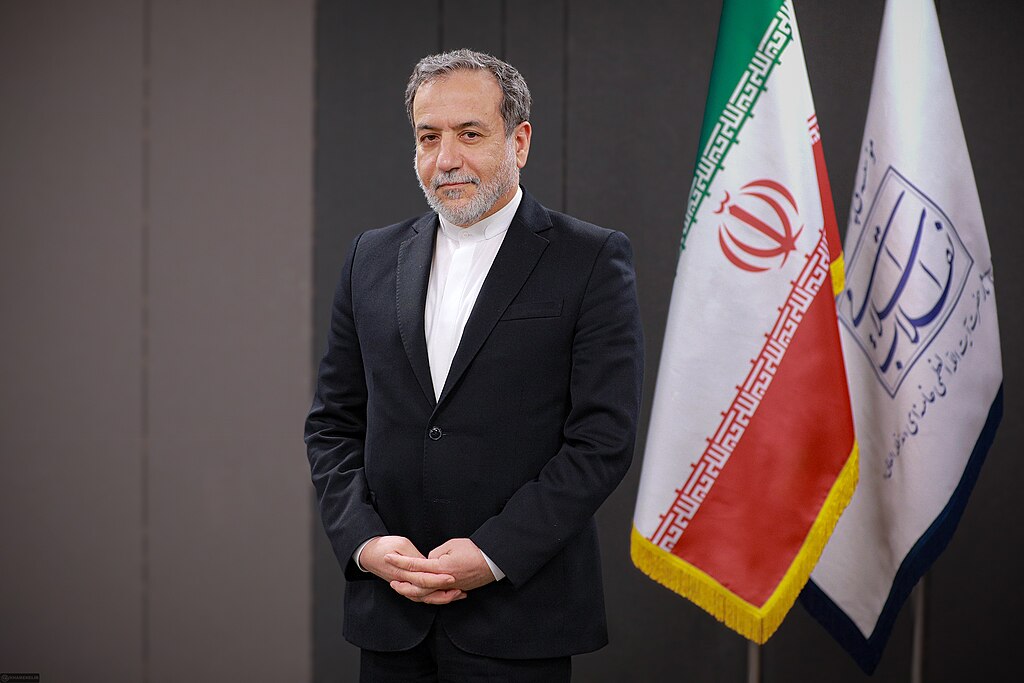
Iran’s Foreign Minister Abbas Araqchi has sharply criticized the United States over what he described as a blockade of Iranian ports, calling the move an “act of war” and a direct violation of an existing ceasefire agreement. The statement, shared on social media platform X, highlights rising geopolitical tensions and underscores Iran’s stance on defending its economic and national interests amid ongoing international pressure.
Araqchi emphasized that restricting access to Iranian ports disrupts vital trade routes and undermines diplomatic efforts aimed at maintaining stability in the region. He argued that such actions contradict the principles of a ceasefire, which are intended to reduce hostilities rather than escalate them. The foreign minister’s remarks reflect Iran’s growing frustration with U.S. policies, particularly those affecting its maritime operations and economic activity.
In his statement, Araqchi asserted that Iran possesses the capability to counter these restrictions and protect its sovereignty. He noted that the country has experience in navigating sanctions and external pressures, signaling that Tehran will continue to resist what it perceives as coercive measures. His comments also reinforce Iran’s broader message of resilience and self-reliance in the face of international challenges.
The situation has drawn attention from global observers, as any escalation involving key shipping routes and port access could have wider implications for international trade and regional security. Analysts suggest that disputes over port access and maritime restrictions often serve as flashpoints in geopolitical conflicts, particularly in strategically important areas.
As tensions between Iran and the United States persist, the latest exchange of statements adds another layer of complexity to an already fragile diplomatic landscape. The international community continues to monitor developments closely, with concerns that further actions could strain ceasefire agreements and impact global economic stability.