An understanding between Iran and Oman could pave the way for reopening the Strait of Hormuz, although any immediate resumption of shipping remains unlikely, an Iranian source told Tasnim news agency.
The source said the arrangement would bring Tehran closer to asserting sovereignty over the strategic waterway. However, Iran maintains that reopening the Strait of Hormuz depends on Washington accepting its conditions.
Iran and Gulf states are scheduled to meet in Oman on Monday to discuss the strait’s future. Iran’s Foreign Ministry described the talks as an important step toward Gulf stability. Spokesman Esmaeil Baghaei also stressed that Iran’s wartime attacks were directed at U.S. military bases, not the countries hosting them.
A senior Iranian official separately told Reuters that the Oman-led meeting was unlikely to produce a formal agreement. Tehran wants its authority over Hormuz officially recognized, including the ability to impose transit fees on vessels, a demand opposed by Washington. Bahrain has refused to participate until diplomatic relations with Iran are restored.
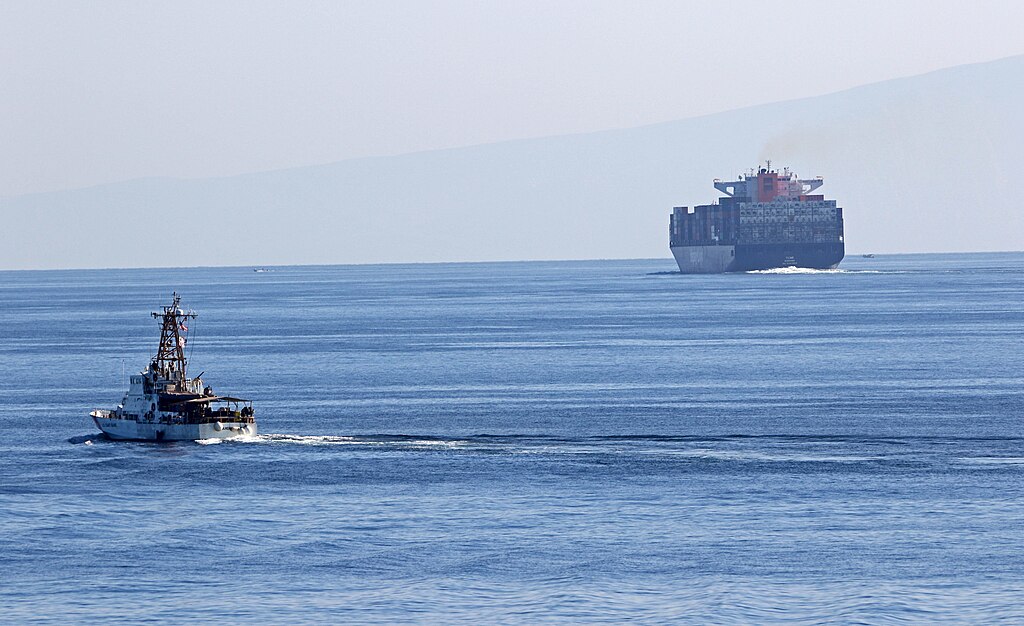
Tensions around major Middle East shipping routes remain elevated. U.S. Central Command said its blockade of Hormuz, reinstated July 14 after the collapse of a U.S.-Iran transit memorandum, has diverted 100 vessels attempting to access Iranian ports. An earlier blockade between April 13 and June 18 diverted about 140 ships.
Meanwhile, Iran-aligned Houthi forces have strengthened their position along Yemen’s Red Sea coastline and the Bab el-Mandeb Strait. Saudi-backed Yemeni forces reported attacks against Houthi fighters near Mocha, while Saudi Crown Prince Mohammed bin Salman sought U.S. military assistance. President Donald Trump offered intelligence support but ruled out direct intervention.
Regional energy security also faces pressure after a drone strike hit Saudi Arabia’s East-West pipeline. The route carries 4 million to 5 million barrels of oil per day to the Red Sea, providing a crucial alternative to Hormuz.
Iraq subsequently closed three border crossings with Iran and launched an investigation after Saudi Arabia and Baghdad said the drone attack originated from Iraqi territory.
Trump said he expects the broader conflict to end shortly after the U.S. midterm elections, while accusing Iran of delaying negotiations to complicate the vote.