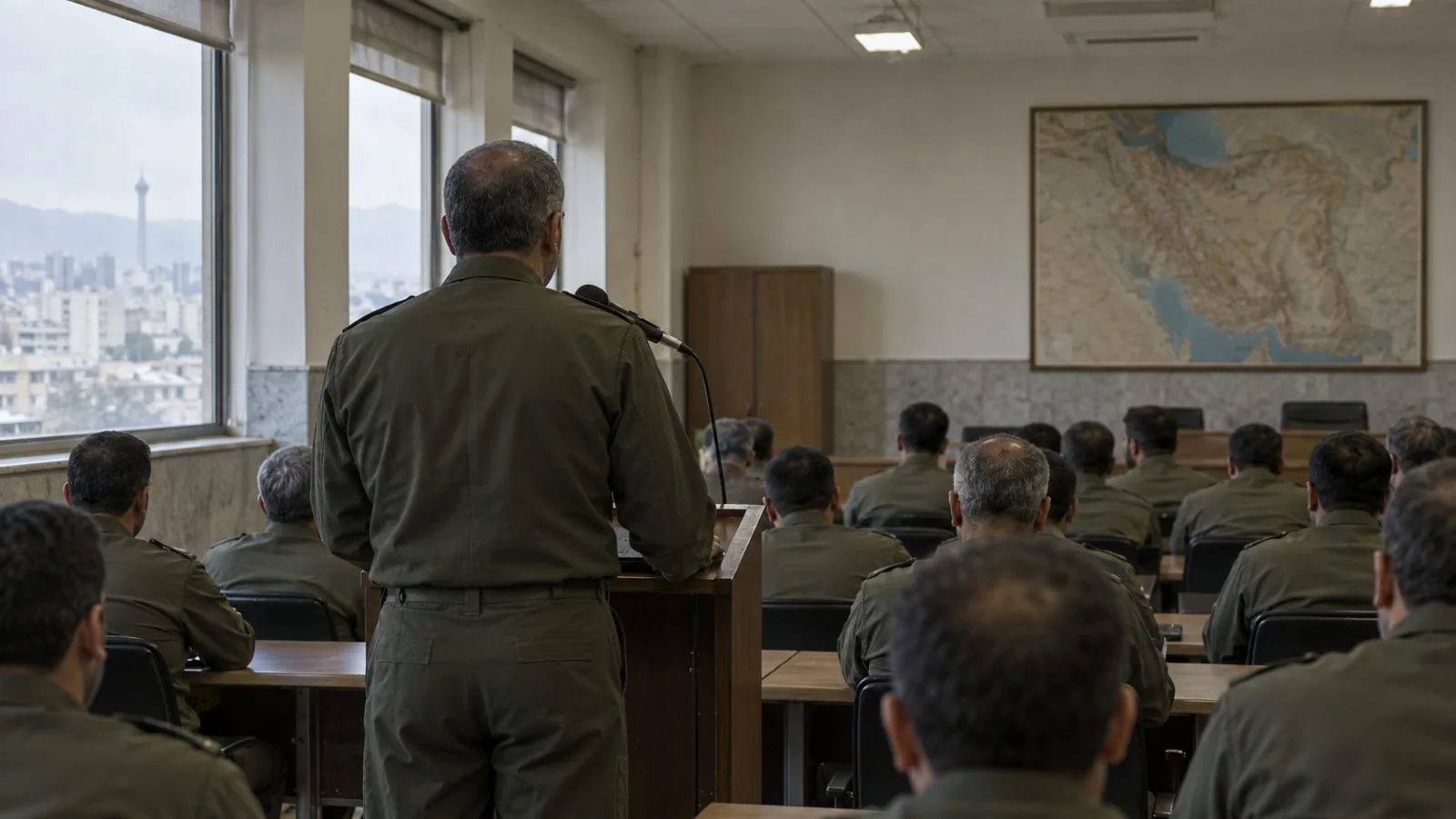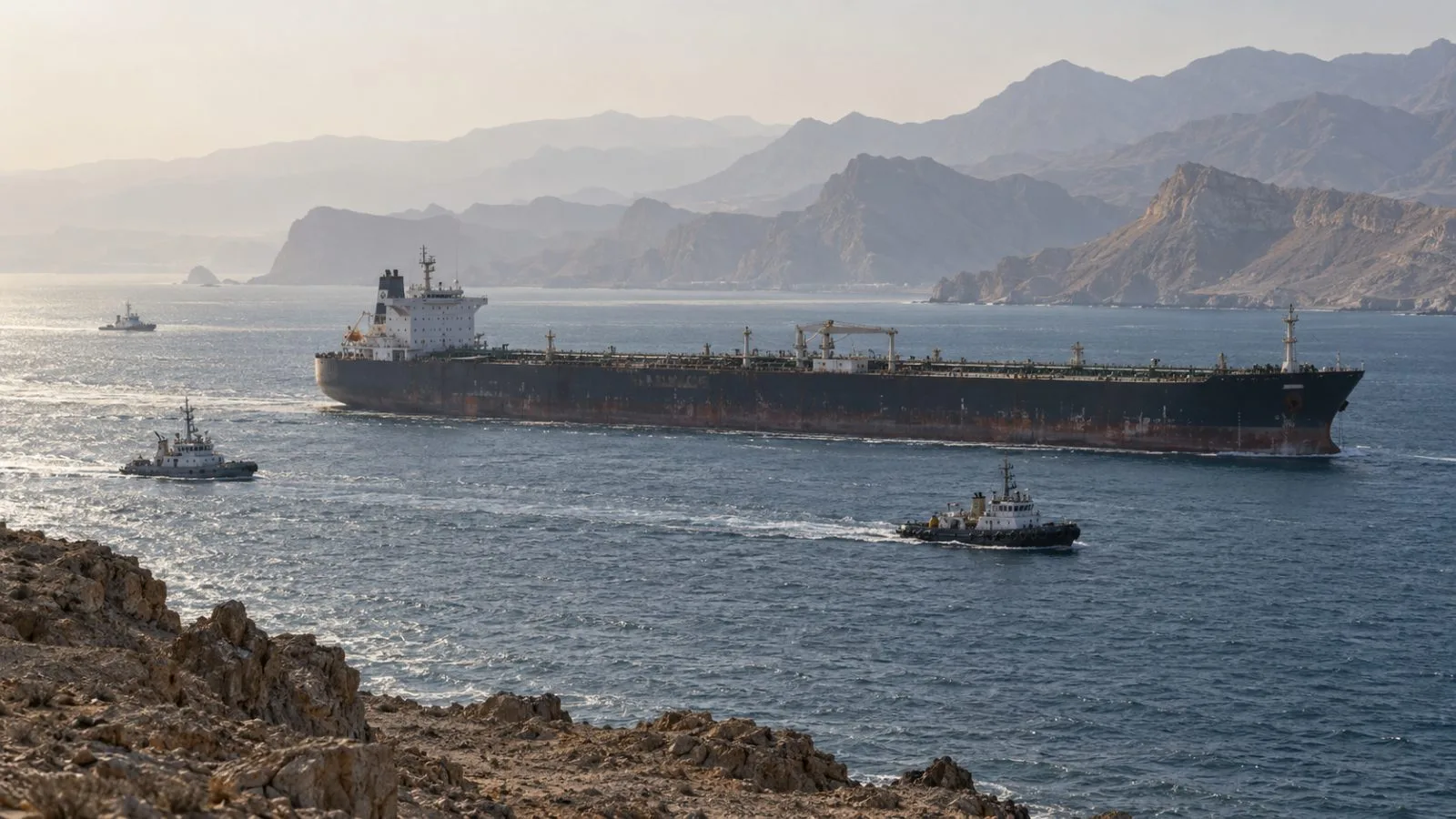
Iranian Foreign Minister Abbas Araghchi said Tehran’s proposal to reopen the Strait of Hormuz could be implemented in two days if Washington meets its conditions, leaving a major oil route’s future tied to ongoing diplomacy.
Araghchi said Qatar had initially proposed a five-day period, while the version now under discussion would take two days. He described the change in an Oct. 31 interview with Al Jazeera. The proposal remains under discussion, with no U.S. acceptance or agreement reported; he did not say what would start the two-day period.
Al Jazeera reported that an Iranian delegation had traveled to Doha, where Qatari and Pakistani mediators were discussing Tehran’s terms. Araghchi said Iran seeks the removal of sanctions imposed after the Islamabad memorandum and a reduction in U.S. forces in the region. He also called for oil waivers to be restored and frozen Iranian funds, including money held in Qatar, to be released. In the interview, he said Iran wants shipping routes discussed with Oman recognized and other routes closed.
In September, Araghchi outlined a seven-day sequence that would begin after Washington accepted it, reopen the strait on the sixth day and start nuclear talks the next day. President Donald Trump rejected that proposal on Sept. 26.
The U.S. Energy Information Administration (EIA) put average Hormuz oil traffic at 4.9 million barrels per day for April through June 2026, versus 21.6 million barrels per day in October through December 2025, before the conflict. The second-quarter estimate covers data through June. EIA said 89% of crude and condensate that crossed the strait in January-June 2025 was bound for Asia. China, India, Japan and South Korea together accounted for 74% of those flows.
Al Jazeera reported on Nov. 1 that mediation was continuing. Araghchi said no immediate meeting with U.S. officials was planned.