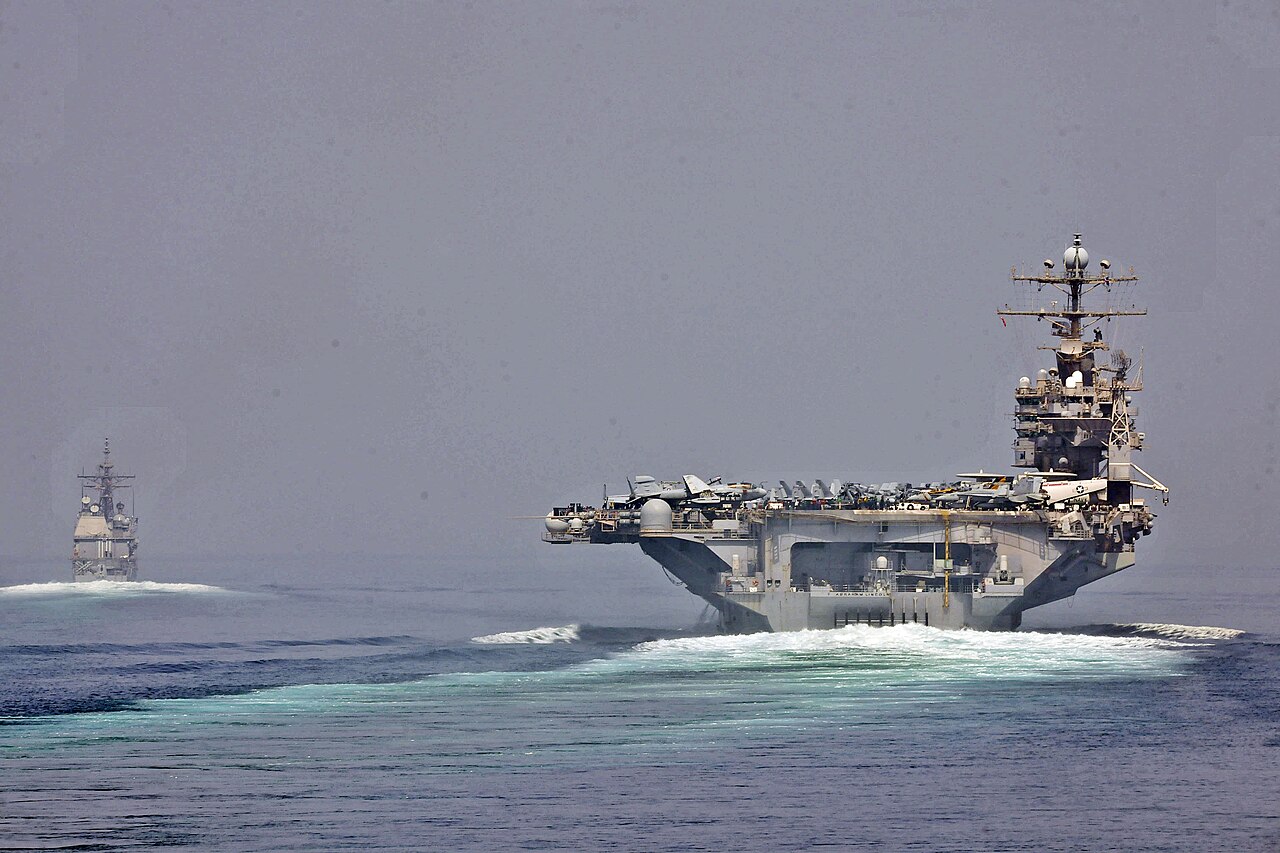
Tensions in the Middle East escalated after Iran seized two vessels in the Strait of Hormuz, a critical global shipping route, intensifying the ongoing U.S.-Iran conflict and disrupting international oil supply chains. The move followed U.S. President Donald Trump’s decision to halt planned military strikes while maintaining a naval blockade on Iranian trade routes. Iranian officials argue that reopening the strait is impossible under current conditions, calling the blockade a violation of ceasefire expectations and emphasizing the need for recognition of Iran’s national rights.
The Strait of Hormuz, responsible for transporting nearly one-fifth of the world’s oil and gas, has effectively been restricted, causing major economic ripple effects. Oil prices have already reacted, with Brent crude surpassing $100 per barrel, reflecting market concerns over reduced supply and heightened geopolitical risks. Iran’s Revolutionary Guards stated that the seized ships violated maritime regulations, marking the first such action since the conflict began in late February.
Despite a temporary pause in military escalation, there is little progress toward a lasting resolution. The United States seeks limits on Iran’s nuclear activities, while Iran demands sanctions relief, compensation, and acknowledgment of its control over the strategic waterway. Diplomatic efforts, including mediation by Pakistan, have so far failed to bring both sides to the negotiating table.
The situation remains volatile, with declining ship traffic in the strait and rising uncertainty in global markets. Iran has also demonstrated military strength through public displays of ballistic weapons, signaling defiance amid stalled peace talks. Meanwhile, the U.S. continues enforcing its blockade, redirecting vessels and increasing pressure on Iran’s economy.
As the standoff continues, the Strait of Hormuz remains a focal point of global concern, with potential long-term impacts on energy prices, international trade, and regional stability.