Islamabad has been transformed into a virtual ghost town as high-stakes direct negotiations between the United States and Iran got underway for the first time in years. Pakistani authorities imposed a citywide lockdown, deploying thousands of security personnel and declaring a two-day public holiday to protect delegates amid a fragile regional ceasefire.
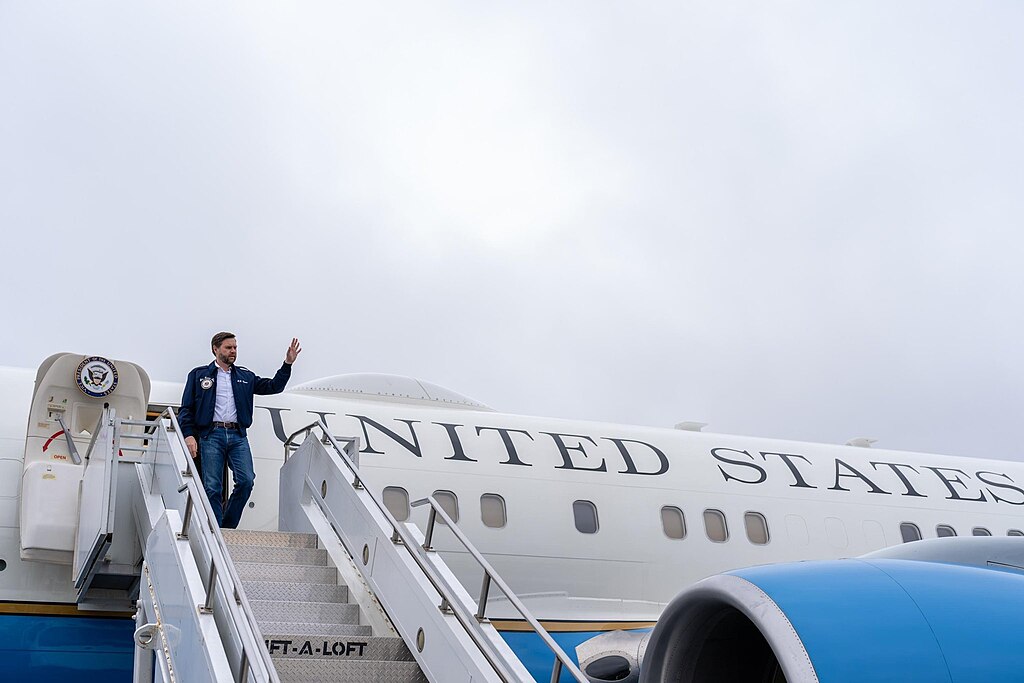
The landmark summit, held at the Islamabad Serena Hotel, is being led by U.S. Vice President JD Vance and Iranian Parliament Speaker Mohammad Bagher Ghalibaf. Security measures were described as unprecedented, with SWAT teams and soldiers surrounding the 15-acre venue and Jinnah Avenue — the capital's main commercial street — left completely deserted. The extraordinary precautions stem from elevated tensions following recent U.S. and Israeli military actions targeting Iranian leadership, along with credible concerns over potential assassination threats. Senior Iranian delegate Ali Akbar Ahmadian, a central figure in Iran's naval strategy, was among those who reportedly raised personal safety concerns following the strike that killed Iran's former Supreme Leader.
Beyond the diplomatic optics, the economic stakes could not be higher. Central to the negotiations is the reopening of the Strait of Hormuz, a critical global shipping lane that has remained blocked for weeks, sending energy markets into turmoil and threatening the stability of international trade routes. The prolonged closure has disrupted oil supply chains worldwide, pushing fuel prices higher and rattling investor confidence across financial markets.
Pakistan's role extends beyond simply hosting the event. Islamabad has positioned itself as a credible neutral ground, offering both sides a secure environment to explore a possible diplomatic off-ramp. As talks stretched into the early hours of Sunday, global markets and policymakers watched closely, hoping the negotiations would yield a concrete agreement to restore stability to one of the world's most strategically vital waterways.