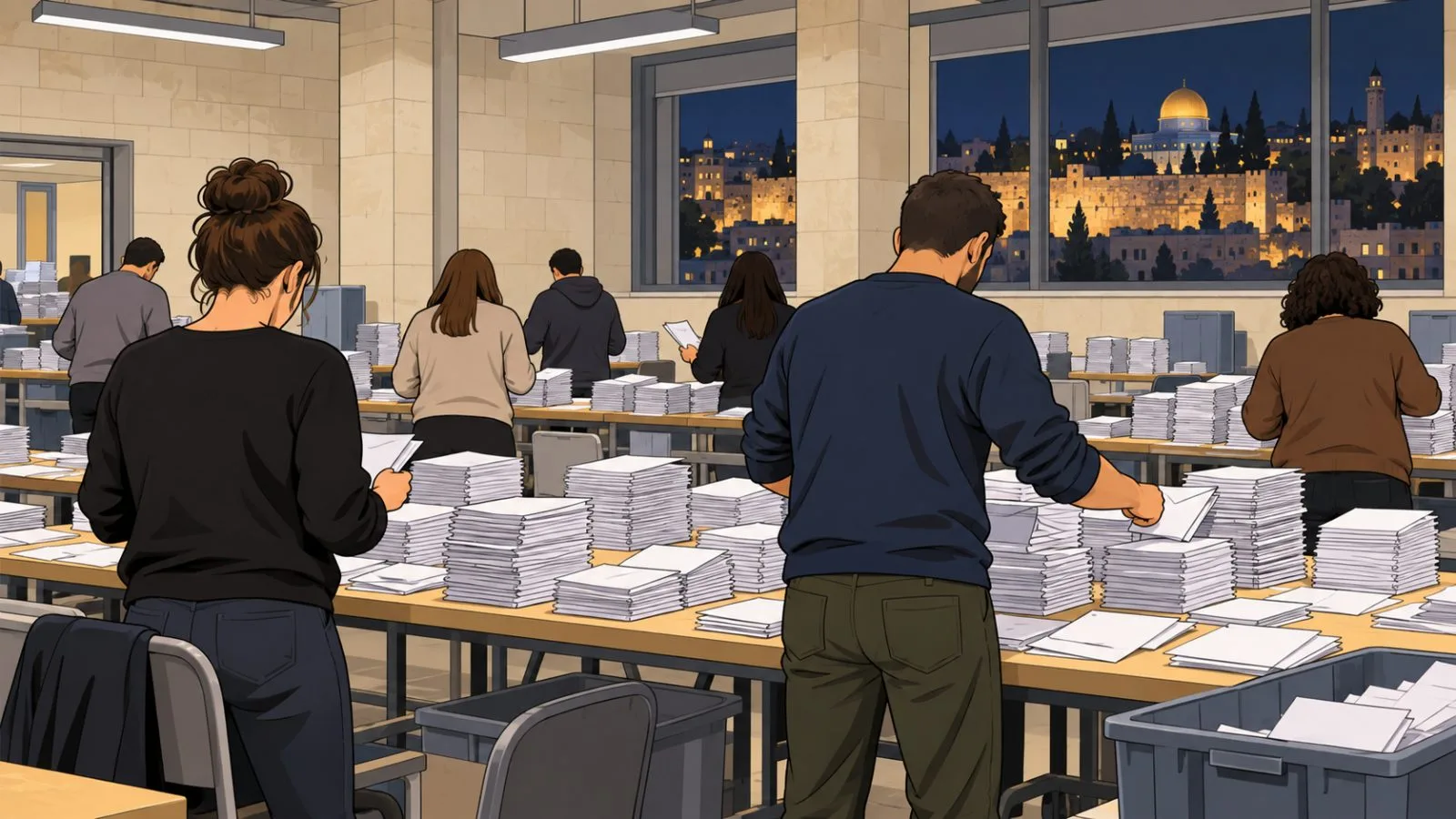
Israel’s Central Elections Committee said Thursday it had completed its double-envelope count, leaving official results pending as pre-count projections placed both main blocs below a Knesset majority.
The committee’s website lists Nov. 4 for publication of final results in the official gazette. The completed tally marks the end of ballot counting, while the official results remain pending.
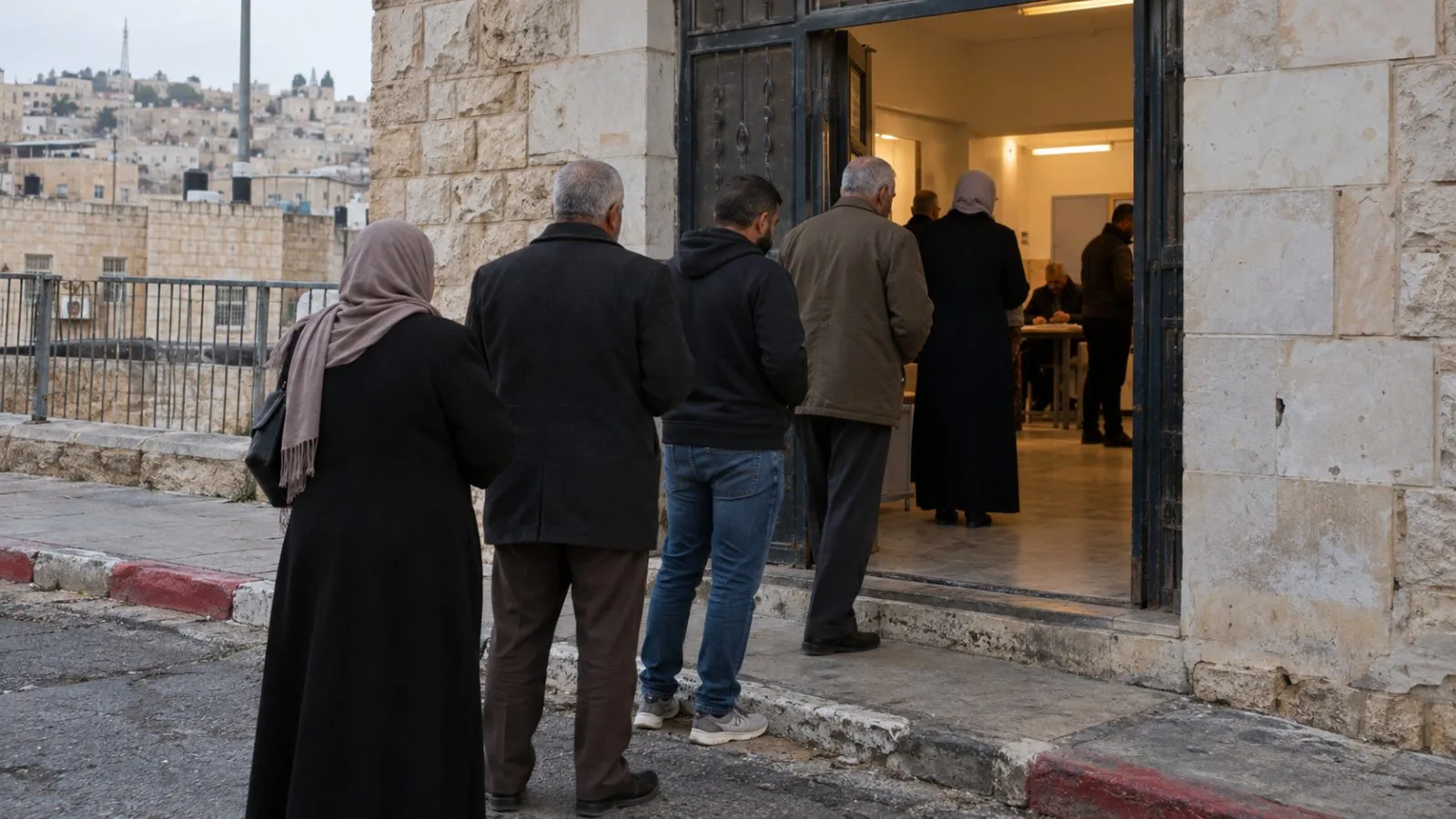
The procedure serves voters unable to cast ballots at their registered polling places, including soldiers, diplomats, police officers and displaced residents. Voters place an anonymous ballot inside an outer envelope with identifying details. Election officials use those details to screen for duplicate votes, then remove the anonymous ballot for counting. The Israel Democracy Institute has said the checks are intended to prevent a person’s vote from being counted both through this process and at an assigned polling station; EconoTimes previously explained how the ballots are verified.
Yedioth Ahronoth reported that an earlier tally had reached 233,815 ballots from a pool of nearly 500,000. The Israel Democracy Institute counted about 463,000 such ballots in 2022, close to one in 10 votes. It expected a larger number this year, citing mobilized soldiers, evacuees and voting arrangements for people with limited mobility.
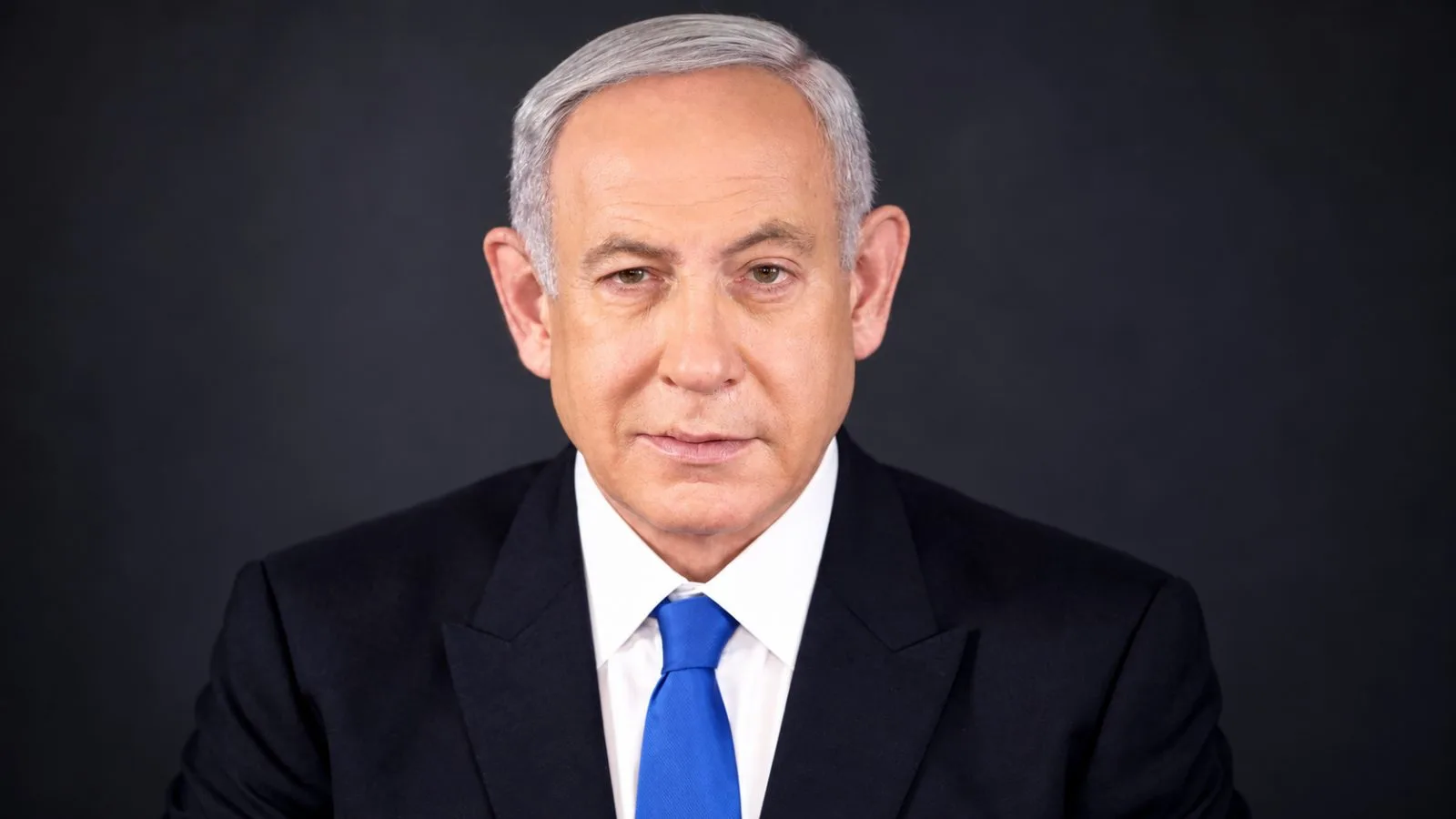
A Channel 12 estimate issued before the count ended put Prime Minister Benjamin Netanyahu’s bloc at 53 seats and the opposition led by Yashar party leader Gadi Eisenkot at 48; Arab-led parties were projected to win 19. The Knesset has 120 seats, and 61 are needed for a majority. Those figures left both main blocs short of that mark, as EconoTimes covered in its earlier report on the coalition shortfall.
The seat projections do not establish which parties could form a governing coalition. The Times of Israel reported that some opposition parties had ruled out certain forms of cooperation with Arab-led lists. The committee put turnout at 77.7%, its highest level since 1999; publication of the final results is scheduled for Nov. 4.