Lebanon and Israel resumed U.S.-mediated negotiations in Rome on Tuesday, seeking progress on implementing a framework aimed at ending the conflict in southern Lebanon. While officials described the discussions as constructive, expectations for a rapid breakthrough remained limited.
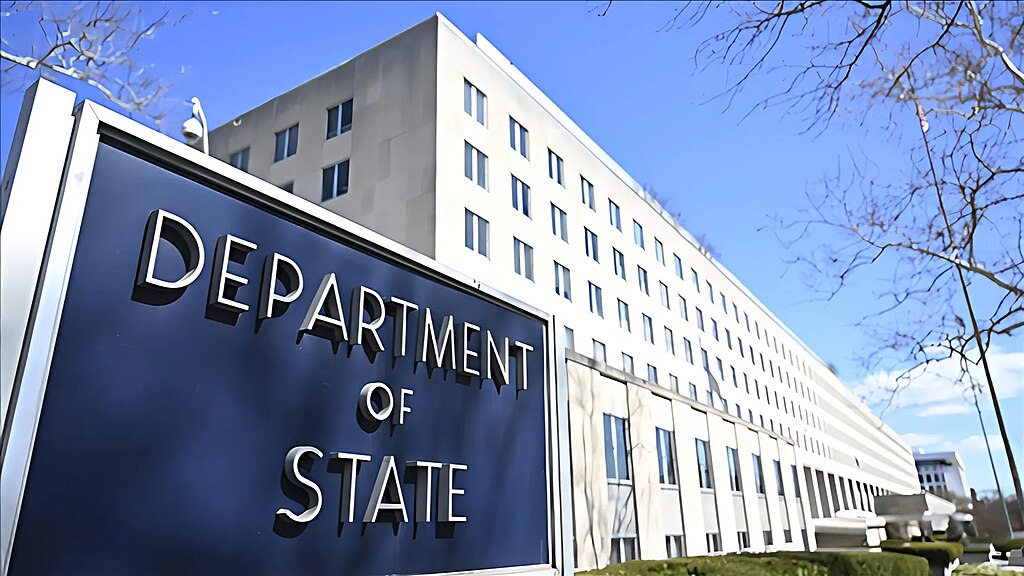
A U.S. State Department official said the first day of talks was positive and confirmed negotiations would continue on Wednesday, with both sides expressing a willingness to move the process forward.
The diplomatic effort began after Hezbollah and Israel returned to fighting on March 2 amid broader regional tensions. Hezbollah has opposed the negotiations, insisting that only Iranian pressure on Washington can secure an Israeli withdrawal and bring the conflict to an end. Although Iran included an end to the Lebanon war in its interim agreement with the United States last month, that deal has faced strain following renewed U.S.-Iran tensions in the Gulf.
Israel currently controls what it calls a 10-kilometer security buffer zone along the Lebanese border, arguing the military presence is necessary to protect northern Israeli communities from Hezbollah attacks. A framework agreed upon in Washington on June 26 proposed a ceasefire, the disarmament of militant groups, the deployment of Lebanese troops to southern Lebanon, and the gradual withdrawal of Israeli forces.
Despite the agreement, Israeli airstrikes have continued and Hezbollah has rejected both the framework and calls to disarm. Israel maintains its forces will remain in southern Lebanon until Hezbollah no longer poses a security threat.
Israeli Foreign Minister Gideon Saar said the agreement remains the "only way forward" and confirmed Israel is prepared to begin implementing two pilot zones where Hezbollah would disarm, Israeli troops would withdraw, and Lebanese forces would take control. Lebanese President Joseph Aoun, however, instructed his delegation to seek the immediate withdrawal of Israeli forces from the pilot zones before discussing other issues.
The U.S. military is coordinating with both governments on the pilot zones, with American officials indicating the first area could be activated within days. Israeli-controlled areas remain off-limits to Lebanese civilians and soldiers.
According to Lebanon's health ministry, more than 4,000 people have been killed and over one million displaced since fighting resumed. Reuters previously reported that several thousand Hezbollah fighters were among the casualties. Israel says at least 32 soldiers and four civilians have been killed in attacks by Hezbollah during the latest conflict.