
In a book I wrote with a colleague on organisational failures (The Apology Impulse) the inability of many of them to confront their failures, except to say a meaningless “we’re sorry”, is legend.
We highlighted the many cases of organisations in the private and public sector apologising profusely for a high-profile failure, but not taking any personal or organisational responsibility for it. We concluded, after looking at hundreds of organisational failures, that the very act of apologising is itself in crisis.
Organisations are confused and gripped by a range of anxieties. They worry about the consequences of apologising, including the humiliation that comes with admitting wrongdoing. And their (unfounded) fear of inviting litigation often prevents them from giving apologies when they’re most needed.
Crisis communication is becoming a costly business and often the conclusion is that it’s easier not to apologise at all. When an apology is forthcoming, it happens too late or in a wording so cautious as to be stripped of all meaning for the victims.
And in a multi-media age, the fear of potential damage to an organisation’s image and brand will encourage them to be less open and transparent about their failure.
In the case of the Church of England, there may be a number of additional obstacles which may have inhibited organisation leaders from confronting the appalling behaviour of John Smyth over the years. The now deceased barrister violently abused an estimated 100 boys, many of whom he met via his work with the church.
First, the church is meant to be the “moral” role model of the country. So to admit to itself or to the outside world, that this kind of behaviour exists within its own structures may be difficult to acknowledge or to confront.
Second, the church is a highly hierarchical organisation. People further down the hierarchy might want to cover up their failures to protect their career ambitions or to protect the church’s image and reputation. This may help explain why people did not come forward, despite open concerns about Smyth.
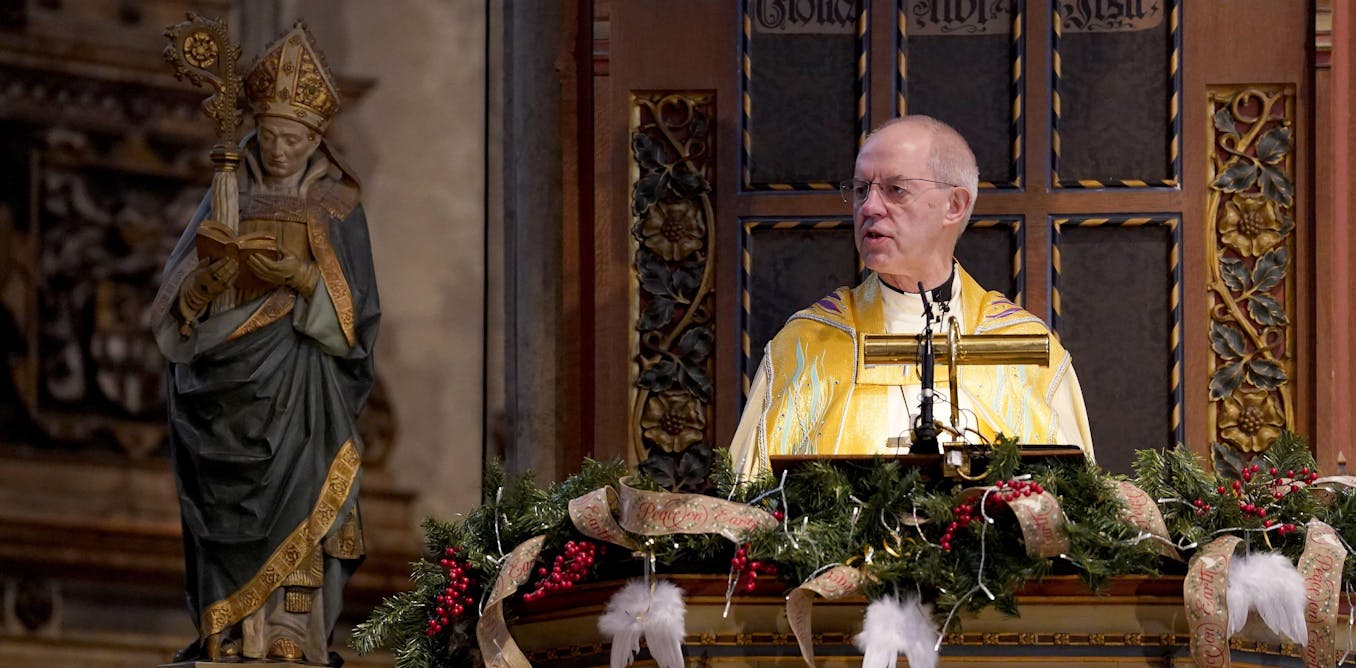
Justin Welby has resigned as Archbishop of Canterbury in the wake of a review that found evidence that Smyth’s crimes had been covered up by the church since the 1980s. Welby said he took responsibility for the “conspiracy of silence” within the church since 2013, when police had been notified about the abuse but the allegations were not properly followed up by the church.
Confronting hierarchy
But there are practical questions to ask about who was responsible for managing this process to ensure that proper safeguarding was put in place. In other words, who had delegated responsibility for this particular individual and situation? Welby may be morally responsible but that doesn’t quite answer the question of who failed to act at the time. This shows lack of senior leadership by the church, who have a duty of care for those under the guidance of the church.
As Helen-Ann Hartley, the Bishop of Newcastle, has highlighted, there appears to be a lack of willingness among many bishops to confront the top leadership of the Church over their accountability for their lack of leadership on this safeguarding issue. This may come down to their personal career concerns or not wanting to rock the proverbial boat.
These organisational shortcomings were highlighted in the review of the church’s response to the Smyth case. The review warned of excessive deference to senior clergy in leadership roles and failures of leadership and accountability in safeguarding.
This will all require a serious culture change programme in the future. But as Machiavelli wrote in the Prince:
It should be borne in mind that there is nothing more difficult to arrange, more doubtful of success and more dangerous to carry through than initiating change. The innovator makes enemies of all those who prospered under the old order, and only lukewarm support is forthcoming from those who would prosper under the new.
Change will be needed, nonetheless, and this situation has provided the church the opportunity to seriously explore its leadership and organisational culture – a process that should not stop at the resignation of the archbishop.


