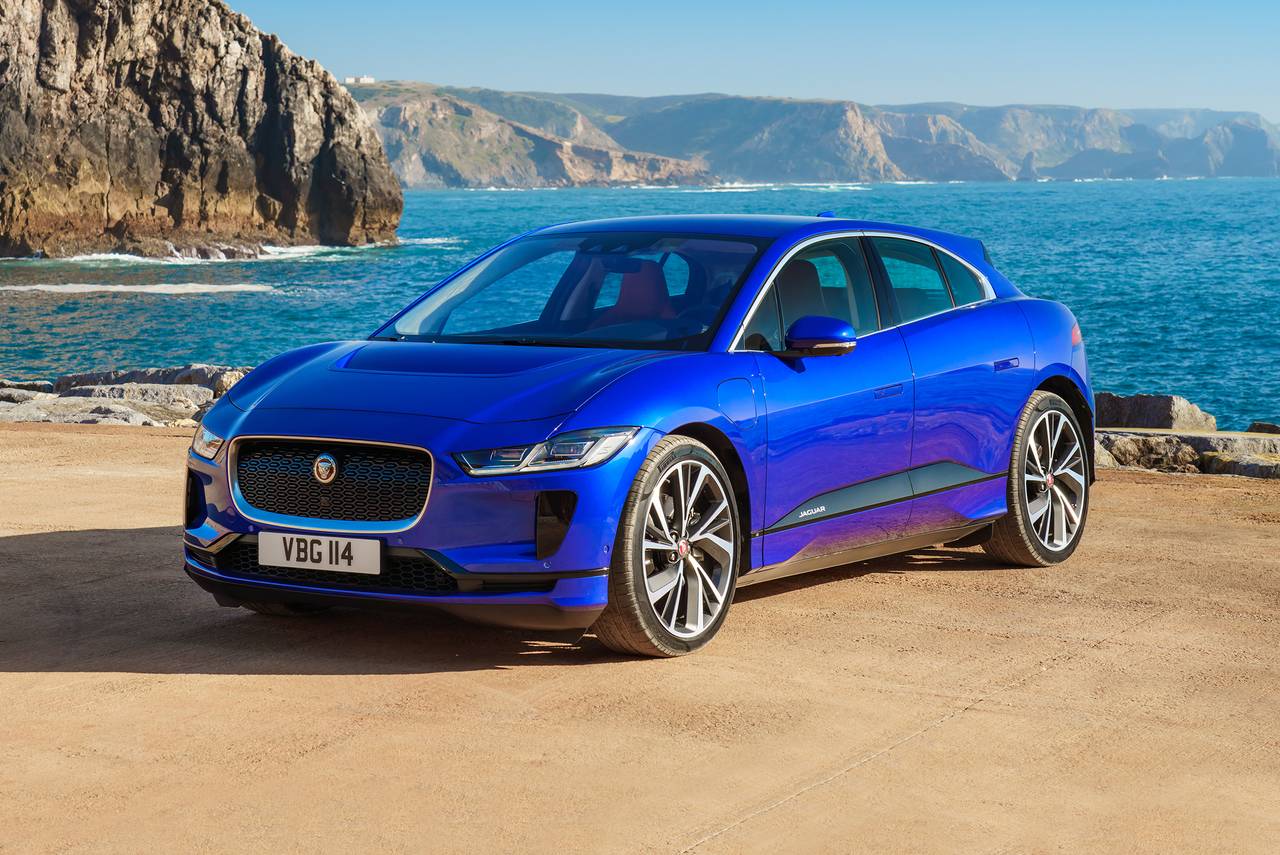
Jaguar Land Rover is facing parts shortages and will suspend the production of Land Rover Discovery, Evoque, Velar, and Jaguar XE, XF, F-Pace, and I-Pace in September.
Production will continue with the Jaguar F-Type, Range Rover, Range Rover Sport and Defender.
The I-Pace assembled by Magna International in Graz, Austria, is its only fully electric model, and production will stop while demand for electric cars is surging.
As petrol engines are phased out by 2025, Jaguar hinted that it will develop its more upscale BEV with a contractor rather than in the Midlands.
The next pure-electric Land Rover vehicles are expected to arrive in the second part of this decade, with a smaller electric Jaguar model possibly produced in the UK.
A variant of the internally developed Magna platform, which is shared with US EV company Fisker, is expected to be used as JLR was unable to adapt the LR and RR electric vehicle platform for its larger Jaguar model.



The Beauty Beneath the Expressway: A Journey from Self to Service
Global Central Banks Brace for More Rate Hikes as Inflation Risks Rise
Disaster or digital spectacle? The dangers of using floods to create social media content
Apple Unveils $1,999 Foldable iPhone Duo
Gold Prices Steady Ahead of U.S. Inflation Data and Fed Decision
U.S. Stock Futures Steady as Oil Tops $100 Ahead of Inflation Data
Stuck in a creativity slump at work? Here are some surprising ways to get your spark back
OpenAI Targets Specialized Industries as Enterprise AI Demand Grows
The American mass exodus to Canada amid Trump 2.0 has yet to materialize
How to support someone who is grieving: five research-backed strategies
Oil Prices Surge as Middle East Shipping Attacks Threaten Supply
Treasury Buyback Fails to Cool Long-Term Yields
TetherMax Expands into Asian Market Following Rebranding, Names Actor Yun Siyun as Brand Ambassador
Elon Musk’s Boring Company Raises $3 Billion at $23 Billion Valuation
China Buys 1 Million Tons of U.S. Soybeans Ahead of Xi Visit
UK Businesses Urge Government to Cut Electricity Levies
Debate over H-1B visas shines spotlight on US tech worker shortages 


