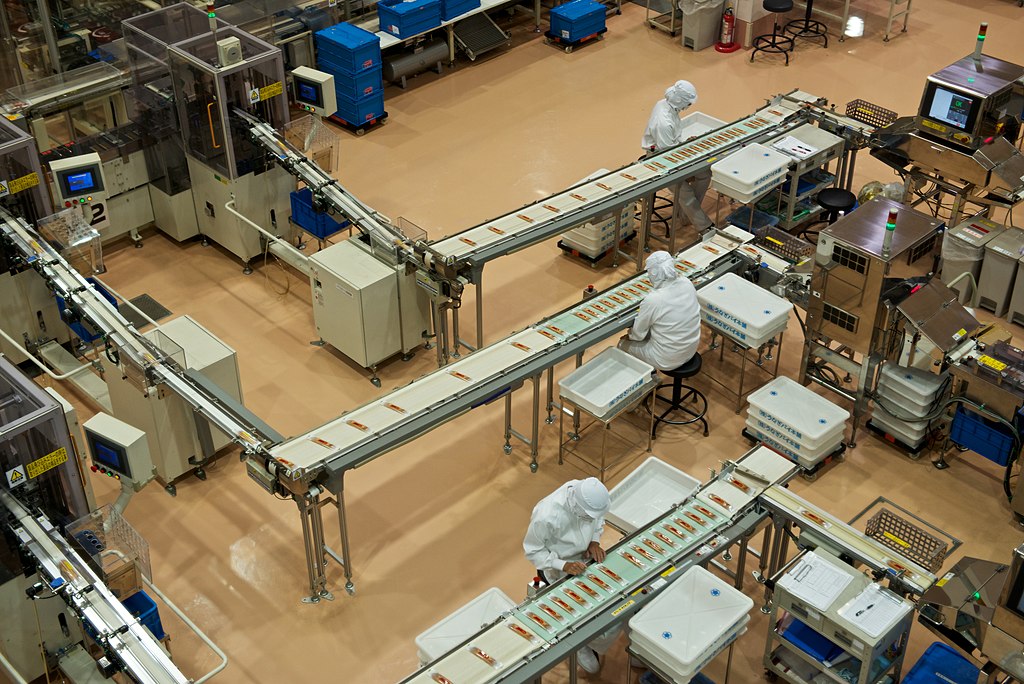
Japan’s manufacturing sector expanded at its fastest pace in nearly four years in February, signaling renewed momentum driven by strong domestic and global demand. According to the latest S&P Global Japan Manufacturing Purchasing Managers’ Index (PMI), the headline figure rose to 53.0 in February from 51.5 in January. The reading also came in higher than the flash estimate of 52.8. Any PMI figure above 50 indicates expansion, highlighting continued growth in Japan’s manufacturing activity.
The February data shows significant improvements across key indicators, including manufacturing output, new orders, and employment. All three components recorded their strongest growth rates since January 2022. The surge was largely supported by improved global demand conditions and the launch of new products, helping Japanese manufacturers regain momentum after a prolonged slowdown.
New export orders posted particularly strong gains, expanding at the fastest pace since June 2021. Demand from major markets in Europe and Asia strengthened considerably, marking a sharp turnaround from late last year when export business had been contracting for nearly four consecutive years. This rebound in export activity reflects growing confidence in global trade conditions and supply chain stability.
Business sentiment also improved notably. Firms expressed their highest level of optimism since mid-2024, anticipating that global demand will continue to recover and boost sales in the months ahead. Key sectors such as technology and automotive manufacturing are expected to play a central role in sustaining growth.
Although inflationary pressures remained elevated, cost burdens showed signs of easing compared to January. Both input costs and output prices continued to rise but at slower rates, suggesting some stabilization in price pressures.
Overall, the strong PMI reading underscores Japan’s manufacturing recovery and positions the sector for sustained growth amid improving global economic conditions.