


 Judge Blocks Trump Rule Limiting Foreign Student Visas
  SEC Probes Banks Over Situational Awareness Hedge Fund Collapse
  Countries Tighten Social Media Bans for Children
  Trump Hopes Iran War Nears End as Yemen Fighting Escalates
  Trump Threatens EU Tariffs Over Canada Membership Proposal
  Global Poll Shows Rising Trust in Institutions as US-China Leadership Support Falls
  South Korea’s Cho Hyun to Meet Rubio in Washington
  Nvidia-Groq AI Chip Deal Faces U.S. Antitrust Probe
  Australia Defends Social Media Algorithm Law Amid US Concerns
  US Officials Meet Houthis in Oman Amid Yemen Offensive
  Guterres Urges Stronger Global AI Safeguards Ahead of UN Assembly
  Europe can’t achieve space sovereignty alone. Here’s why
  New Zealand Labour Backs Social Media Ban for Under-16s
  Trump Grants Clemency to Jay-Z Associate Emory Jones
  Nvidia CEO Jensen Huang Expected at Trump-Xi State Dinner
  Ukraine Tests New Anti-Drone Weapon After Successful Shahed Intercept
  ICE Agent Arrested in Minneapolis Over Venezuelan Man Shooting


 Add as a preferred source on Google
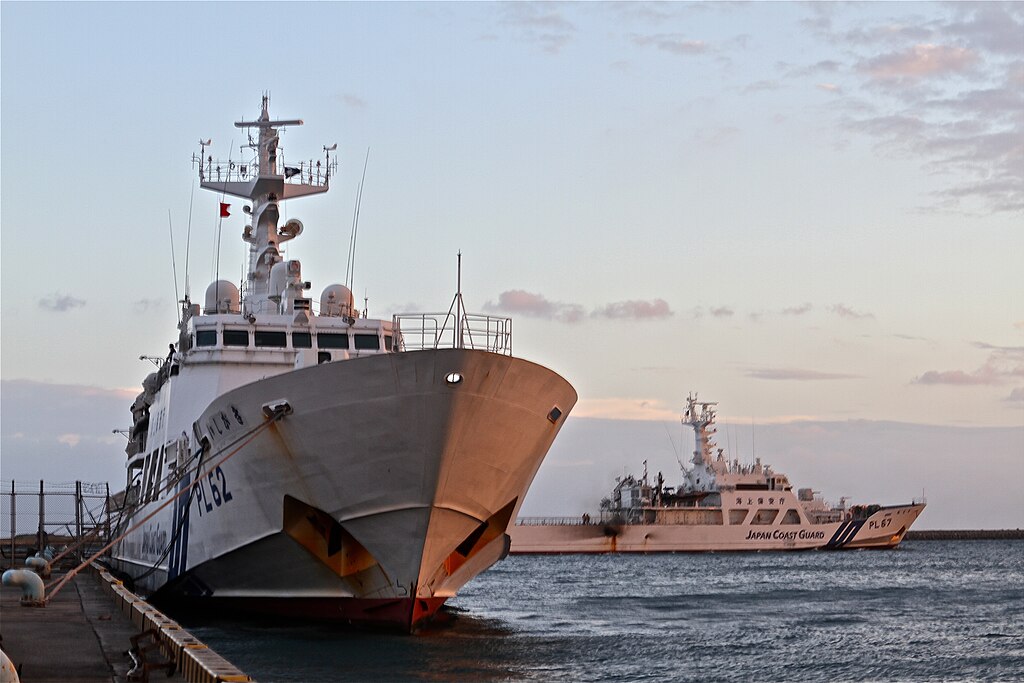
A 76-year-old Japanese fisherman, Hitoshi Nakama, has long seen himself as a frontline defender of Japan’s claims over the disputed Senkaku Islands in the East China Sea. For years, Nakama and other fishermen regularly sailed into the waters around the uninhabited islands—known as Diaoyu in China—both to fish and to symbolically assert Japan’s territorial control. However, since late last year, Japanese officials have quietly urged fishermen to avoid the area, signaling a notable shift in Tokyo’s approach amid rising tensions with Beijing.
According to Nakama and others familiar with the matter, the requests came as relations between Japan and China deteriorated following comments by Prime Minister Sanae Takaichi on a potential Chinese attack on Taiwan. The islands, administered by Japan but claimed by China and Taiwan, have long been a flashpoint, and Japanese authorities now appear increasingly concerned that even minor maritime incidents could escalate into a broader diplomatic or military confrontation. While Japan’s foreign ministry reiterated that the Senkaku Islands are an inherent part of Japanese territory, it declined to comment on specific requests made to fishermen.
The situation presents a strategic dilemma for Japan. Fishing activity helps demonstrate effective control over the islands, yet it also risks confrontations with Chinese coast guard vessels, which have increased their presence in the area. Chinese officials accuse Japanese nationalists of using fishing as a pretext to provoke trouble, while the United States has warned against unilateral actions that could change the status quo in the East China Sea. Any clash could potentially draw Washington into the dispute under its security treaty with Japan.
Despite official caution, fishermen like Nakama remain determined. The waters around the islands are rich in fish such as red snapper, providing a significant source of income. Supporters argue that a complete withdrawal could embolden China to assert its claims more aggressively. With Chinese coast guard ships reportedly present near the islands on a record number of days last year, the balance between economic activity, national sovereignty, and regional stability remains fragile—and fishermen continue to find themselves at the center of a high-stakes geopolitical contest.







