Japan's newly launched Martian Moons eXploration (MMX) mission is carrying a European rover to help select a Phobos sampling site, advancing a plan to test how Mars' moons formed.
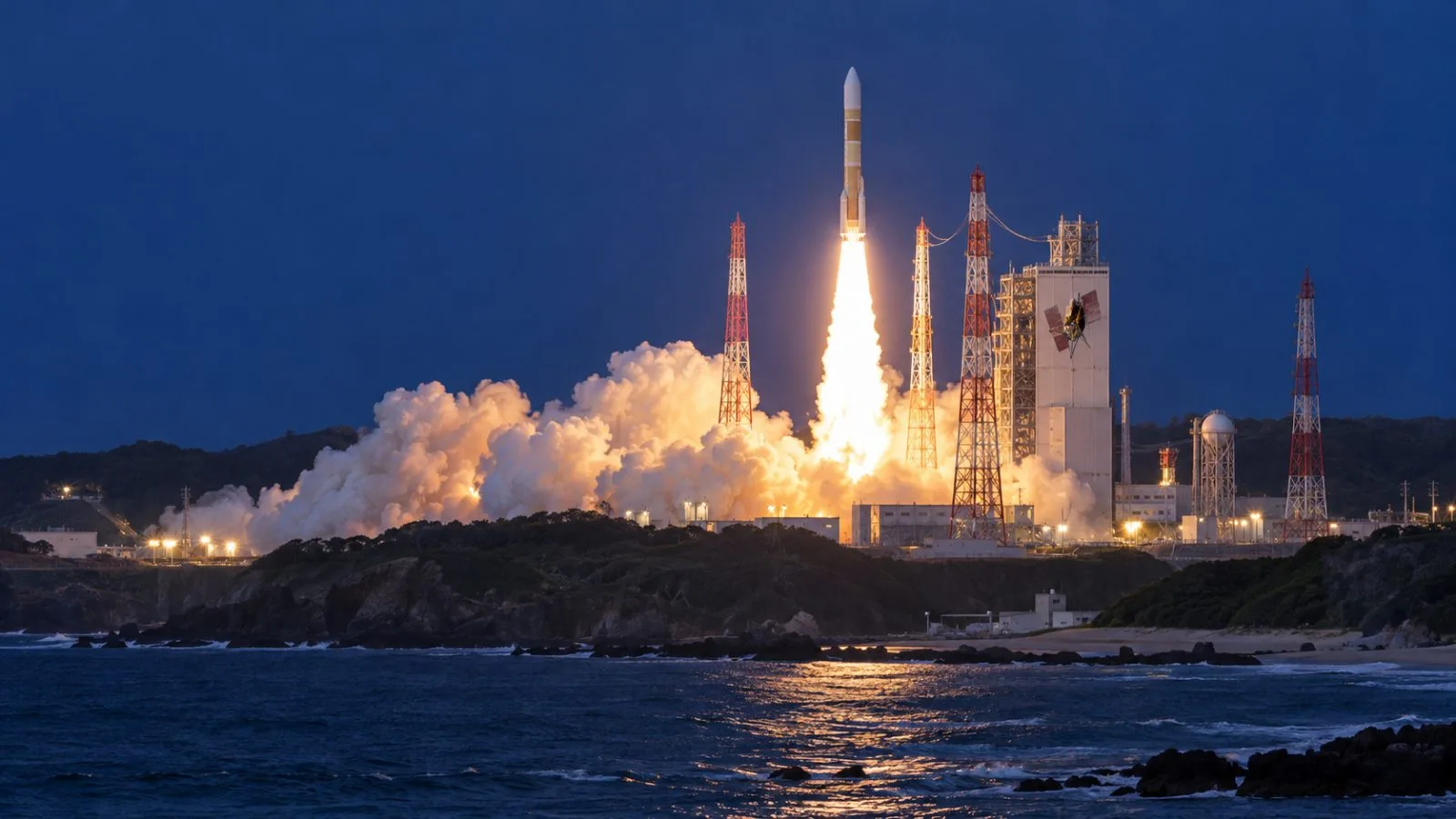
The Japan Aerospace Exploration Agency (JAXA) said an H3 rocket lifted off from Tanegashima Space Center at 3:41 p.m. EDT (19:41 UTC) on Oct. 19, or 4:41 a.m. Japan Standard Time on Oct. 20. The spacecraft separated from the rocket as planned about 71 minutes later. The launch began Japan's mission to return material from Phobos.
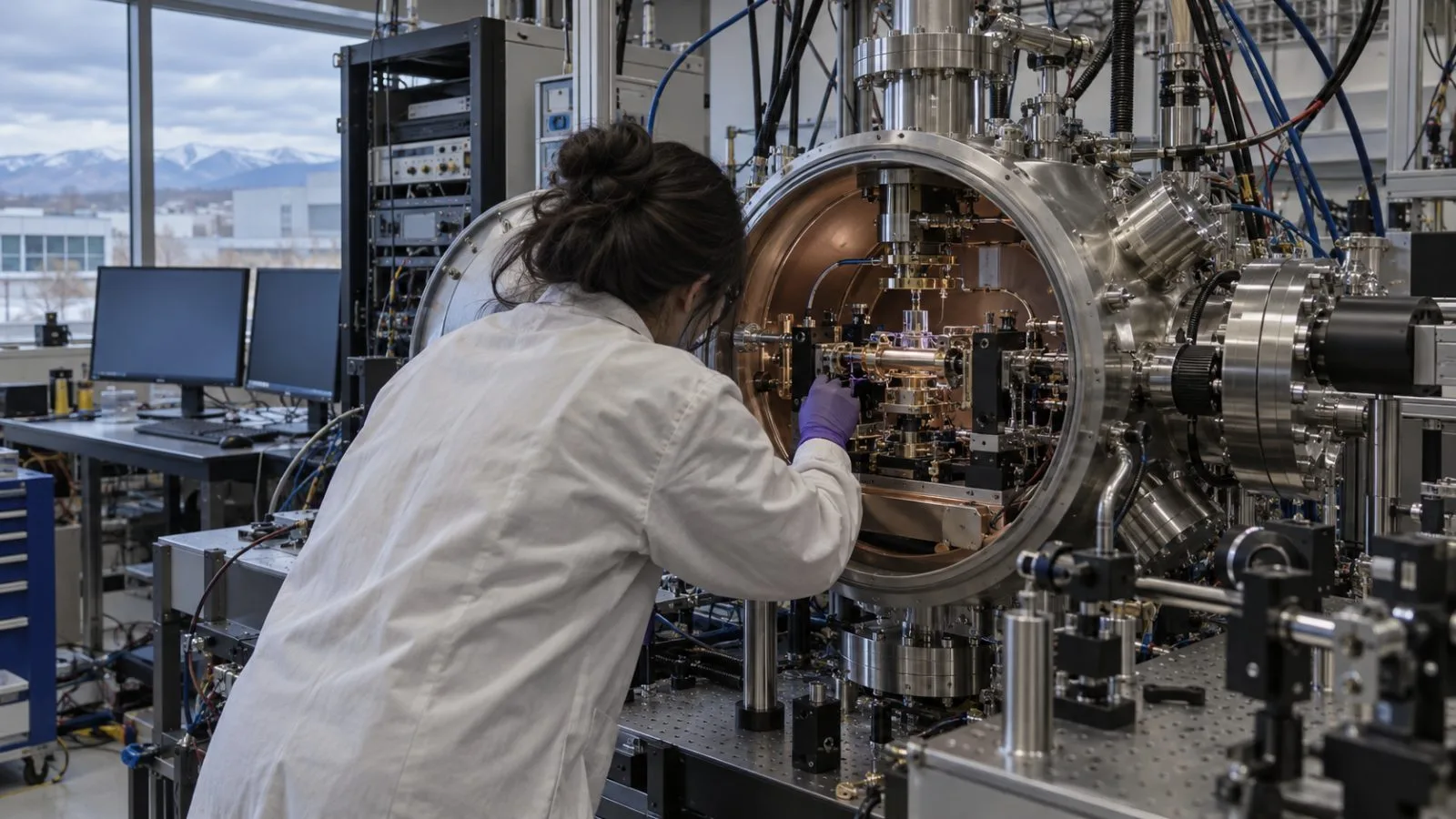
The rover, Idefix, was built by the German Aerospace Center (DLR) and Centre national d’études spatiales (CNES). DLR expects it to reach Phobos around the turn of 2028 and 2029 and examine the surface for about 100 days. Its findings are intended to help the MMX team choose where the spacecraft will land and collect samples. Idefix project manager Markus Grebenstein of DLR called landing and driving on Phobos “uncharted territory for robotics.”
NASA supplied an instrument to measure Phobos' elemental composition and a device designed to collect surface material using nitrogen gas. JAXA also has a sampler designed to take a shallow core. NASA says it expects to receive and curate about 15% of any material returned to Earth.
JAXA aims to bring back at least 10 grams from Phobos. Scientists plan to use the samples and observations of Deimos, Mars' other moon, to assess whether the moons formed from debris after a collision with Mars or were asteroids captured by its gravity. JAXA says Phobos may also contain grains ejected from Mars by earlier impacts.
JAXA cites its Hayabusa and Hayabusa2 asteroid missions as experience for the sampling work. NASA projects MMX will reach Mars in August 2027, and the European Space Agency expects it to enter an orbit near Phobos in September 2027. JAXA targets a 2031 return, with recovery of the sample capsule planned in Australia.