


 Iran Tanker Attacks Surge as Hormuz Oil Flows Near Prewar Levels
  US DOT Ends Airline Privacy Review Without Enforcement
  France Student Protests Intensify Nationwide
  Russian Bombs Kill Six, Injure Nearly 60 in Kharkiv
  Zelenskiy Warns Russia Is Preparing Massive Attack on Ukraine
  Ukraine to Intensify Strikes on Russian Oil Refineries
  Trump Offers US Help to Russia After Plague Lab Worker Dies
  OPEC+ Keeps November Oil Output Targets Steady
  Ukraine Faces $56 Billion Budget Gap as War Costs Soar
  ISIS Attack Near Kirkuk Kills Iraqi Policeman After US Withdrawal
  Trump Envoy Meets Sudan Army Chief in Egypt
  OpenAI, Anthropic Back Mandatory AI Breach Reporting in Australia
  Trump Plans Diesel Tax Relief as Fuel Prices Hit Record Highs
  Lula Weighs Alckmin as Finance Minister to Boost Fiscal Credibility
  Takaichi Pledges to Control Japan Bond Issuance
  Trump Opens Tax-Exempt Dyed Diesel Access as Fuel Prices Surge
  India-US Trade Deal Talks Hit Plateau, Sitharaman Says


 Add as a preferred source on Google
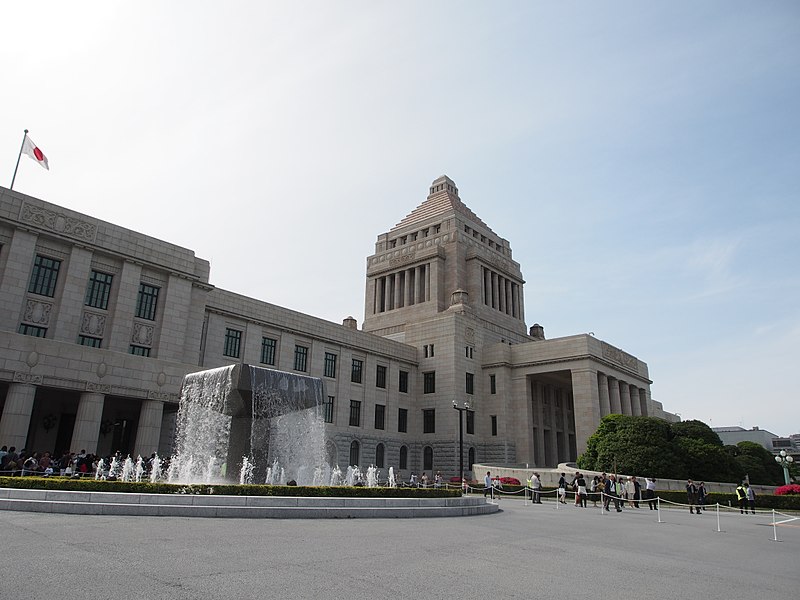
Security is becoming a leading global issue next to inflation and rising gas prices that were made worse by the war in Ukraine. The Japanese government will not set a ceiling on its defense spending in its fiscal budget for next year.
According to the Nikkei news outlet, Japan will not be setting a ceiling for defense spending in the fiscal budget for the coming year. This comes as Tokyo plans to increase spending on purchases of longer-range missiles and cyber security, according to the outlet.
The administration of Prime Minister Fumio Kishida is expected to make its decision this month. The move would allow the government to respond to the proposal made by the ruling party to increase defense spending by two percent of Japan’s Gross Domestic Product in a span of five years.
To this day, Japan’s annual defense spending has been limited to one percent of the country’s GDP.
In Japan’s annual economic policy roadmap that was published in June, Tokyo said it wanted to significantly increase defense spending within five years in what would be the first mention of a timeframe for bolstering the expenditure.
The Japanese government usually sets limits on spending requests by ministries when it drafts its annual state budget in order to avoid expenditures from increasing too much and further straining the country’s finances.
While the Japanese public is usually cautious about major increases in defense spending, many reportedly express concern that Russia’s invasion of Ukraine may embolden China to invade Taiwan.
The United Kingdom said Monday that it is working with Japan and Italy on its next fighter jet program. The joint concept analysis is expected to bring decisions on strengthened partnerships by the end of the year. Outgoing British Prime Minister Boris Johnson said his administration was backing aviation and technology.
“I am a passionate believer in the potential of our burgeoning partnership, not just with Italy, but with Japan,” said Johnson in his remarks at the opening of the Farnborough Airshow.
This follows a previous report by Reuters Thursday last week that the UK and Japan were nearly reaching an agreement to merge the Tempest and F-X fighter jet programs, with both countries keen on reaching a deal for a new joint project by the end of the year.







