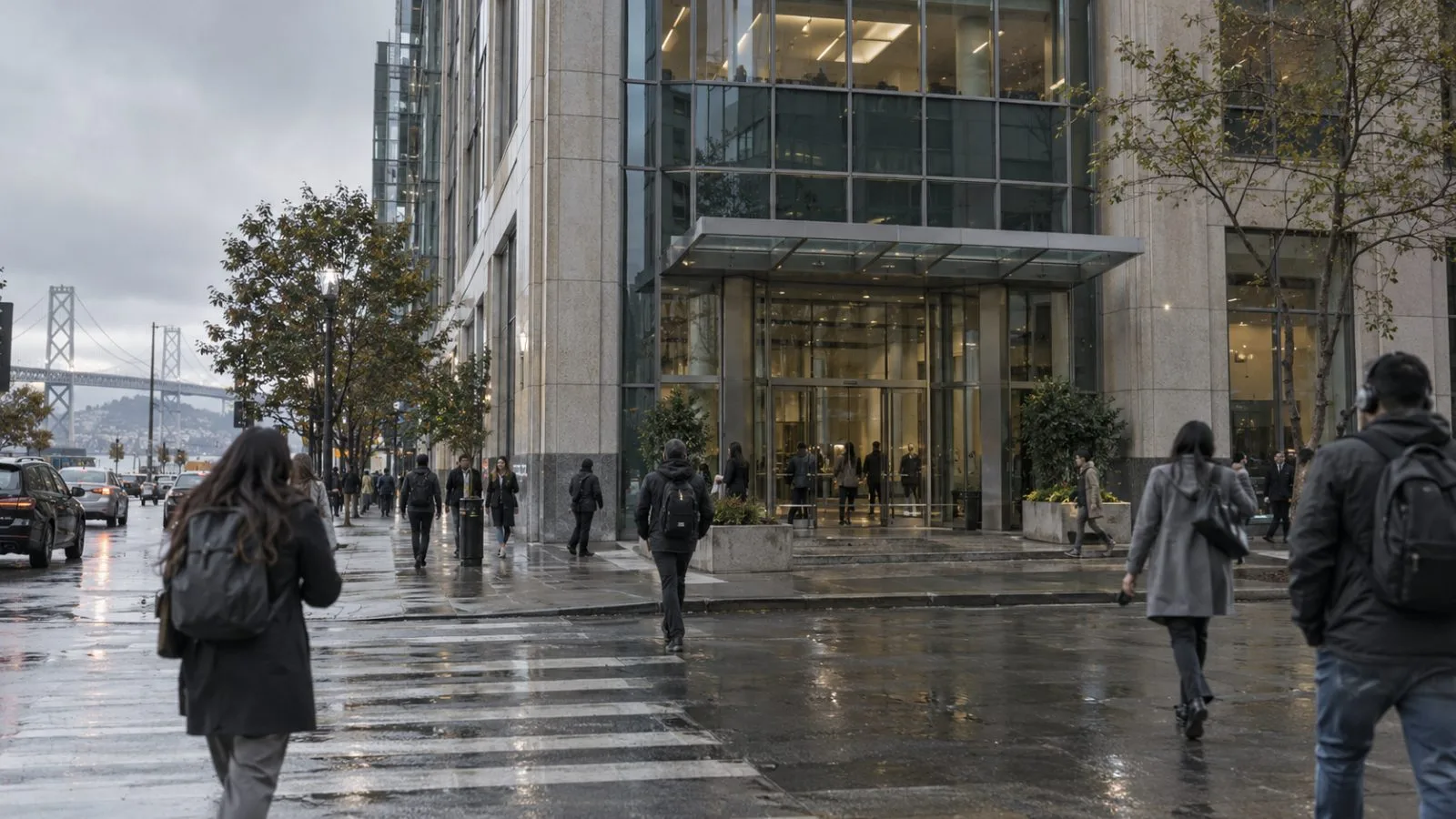
The ongoing covid-19 pandemic has touched just about every part of economy, and the jobs market as a whole has gone into alarming freefall, despite the government’s job retention measures.
Where are the jobs going?
The sectors which have struggled most are, by and large, the ones you might expect. Aviation, hospitality and retail have had to contend with unprecedented slumps in demand, and many businesses have responded by slashing their payrolls.
Even household names like HSBC have announced thousands of redundancies, albeit spread across the globe.
What is the economic outlook like?
According to the Guardian’s redundancy counter, more than 150,000 people have been made redundant, and more than nine million remain furloughed as of the 28th July. Moreover, the number of employees on company payrolls tumbled during the lockdown period by around 649,000.
Though economic forecasts are not widely lauded for their reliability, the ones that are being focussed on by the mainstream media remain consistently bleak. According to the Office for Budget Responsibility, the body set up to advise the treasury, unemployment levels could skyrocket by the end of the year to levels not seen since the 1980s.
With that said, certain areas of the economy are now enjoying a surge in pent-up demand. Car dealerships are making sales faster than they can restock their forecourts; estate agents find themselves inundated with enquiries. Whether this can be sustained to the end of the year remains
The best-case scenario is a ‘v’ shaped recession – a sharp decline followed by an equally sharp uptick. This is a wildly different recession to the one experienced in 2008. The financial fundamentals which underpin the modern economy remain sound, and thus there’s some reason for cautious optimism – as articulated by the Bank of England’s Andy Haldane in June.
What can be done?
What does all this mean for businesses looking to navigate the post-covid landscape?
Among the more popular shifts has been toward e-commerce. Retailers have tried to cope with sparse footfall by making the transition to trading online. Ecommerce has, in fact, been in rude health through the pandemic, and it’s likely that this shift will outlast the pandemic itself.
Businesses may also wish to anticipate a fall in demand by being more cautious with their investments. Risk assessments and strategizing are set to be more crucial than ever, as is seeking out alternative forms of commercial finance from specialised online lenders.
This article does not necessarily reflect the opinions of the editors or management of EconoTimes