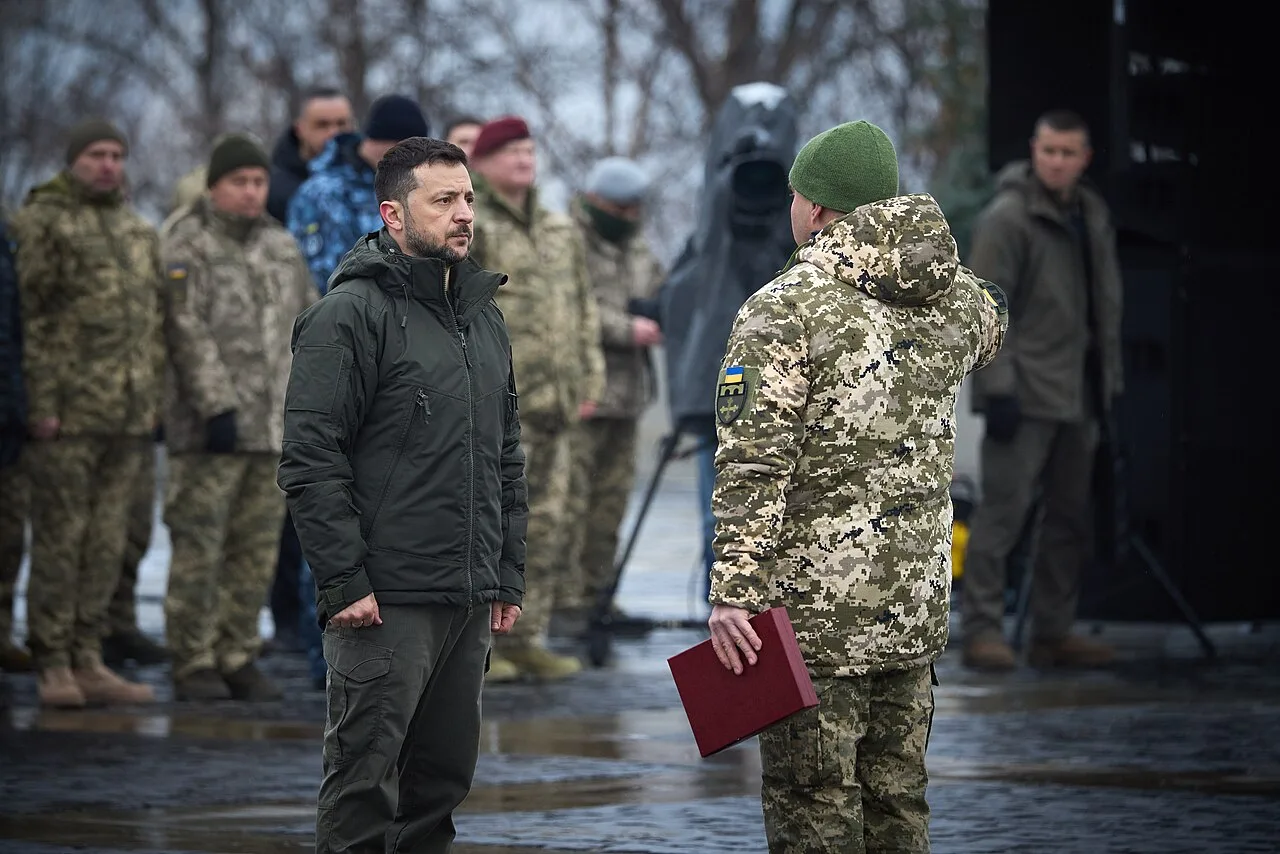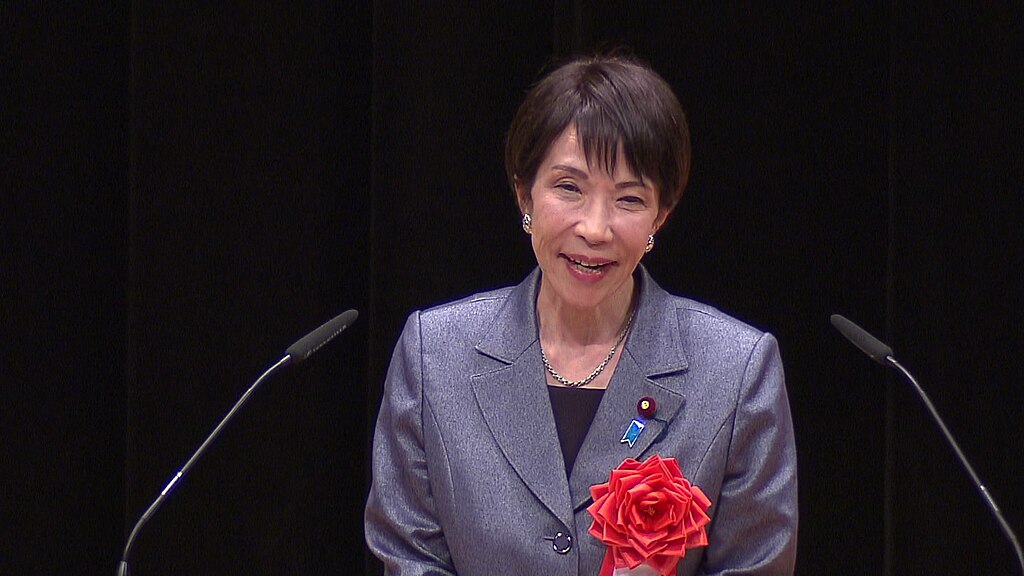
Japan’s recent relaxation of its weapons export rules could pave the way for future discussions on supplying military equipment to Ukraine, according to Kyiv’s ambassador to Tokyo. The policy shift, led by Prime Minister Sanae Takaichi, signals a significant move away from Japan’s traditionally strict postwar pacifist stance and reflects growing global security concerns amid ongoing conflicts.
Ukraine’s ambassador, Yurii Lutovinov, described the development as a “very big step forward,” emphasizing that the revised framework now allows both countries to begin conversations about defense cooperation. While Japan still maintains restrictions on arms exports to active conflict zones, new exceptions tied to national security interests may create opportunities for Ukraine to benefit.
Japan has increasingly linked Ukraine’s security situation to its own, particularly as tensions rise in the Indo-Pacific region due to China’s military expansion. With Japanese territory located close to Taiwan, Tokyo is concerned that instability in Europe could have ripple effects in Asia. This perspective has driven Japan’s largest military buildup since World War II, a strategy that Takaichi has accelerated.
Although there is no official confirmation that Japan will supply weapons to Ukraine, Kyiv is exploring multiple avenues of collaboration. One immediate opportunity lies in investment for Ukraine’s domestic missile defense systems, which could reduce reliance on U.S.-made Patriot missiles currently in short supply.
Additionally, Japan may participate in NATO’s Prioritized Ukraine Requirements List (PURL), a funding initiative that supports the procurement of military equipment. Non-lethal contributions are also being considered within Japan’s legal framework.
Ukrainian officials also highlighted the potential for Japanese companies to supply advanced electronics and micro-components, helping diversify Ukraine’s drone production supply chain. With Ukraine rapidly expanding its drone capabilities, combining Japanese technology with Ukrainian battlefield experience could lead to innovative defense solutions.
This evolving partnership underscores the growing intersection of European and Indo-Pacific security, positioning Japan as a key player in global defense cooperation.