The U.S. Department of Agriculture (USDA) will base its $8 billion farm aid plan on modeled crop losses, while National Black Farmers Association founder and president John Boyd Jr. says the relief falls short.
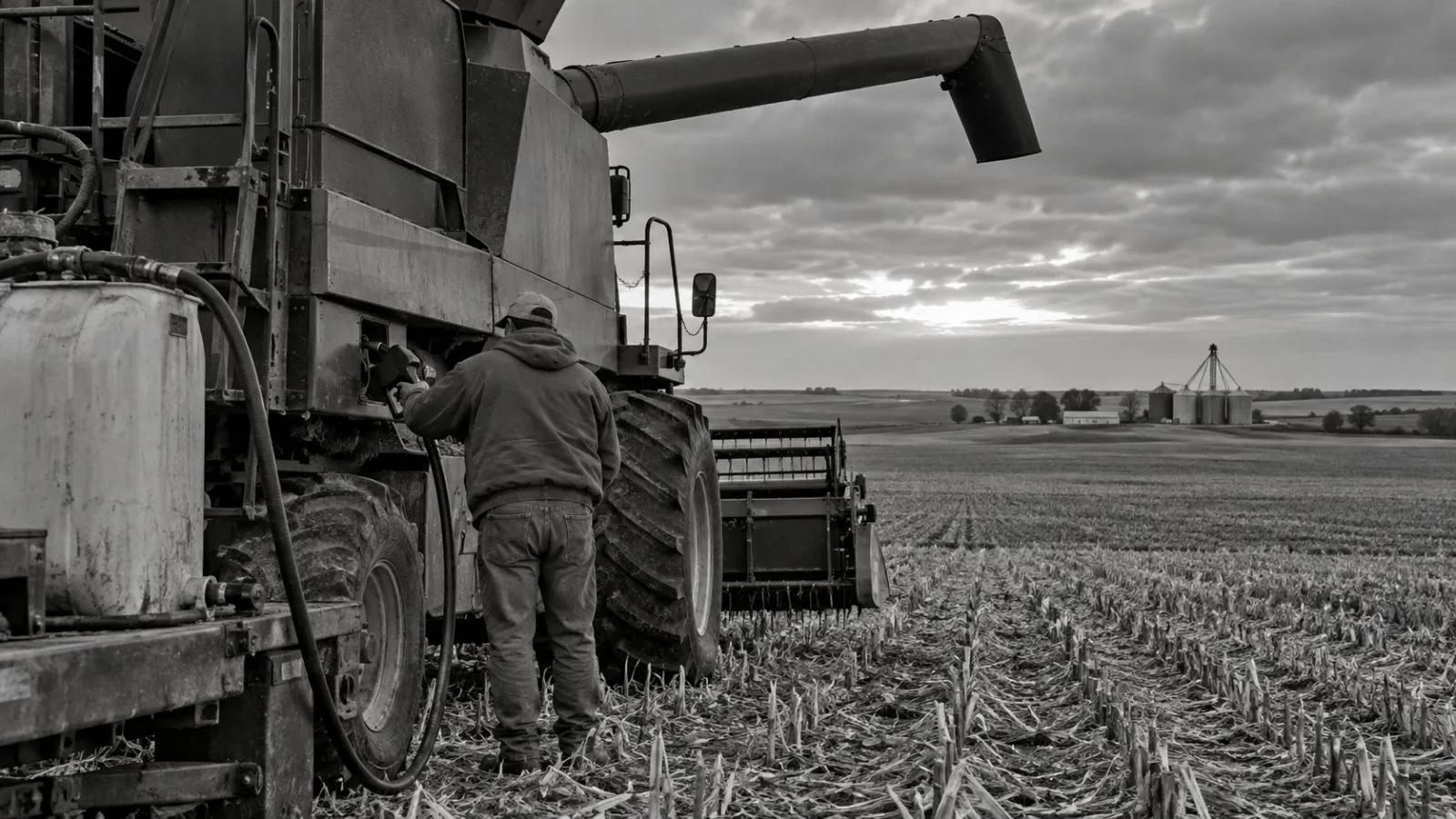
Boyd told CBS News the fund came too late and offered too little. “A dime too late and a dollar too short,” he said. President Donald Trump announced the fund ahead of the midterm elections. At an Oct. 19 campaign event in Kansas, Trump said the aid would help cover diesel use during harvest.
USDA calls the initiative Harvest Fuel Relief and plans one-time payments during the 2026 harvest. Its formula combines reported planted acres with national estimates for production costs, yields and prices to model crop-year losses. Payments are intended to cover part of those modeled losses; the formula does not establish each farmer’s individual loss. USDA has not announced an application period. It expects initial payment rates for Title I commodities in November, with methods for other eligible commodities to follow, according to its program details and payment formula.
Earlier this year, USDA reported that its Farmer Bridge Assistance program had distributed $12 billion in total to more than 560,000 farmers. Harvest Fuel Relief is a separate program based on modeled 2026 losses.
CBS News reported that the Iran war and Trump administration tariffs are adding pressure to farmers’ expenses. USDA’s Economic Research Service (ERS) projected U.S. farm production expenses at $492.8 billion in 2026, 4.5% above its 2025 estimate. It forecast fuel and oil expenses to rise 28.8%, while fertilizer, lime and soil conditioner costs were projected to increase 15.3%. These are national estimates. EconoTimes previously covered the 2026 farm expense projections.
ERS is scheduled to release its next farm income forecast Dec. 2 at 11 a.m. ET.