


 Canton Network Expands in South Korea With Major Partnerships
  Orsted to Take Full Ownership of UK Offshore Wind Farm for £15 Million
  Morgan Stanley Predicts $10 Trillion RWA Market by 2030
  Moonshot AI Executives Seek Settlement Ahead of Hong Kong IPO
  Bank of America Predicts Yen Rebound as USD/JPY Faces Risks
  Elon Musk Donates $366 Million to 2026 US Midterms
  FAA Warns US Airlines Over Saudi Arabia Flight Risks
  Bumble Shares Surge 50% on $1 Billion Buyout Talks
  Most Americans Oppose Election Betting on Prediction Markets, Poll Finds
  Ethereum Foundation-Linked Wallets Move $11.13M in ETH to Kraken
  Albertsons Seeks $9.3 Billion From Kroger Over Failed Merger
  Coinbase CEO Backs SEC Accredited Investor Reform
  Airbus Tests Valkyrie Combat Drone in Europe for Eurofighter Integration
  Samsung, SK Hynix Shares Fall as China's CXMT Advances DRAM Technology
  Hong Kong’s Second Solana ETF Launches With Lower Fees
  Apple Supplier Luxshare Faces US Patent Probe, Sees Limited Impact


 Add as a preferred source on Google
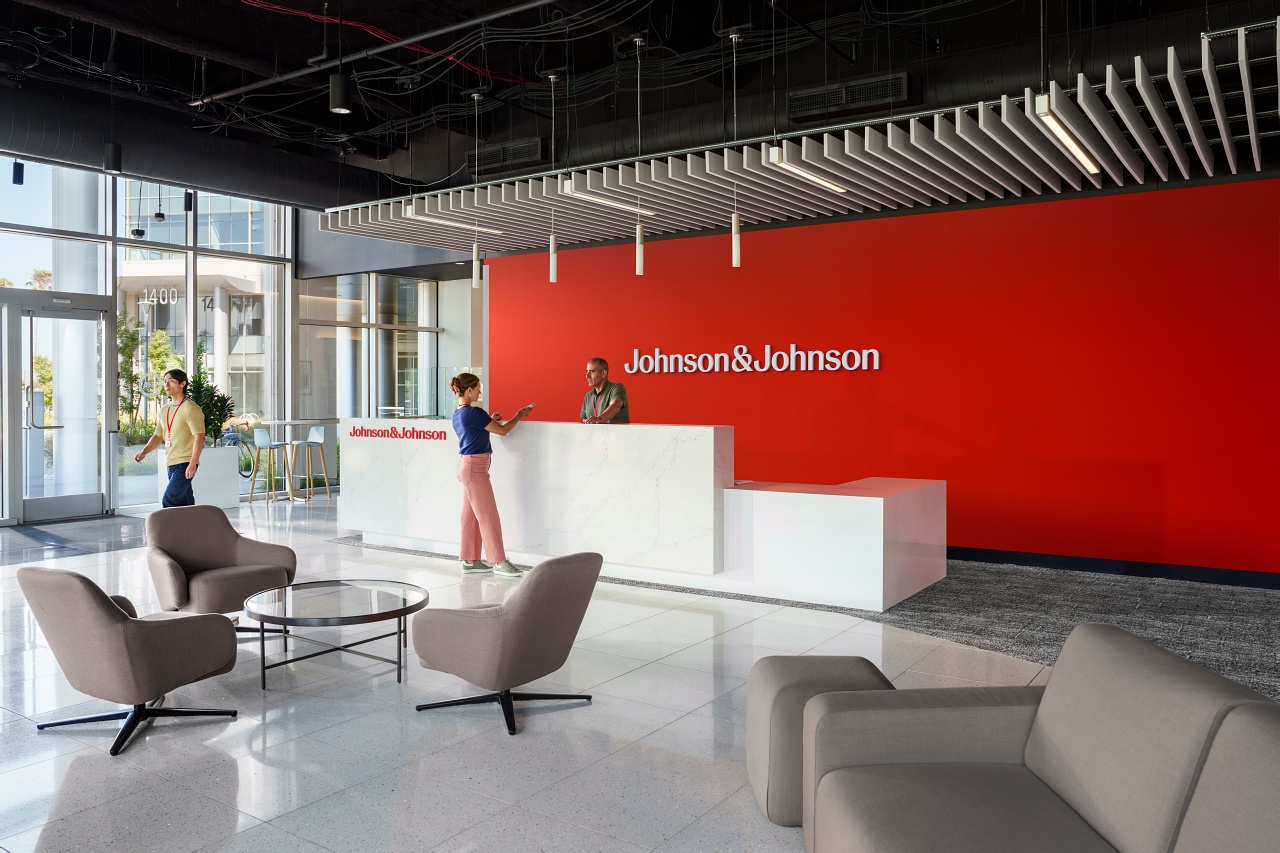
Johnson & Johnson confirmed on Monday, Jan. 8, that it is buying Ambrx cancer treatment developer Ambrx Biopharma for $2 billion. It will be paid in cash, and this acquisition deal comes as the company seeks to fill in a revenue gap expected to come in 2025 when its Stelara drug starts facing generic competition for treating an autoimmune disease called psoriasis.
Move to Diversify and Increase Revenues
According to CNBC, Johnson & Johnson announced the acquisition at the start of the annual JPMorgan Healthcare Conference. This move is seen as J&J’s entry into the ADC market that has recently been infiltrated by its rivals like Merck, Pfizer, and AbbVie, who have also acquired smaller drugmakers to bet on ADC.
The deal is a strategic decision since its top-selling Stelara drug is expected to face competition in the coming years. This means the company is preparing to produce new treatments that can provide revenues in case of a sales slowdown. The deal simply presents new opportunities for Johnson & Johnson, not only financially but also in having the chance to deliver new drugs that can transform cancer treatment and improve patients’ lives.
Terms of the Buyout Deal
As the agreement indicates, Johnson & Johson will pay $28 for every share of Ambrx or double the company’s Friday closing price, which was settled at $13.63. The New Brunswick, New Jersey-headquartered pharma and medical technologies company expects to complete the deal within the first two quarters of this year.
“Ambrx’s ADC technology offers unique advantages in the conjugation of stable antibodies and cytotoxic linker payloads, which results in engineered ADCs that effectively kill cancer cells and limit toxicities,” Johnson & Johnson Innovative Medicines’ area head of global therapeutic, Yusri A. Elsayed, M.D., M.H.Sc., Ph.D., said in a press release. “The results seen to date with ARX517 in mCRPC are promising and represent a potential first- and best-in-class targeted therapy for the treatment of this aggressive disease.”
The innovative medicine unit’s area leader for prostate cancer disease, Margaret Yu, M.D., further commented, “With a median overall survival of less than two years and novel hormonal therapies moving earlier in the disease, significant unmet need remains in the treatment of mCRPC, we see a unique opportunity to harness the potential of this innovative ADC platform, and with our deep understanding of prostate cancer, deliver a targeted PSMA therapeutic for addressing the growing needs of the more than 185,000 patients living with metastatic castration-resistant disease today1.”
Photo by: Johnson & Johnson Media Center







