South Korea’s benchmark KOSPI tumbled nearly 5% on Monday, extending losses after recording its worst monthly decline since the 2008 global financial crisis. Renewed selling in major semiconductor stocks erased much of Friday’s earnings-fueled rebound as investors remained cautious about artificial intelligence (AI) valuations and the outlook for chip demand.
The market had already plunged 22% in July, driven by concerns over slowing AI-related spending, stretched valuations, and heavy retail participation. Monday’s decline reflected continued pressure on technology shares despite strong quarterly earnings from the country’s leading chipmakers.
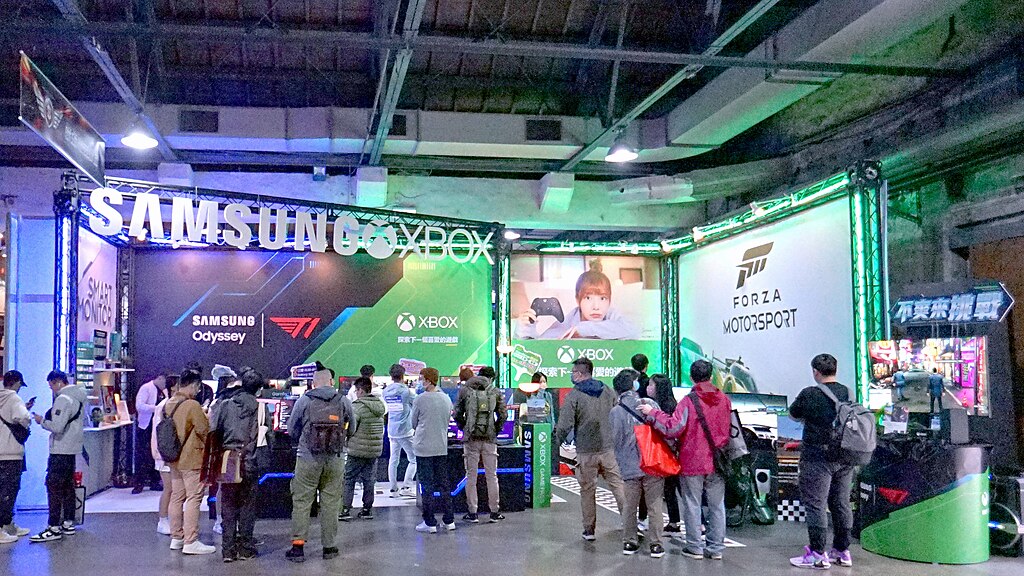
Samsung Electronics fell around 8%, while SK Hynix dropped more than 7%, weighing heavily on the broader index. Together, the two memory-chip giants represent more than half of the KOSPI’s total weighting, making the benchmark especially vulnerable to shifts in investor sentiment toward AI-linked stocks.
Last week, Samsung reported a more than 250-fold increase in semiconductor operating profit and announced multi-year supply agreements with major data center operators. The company also warned that global memory shortages could continue through 2028, signaling sustained long-term demand. SK Hynix posted record quarterly earnings, but investors questioned whether expectations for AI-driven growth had become overly optimistic after the sector’s strong rally over the past 18 months.
The sharp correction highlighted how crowded AI-related investments had become. During July, Samsung shares declined 21%, while SK Hynix lost 35%, although both remain significantly higher than their levels a year ago.
Market volatility also intensified, with trading in KOSPI-listed companies halted four times in July due to circuit breakers—a record for the South Korean market.
Retail investors had invested an estimated 78 trillion won ($54.2 billion) into KOSPI stocks during May and June, encouraged by government-backed market reforms and the launch of single-stock leveraged exchange-traded funds. Regulators later suspended new leveraged ETF listings and pledged additional measures to curb excessive speculation and stabilize markets.
Despite the recent selloff, the KOSPI remains among the world’s strongest-performing major equity indexes in 2026, with investors closely watching whether solid corporate earnings and resilient AI spending can revive confidence in South Korea’s technology sector.