Nigeria’s official food-inflation rate was 19.59% in September 2026, and a BusinessDay survey found October increases in prices for three staples in Lagos, adding pressure to household budgets.
The National Bureau of Statistics (NBS) reported the September rate, which was slightly above 19.57% in August and below 20.31% in July. Those figures measure annual food inflation; the market survey tracked prices for individual goods over a month.
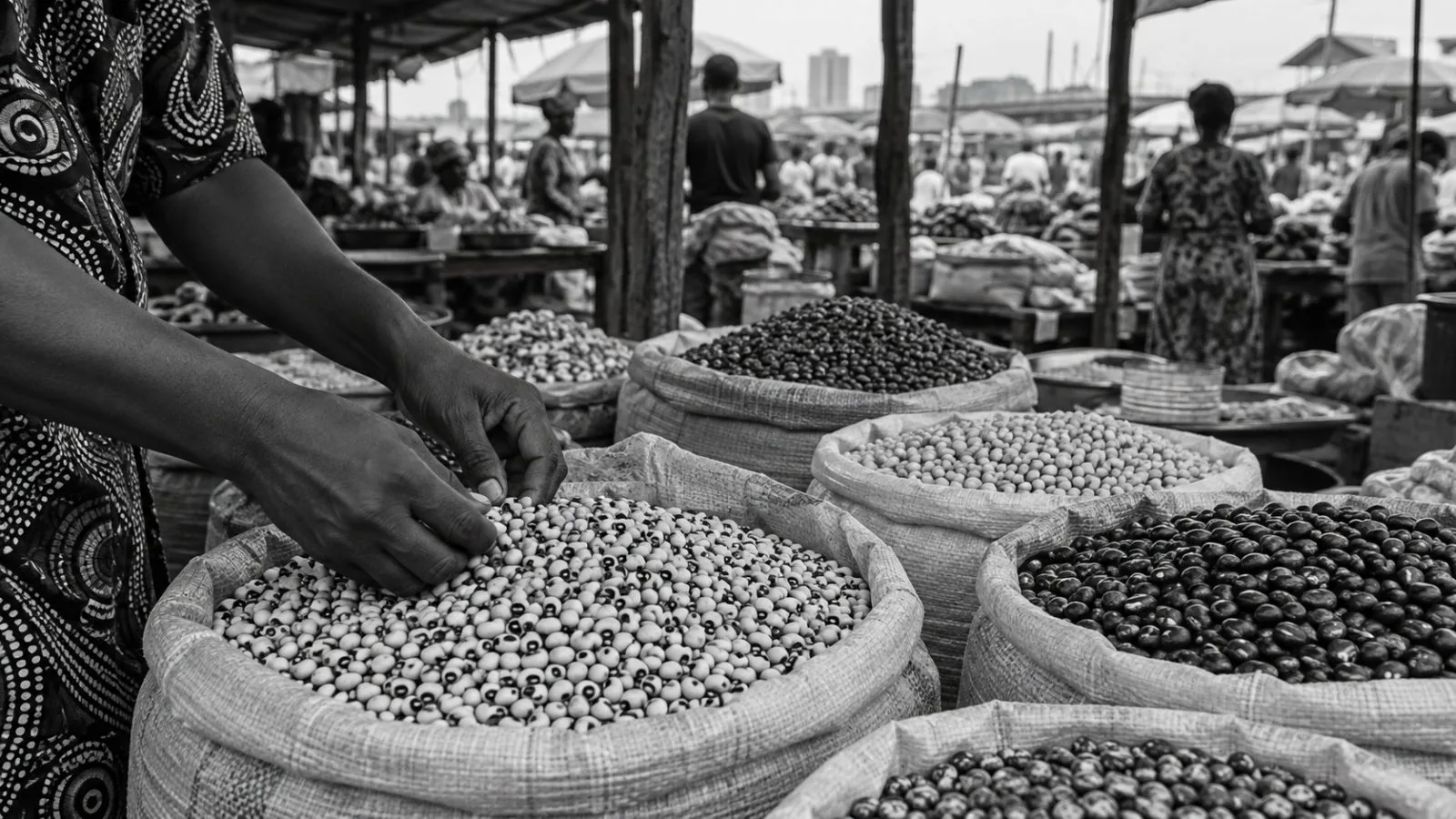
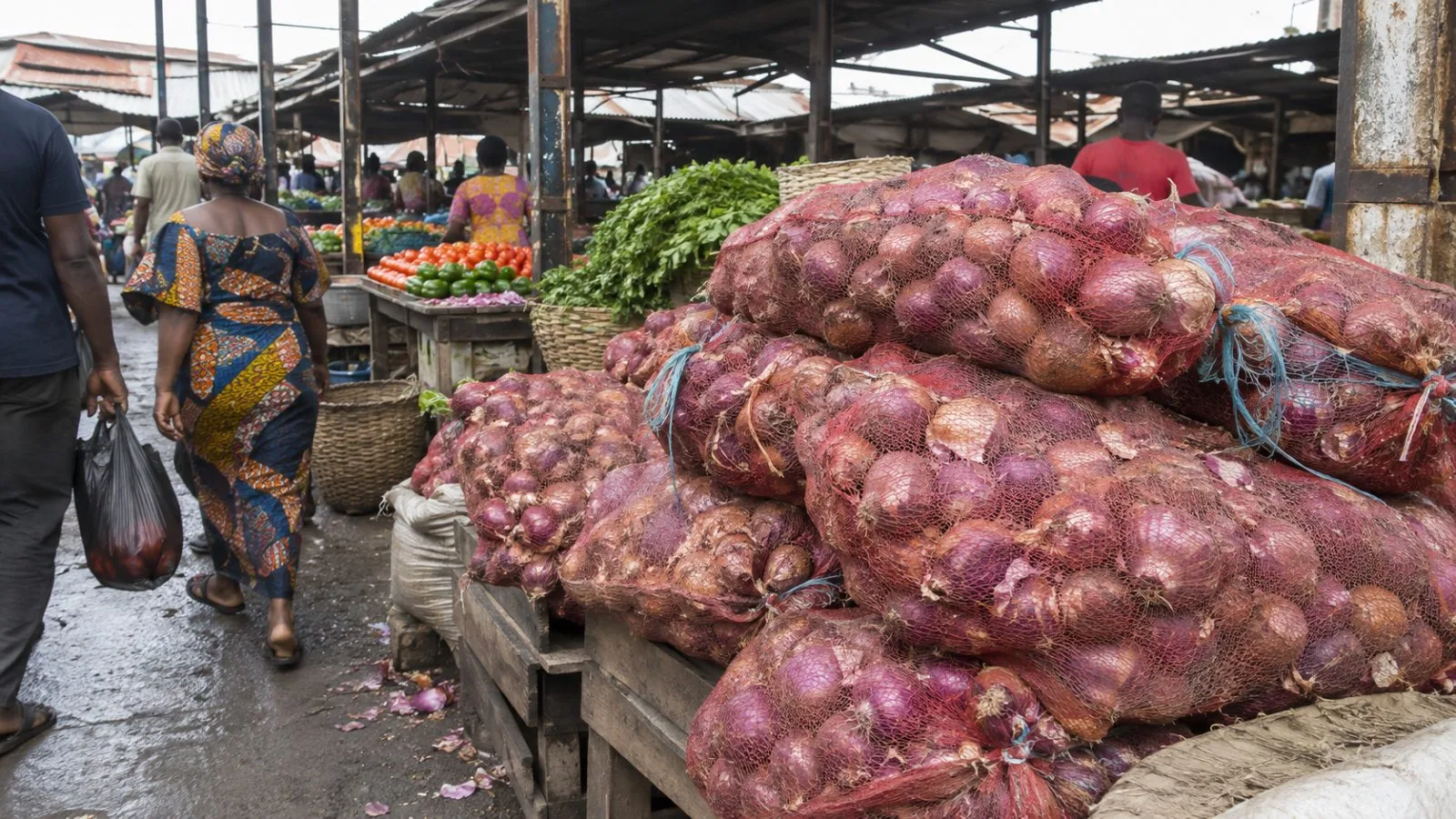
BusinessDay’s October survey of the Mile 12 and Ketu markets found varied price changes. A 50-kilogram sack of foreign parboiled rice averaged 72,000 naira, up from 58,000 in September, while local parboiled rice rose to 65,000 naira from 54,000. A 100-kilogram sack of maize cost 50,000 naira, compared with 28,000 a month earlier. Onions saw the largest increase: a 100-kilogram sack reached 320,000 naira, up from 65,000. The outlet said tomato prices fell and some other items were unchanged or cheaper.
Traders told BusinessDay that transport costs and limited supplies were adding pressure. Mile 12 trader Musa Idris said bringing an onion sack from the north to Lagos cost 25,000 naira, citing fuel and diesel expenses. Ketu trader Rotimi Dairo said some sellers were holding rice and maize for December, anticipating higher prices and profits, which reduced the grain available now.
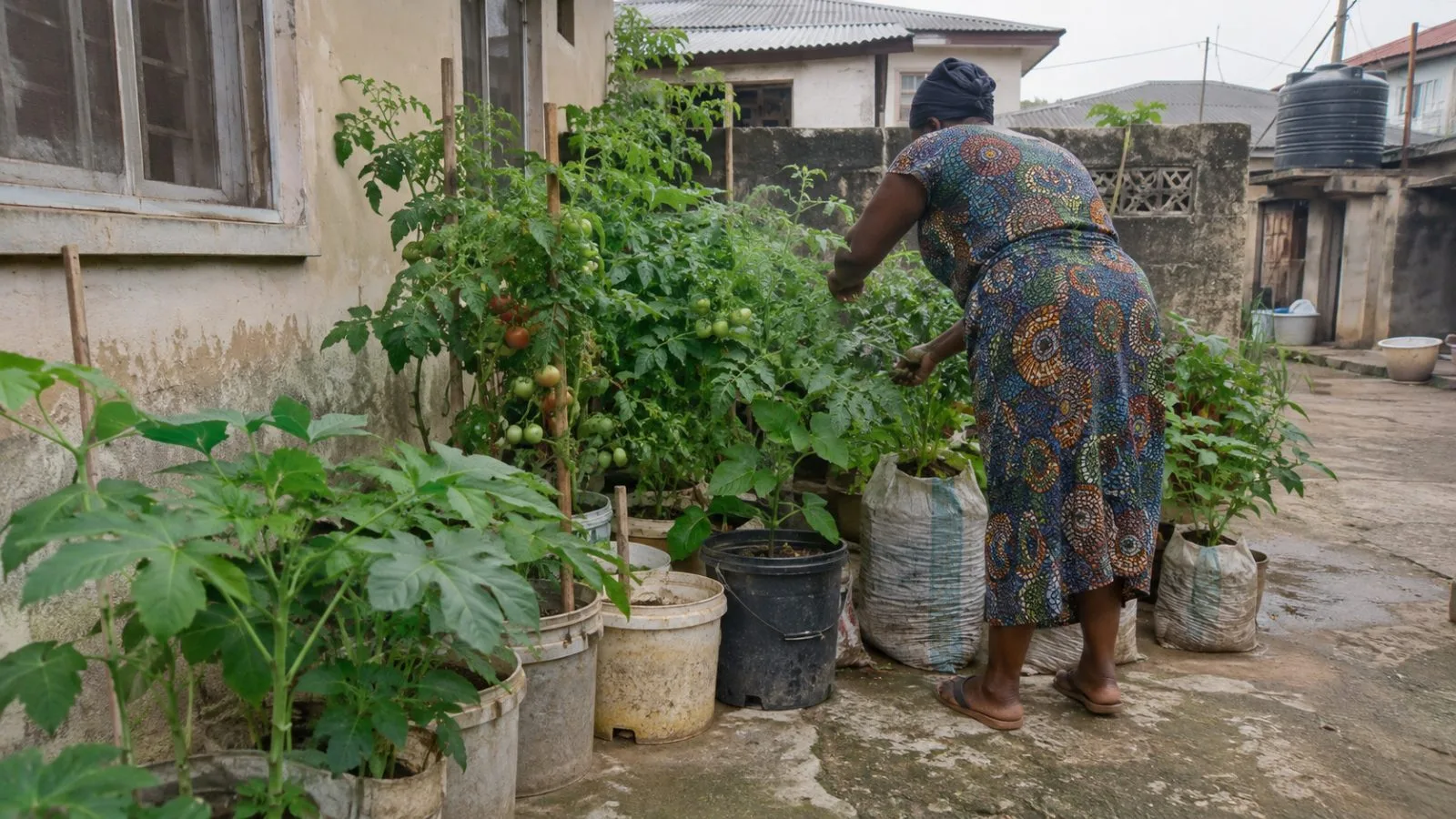
BusinessDay also quoted trader Aderonke Odulate, who said prices usually rise ahead of Christmas and New Year. EconoTimes previously reported on Nigerians growing food at home as they manage high costs.
Nabila Mohammed, a research analyst at Chapel Hill Denham, forecast an increase in food inflation in October. She said harvest-season supplies had helped food inflation decline sharply in August and by a smaller amount in September. That account conflicts with the figures in BusinessDay’s report, which show the annual rate rising from 19.57% in August to 19.59% in September.