


 Trump Says He Deserves 2026 Nobel Peace Prize Despite Uncertain Chances
  EU Rejects Italy, Greece Calls for Fiscal Rule Flexibility
  Saudi Airport Attacks Kill Three as Yemen Fighting Escalates
  Zelenskiy Criticizes US as Russian Strikes Kill 78 in Ukraine
  US Pressures Allies to Distance From Anti-Disinformation Conference
  US, Greece Launch New Counterterrorism Security Program
  Maduro, Wife May Face New US Torture Charges
  Zelenskiy Slams US Over Deadly Russian Strikes on Ukraine
  Trump Weighs FBI Probe Into Nolan Wells’ Death
  RFK Jr. Launches Nationwide Vaccine Safety Review
  Trump Buys Up to $25M in Meta Stock, Invests in SpaceX Debt
  Pentagon Orders Iran Strike Preparations as Trump Weighs Military Action
  Saudi Arabia Probes Flydubai Cockpit Attack
  Berlin Coalition Talks Advance After Left Party Antisemitism Deal
  Hegseth Praises USS Abraham Lincoln Crew After Record Iran War Deployment
  Flavio Bolsonaro Leads Lula 49%-45% in Brazil Runoff Poll
  Iran Refuses to Halt Uranium Enrichment Amid US Nuclear Demands


 Add as a preferred source on Google
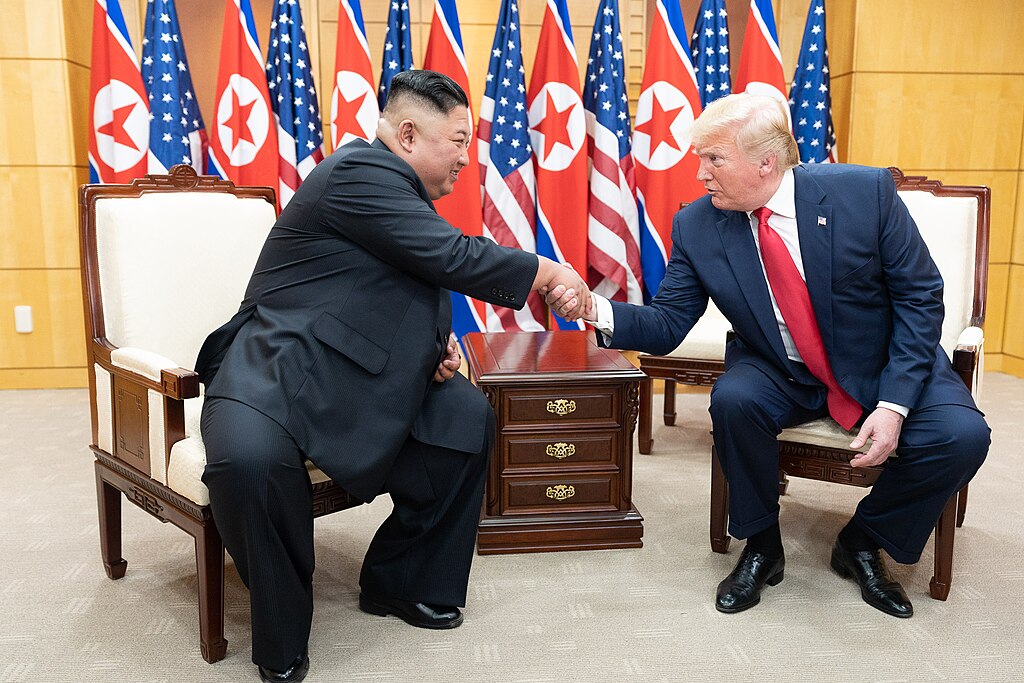
North Korean leader Kim Jong Un has pledged to accelerate the expansion of North Korea’s nuclear weapons program, emphasizing that future relations with the United States depend entirely on Washington’s stance toward Pyongyang. According to state media outlet KCNA, Kim made the remarks as the country concluded its week-long Ninth Congress of the ruling Workers’ Party with a large military parade in Pyongyang.
Kim stated that North Korea’s “international status has risen extraordinarily” and reaffirmed the government’s commitment to strengthening its position as a nuclear state. He stressed that the party’s firm policy is to further expand and enhance the nation’s nuclear capabilities. Plans include increasing the number of nuclear weapons and diversifying nuclear operational systems to reinforce deterrence.
KCNA also reported that North Korea aims to develop more advanced intercontinental ballistic missiles (ICBMs), AI-powered attack systems, and unmanned drone technology. These initiatives are part of a broader five-year strategy designed to solidify the country’s military strength and strategic defense posture.
Despite the strong rhetoric, Kim left room for potential diplomatic engagement with the United States. He indicated that improved North Korea-U.S. relations would be possible if Washington abandons what he described as a confrontational policy and recognizes Pyongyang’s current status. However, Kim has not responded to outreach efforts from U.S. President Donald Trump, whom he met three times during Trump’s first term.
Tensions with South Korea remain high. Kim labeled South Korea the “most hostile enemy” and rejected dialogue with Seoul, criticizing the conciliatory approach of South Korean President Lee Jae Myung’s administration. Since taking office last June, Lee has sought to ease inter-Korean tensions, but Pyongyang has dismissed these overtures.
Kim warned that North Korea could take “arbitrary action” if South Korea engages in what he called provocative behavior, adding that the possibility of South Korea’s “complete collapse” cannot be ruled out.







