
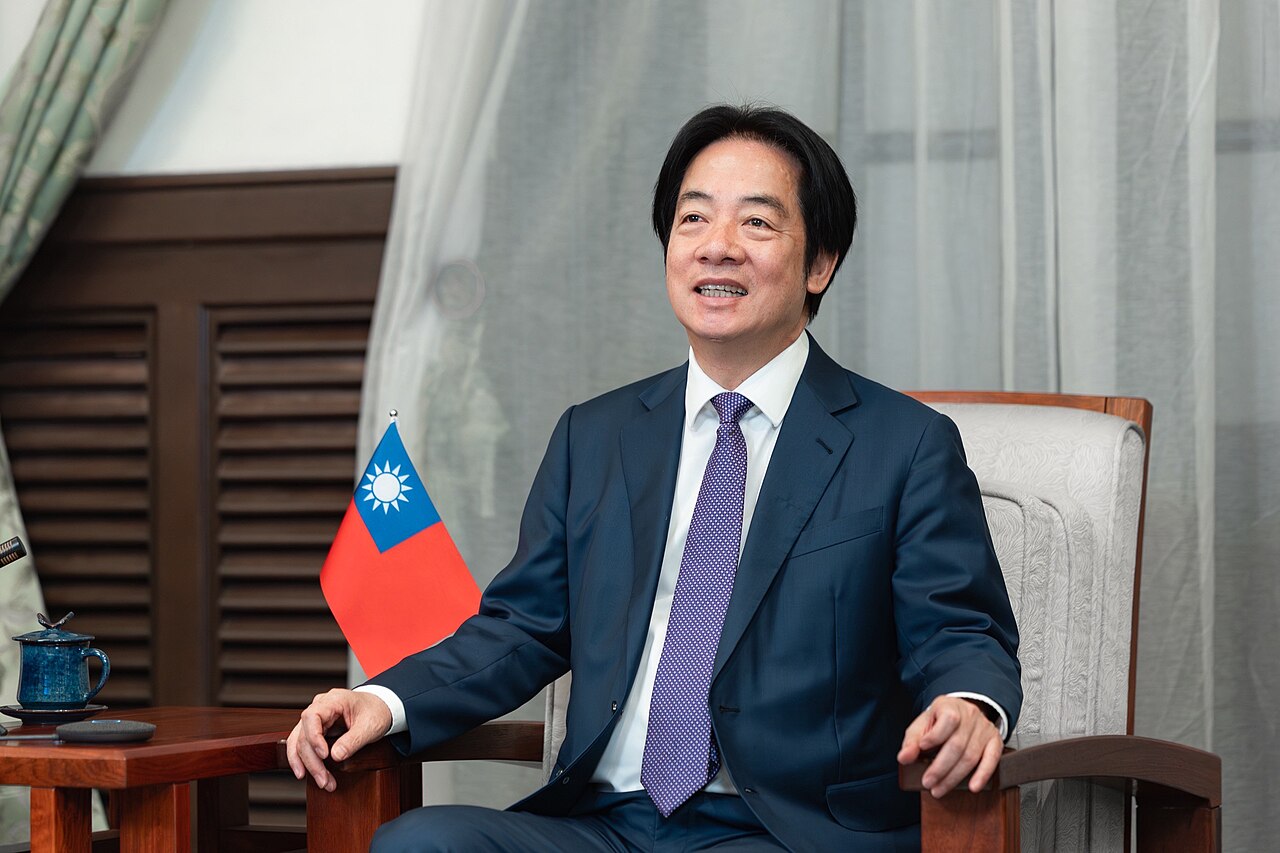
Taiwan Foreign Minister Lin Chia-lung said on Monday that a potential phone call between U.S. President Donald Trump and Taiwan President Lai Ching-te would be welcomed by Taipei, though any initiative depends entirely on Trump. The remarks come amid growing attention over future U.S.-Taiwan relations and rising tensions between Washington and Beijing.
Speaking during a parliamentary session, Lin stated that Taiwan views the possibility of direct communication between the two leaders as a positive development. However, he confirmed there have been no formal planning discussions or bilateral consultations regarding such a call.
A direct conversation between a sitting U.S. president and a Taiwanese leader would be historically significant. Since the United States shifted diplomatic recognition from Taipei to Beijing in 1979, no U.S. and Taiwanese presidents have spoken directly. China considers Taiwan part of its territory and strongly opposes official interactions between Taipei and Washington.
Trump recently repeated that he plans to speak with President Lai, reinforcing comments he first made after meeting Chinese President Xi Jinping earlier this month. His statement fueled speculation about a possible shift in U.S. policy toward Taiwan.
President Lai previously said that if given the opportunity to speak with Trump, he would emphasize that China is threatening regional peace and that no country has the right to annex Taiwan. Beijing has repeatedly labeled Lai a separatist, while Taiwan continues to reject China’s sovereignty claims.
The issue also carries strategic importance due to a proposed $14 billion U.S. arms package for Taiwan, which Trump has not yet approved. In December, Washington authorized $11 billion in military sales to Taiwan, marking the largest arms deal so far.
Despite the discussion surrounding a possible Trump-Lai call, both Washington and Taipei insist that longstanding U.S. policy toward Taiwan remains unchanged.


