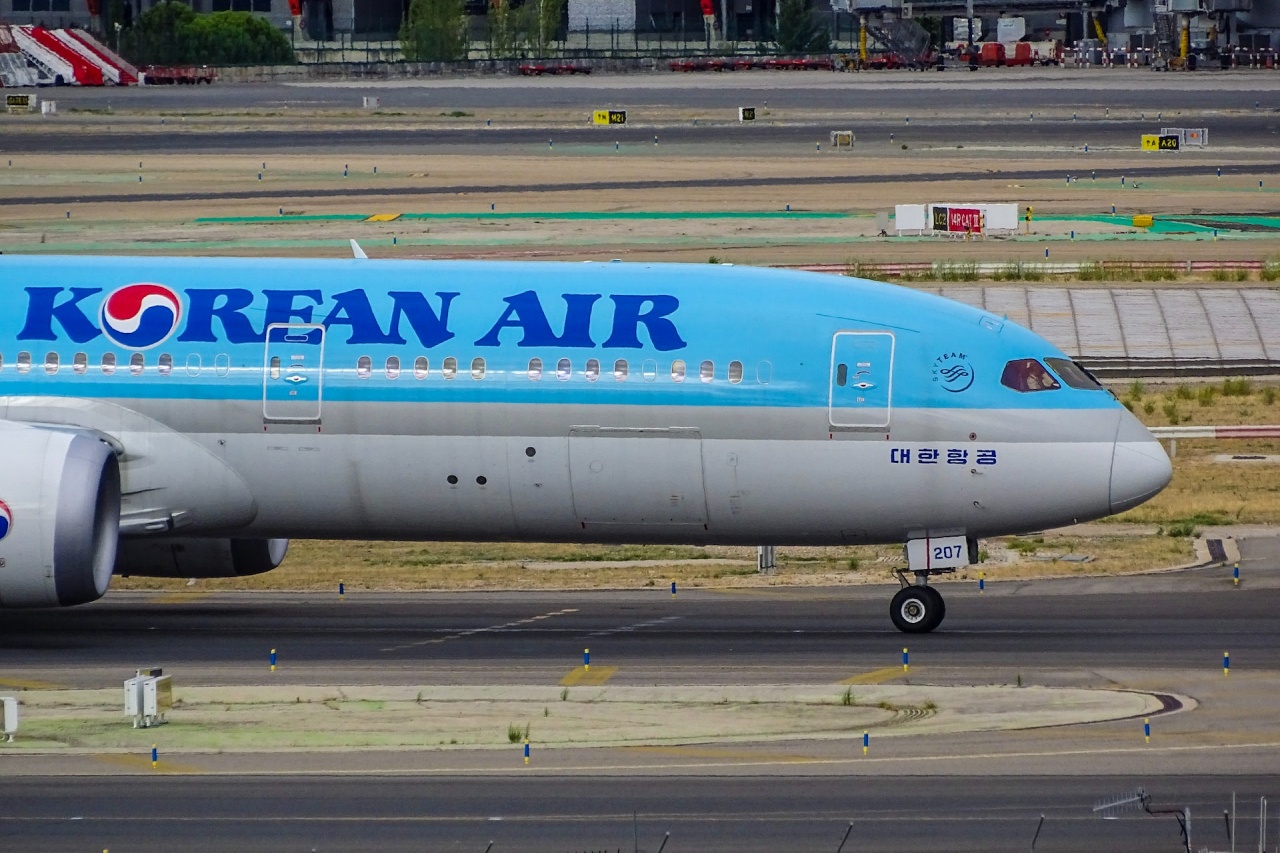
Korean Air and Asiana Airlines’ merger is moving forward in a positive way as China also gave its approval for the deal. With the Chinese anti-trust regulator’s “go ahead” signal, the airlines are now waiting for the remaining four countries to approve as well.
Korean Air said on Tuesday, Dec. 27, that China finally approved its consolidation with Asiana Airlines, which is a smaller company that has been its local rival. The flag carrier of South Korea revealed that before the Ministry of Commerce of the People's Republic of China granted the approval, it has asked the merged Korean Air and Asiana unit to lessen its market share because of some concerns over competition.
According to Yonhap News Agency, the airline responded to the demand by submitting solutions in case of a possible monopoly on nine avenues between the two countries. Moreover, the company forwarded documents to the antitrust regulators in 14 countries In January 2021 for them to review its merger with Asiana Airlines.
So far, Korean Air has already secured approval from 10 nations, including the Philippines, South Korea, Singapore, Australia, Thailand, Turkey, Taiwan, Vietnam, China, and Malaysia. It is now waiting to receive an “okay” from the European Union, Britain, the United States, and Japan.
In any case, Korean Air and Asiana’s acquisition deal will create one of the biggest airlines in the world, securing the 10th place based on fleet size. This will also make the former the largest shareholder of the latter by owning a 63.9% stake once the deal is completed. Korean Air is investing $1.5 billion in the purchase of a controlling stake in Asiana.
Meanwhile, it was predicted that Britain would also approve this merger. In a report earlier this month, it was said that the region’s antitrust regulator is more likely to allow the deal to proceed since Korean Air already offered solutions to resolve the monopoly concerns. Britain's Competition and Markets Authority (CMA) is expected to hand out its final decision on the deal as early as Jan. 26, 2023, but not later than March 23.
Photo by: Miguel Ángel Sanz/Unsplash