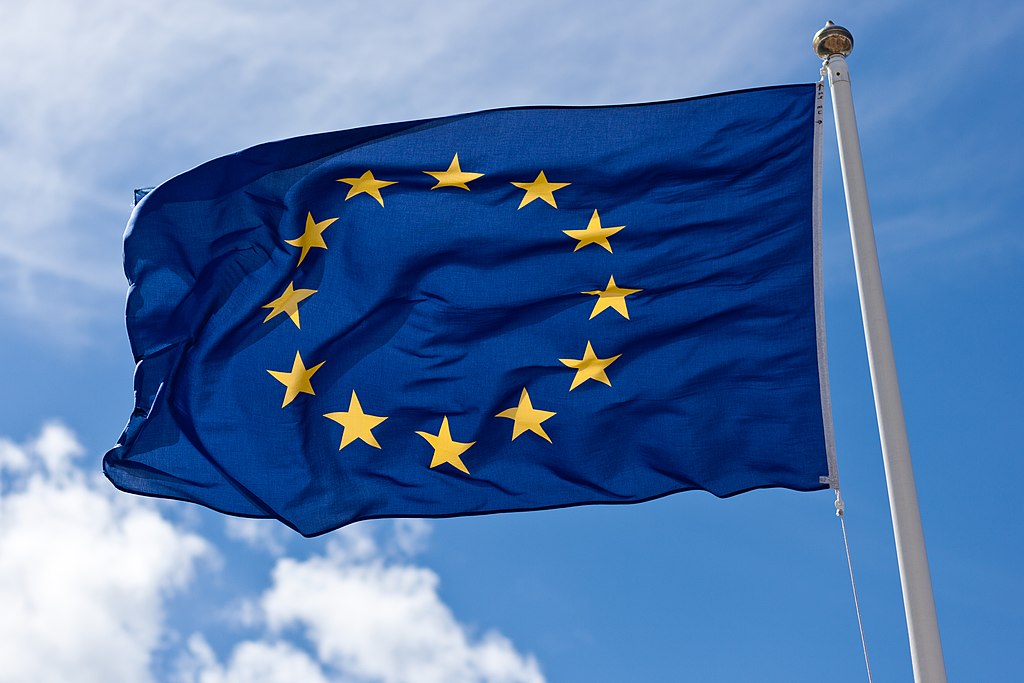
The European Union has decided to delay the formal signing of its long-anticipated free trade agreement with the Mercosur bloc, as EU leaders convened in Brussels to prioritize discussions on funding Ukraine’s war effort. The announcement was confirmed by European Commission President Ursula von der Leyen, who stated that the EU and its Mercosur partners had mutually agreed to slightly postpone the signing ceremony.
Despite the delay, von der Leyen emphasized that the EU-Mercosur trade agreement remains critically important for Europe’s economic and strategic interests. The agreement involves Argentina, Brazil, Paraguay, and Uruguay, and once finalized, it would create one of the largest free trade areas in the world, significantly boosting trade flows between Europe and South America. The deal is expected to reduce tariffs, improve market access, and strengthen economic cooperation across key sectors such as agriculture, manufacturing, and services.
The postponement comes as European leaders focus on developing a comprehensive financial plan to support Ukraine over the next two years amid its ongoing war with Russia. Funding Ukraine’s defense and economic stability has become a top priority for the EU, and these discussions reportedly took precedence over the symbolic but important signing of the trade pact. Officials have not announced a new date for when the Mercosur agreement will be formally signed.
Negotiations over the EU-Mercosur free trade agreement have spanned several years and faced multiple challenges, including concerns over environmental standards, agricultural competition, and political resistance within some EU member states. Reaching the current stage of the agreement was seen as a major breakthrough after prolonged talks and revisions aimed at addressing sustainability and climate commitments.
While the delay may raise questions about timing, EU officials have stressed that it does not signal a lack of commitment. Instead, it reflects the bloc’s need to manage urgent geopolitical priorities alongside long-term economic partnerships. As Europe balances its support for Ukraine with global trade ambitions, the EU-Mercosur agreement remains a key component of its broader trade strategy and is expected to move forward once immediate political discussions conclude.