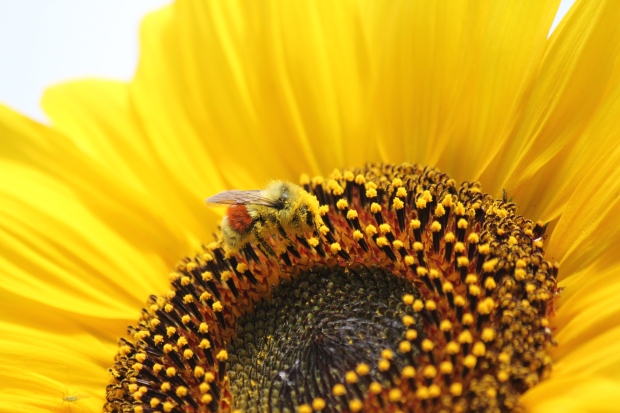
A group of South Korean scientists from Nanyang Technological University in Singapore managed to develop 3D printing ink material from sunflower pollen.
The research team led by professor Cho Nam-joon first incubated sunflower pollen in an alkaline solution for six hours before converting the resulting hard pollen grains into softer microgel particles.
The particles were then mixed with alginic acid or hyaluronic acid to create a pollen-hydrogel compound ink.
While existing hydrogel-based bio-inks lack strength following the printing process, making it difficult to maintain a three-dimensional shape and structure, the newly-developed pollen-based bio-ink maintained the structural integrity after printing.
The pollen-based bio-ink can replace the current ink used for 3D printing or bio-printing in biomedical areas.

South Korea Exports Hit Record High as Global Trade Momentum Builds
Asian Markets End Year on AI Optimism as Precious Metals and Currencies Shine
U.S. Stock Futures Slip as Year-End Trading Turns Cautious
SpaceX Starship Test Flight Reaches New Heights but Ends in Setback
Neuralink Expands Brain Implant Trials with 12 Global Patients
NASA Faces Major Workforce Reduction as 20% of Employees Prepare to Leave
CDC Vaccine Review Sparks Controversy Over Thimerosal Study Citation
FDA Lifts REMS Requirement for CAR-T Cell Cancer Therapies
NASA Astronauts Wilmore and Williams Recover After Boeing Starliner Delay
South Korea Factory Output Misses Forecasts in November Amid Ongoing Economic Uncertainty
South Korea Factory Activity Returns to Growth in December on Export Rebound
Asia Manufacturing PMI Rebounds as Exports and Tech Demand Drive Growth into 2026
Lost in space: MethaneSat failed just as NZ was to take over mission control – here’s what we need to know now
U.S. Dollar Slides Toward Biggest Annual Loss Since 2017 as 2026 Risks Loom
Astronomers have discovered another puzzling interstellar object − this third one is big, bright and fast
Ancient Mars may have had a carbon cycle − a new study suggests the red planet may have once been warmer, wetter and more favorable for life 


