


 New Mexico Measles Outbreak Cost Reached $5.4 Million, Study Finds
  Trump Administration Releases New UFO Files and Apollo Mission Records
  HUTCHMED, AstraZeneca Seek FDA Approval for Lung Cancer Combo
  Sanofi, Regeneron Expand Drug Partnership in $8 Billion Deal
  Blue Origin New Glenn Rocket Explodes During Launch Pad Test, Delaying Space Ambitions
  FDA Pilot Program Eases Rules for Nicotine Pouch Makers
  Venezuela Earthquake Health Risks Rise as Disease Monitoring Intensifies
  Eli Lilly’s Inluriyo Gains FDA Approval for Advanced Breast Cancer Treatment
  Novo Nordisk Strikes €1.17 Billion Nanexa Drug Delivery Deal
  U.S. Issues Cuba Health Alert as Illnesses Rise
  NASA's Artemis II Crew Arrives in Florida for Historic Moon Mission
  NASA Artemis II: First Crewed Moon Mission Since Apollo Takes Four Astronauts on 10-Day Lunar Journey
  Trump Signs Order to Cut Routine Childhood Vaccines
  Neuralink Plans High-Volume Brain Implant Production and Fully Automated Surgery by 2026
  Cogent Biosciences Soars 120% on Breakthrough Phase 3 Results for Bezuclastinib in GIST Treatment


 Add as a preferred source on Google
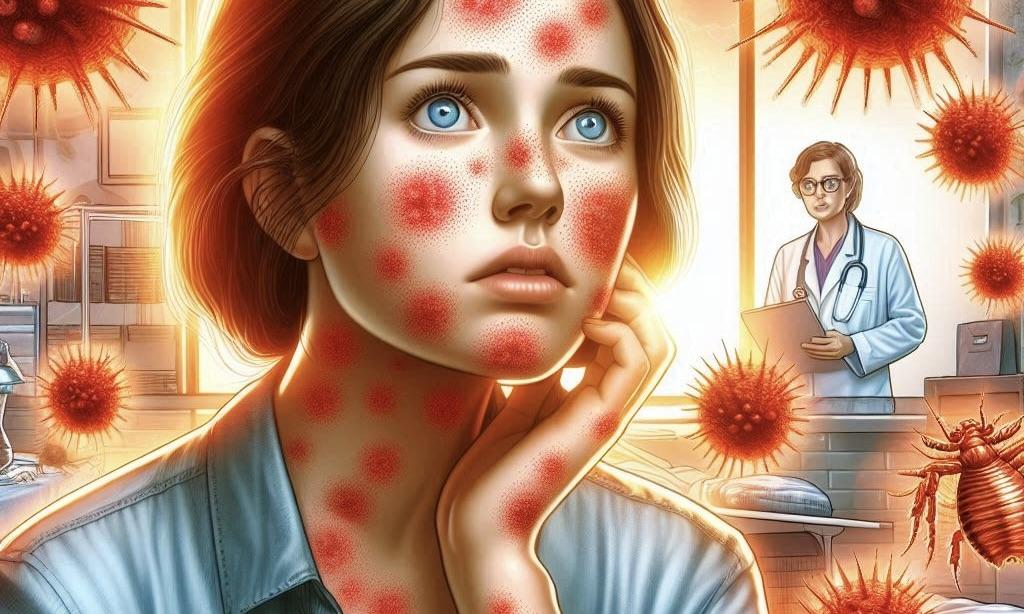
Doctors in the United Kingdom are sounding the alarm over a dramatic rise in scabies cases, urging residents not to dismiss any signs of the itchy skin condition. Recent data shows that hospitals detected approximately 3,689 cases of scabies in England in the year ending April 2024, a significant increase from 2,128 cases the previous year.
Professor Kamila Hawthorne, Chair of the Royal College of GPs, stated, “While not a serious condition, scabies can be very itchy and irritating, and can be easily contracted through close physical contact.” This infectious skin disorder is often spread in environments where people live in close quarters, such as university dormitories, making the rise in cases particularly concerning.
The Controversial Spike
The uptick in scabies cases has sparked debate among healthcare professionals and the public alike, especially regarding the stigma associated with the condition. Hawthorne added, “We recognize patients may be apprehensive to seek treatment given the social stigma that surrounds the condition.” She emphasized the importance of not ignoring symptoms, warning that untreated scabies can lead to complications, including secondary skin infections.
As the rate of scabies infections climbs above the five-year average, concerns are particularly high in Northern England. Experts assert that although cases remain infrequent, the increase is alarming enough to warrant immediate attention.
Dr. Will Welfare, Director of Regions at the UK Health Security Agency, reiterated that scabies is not caused by poor hygiene, saying, “Anyone can get it.” He underscored the importance of early treatment, which usually involves topical creams like permethrin or malathion, available over the counter or by prescription.
What to Look Out For
Scabies is caused by a mite that burrows into the skin, leading to intense itching and irritation. People experiencing an itchy rash, especially if it appears in clusters or in common areas like the groin or underarms, should seek medical advice immediately. The condition can spread quickly, making prompt treatment crucial.
The potential consequences of neglecting treatment are serious. Dr. Alison George, a GP in Northern England, highlighted that students are frequently arriving at emergency departments after scabies symptoms have worsened, often due to delays in seeking help.
Hawthorne urged people to wash all bedding and clothing at high temperatures during treatment and to avoid close contact with others until they have completed their treatment. “We must break the stigma surrounding this condition,” she said. “Ignoring the symptoms could not only worsen the individual's condition but also lead to an outbreak in communal living settings.”
As scabies cases continue to rise, healthcare professionals stress the need for awareness and action. Residents are reminded that effective treatments are readily available and that seeking help is the first step in addressing the issue.
In closing, Professor Hawthorne’s stark warning resonates: “Don’t ignore that rash! It can be really nasty. It is then really difficult to treat if you’ve got a really large area of the body covered in it.”







