


 Australia Tightens Student Visa Rules, Targets Migration Cut by 2028
  Tabletop particle accelerator could transform medicine and materials science
  U.S. Probes Apex Logistics Over Nvidia AI Chip Shipments to China
  Neuralink Expands Brain Implant Trials with 12 Global Patients
  NASA Artemis II: First Crewed Moon Mission Since Apollo Takes Four Astronauts on 10-Day Lunar Journey
  Trump and Merck KGaA Partner to Slash IVF Drug Costs and Expand Fertility Coverage
  Nvidia-Groq AI Chip Deal Faces U.S. Antitrust Probe
  Brazil Warns EU of Retaliation Over Animal Products Ban
  U.S. Issues Cuba Health Alert as Illnesses Rise
  Jared Isaacman Confirmed as NASA Administrator, Becomes 15th Leader of U.S. Space Agency
  Texas Republicans Turn Against AI Data Centers as Election Backlash Grows
  U.S. Imposes New Visa Restrictions Over South Africa Policies
  Who should own the knowledge that underpins AI technology?
  ICE Agent Arrested in Minneapolis Over Venezuelan Man Shooting


 Add as a preferred source on Google
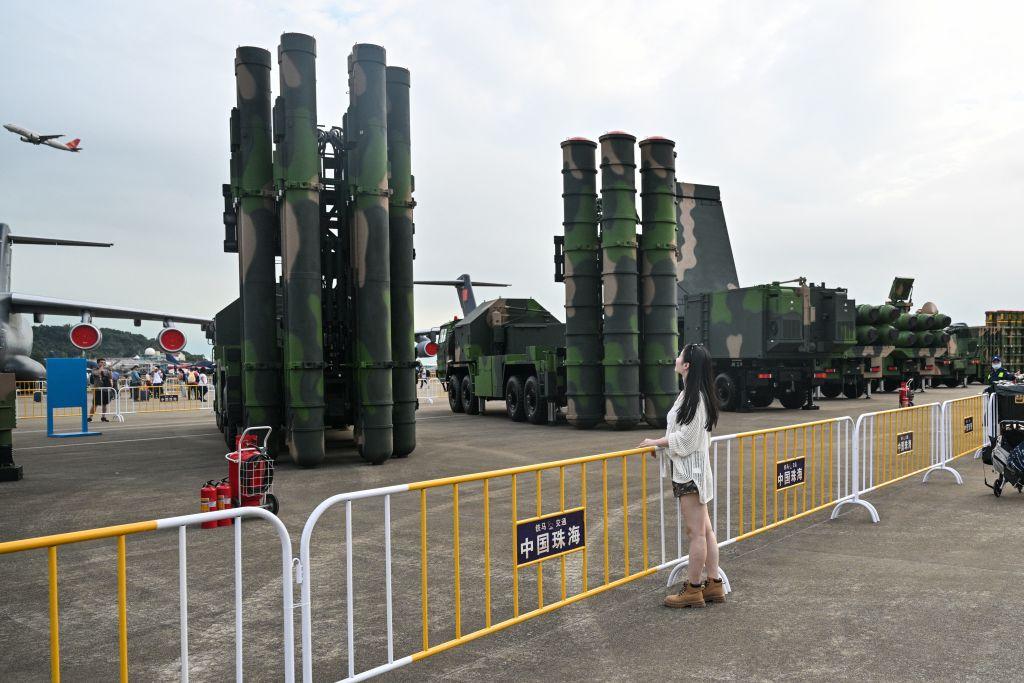
The Philippines has announced plans to acquire the U.S.-developed Typhon missile system to bolster its maritime defense capabilities. This decision has elicited strong reactions from China, which warns that such a move could trigger a regional arms race.
Philippines' Defense Strategy
Lieutenant General Roy Galido of the Philippine Army confirmed ongoing negotiations for the acquisition of a midrange missile system, emphasizing its importance for national defense. He stated, "Yes, there are plans, there are negotiations, because we see its feasibility and adaptability." The Typhon system, capable of launching both Standard Missile 6 and Tomahawk missiles, would enhance the Philippines' ability to project force within its exclusive economic zone, in coordination with the navy and air force.
China's Response
China has expressed strong opposition to the Philippines' plans. Foreign Ministry spokesperson Mao Ning labeled the potential deployment as "an extremely irresponsible choice," suggesting it could intensify geopolitical confrontation and spark an arms race in Southeast Asia. China's concerns are heightened by the U.S. military's presence in the region, particularly the deployment of the Typhon system in the northern Philippines earlier this year.
Regional Implications
The Philippines' decision to pursue advanced missile capabilities reflects its commitment to enhancing national security amid ongoing territorial disputes in the South China Sea. The move aligns with broader defense modernization efforts, including increased military budgets and the development of new naval and air bases. However, China's warnings highlight the delicate balance of power in the region and the potential for escalating tensions.
Public Reaction
The announcement has sparked diverse reactions on social media. Twitter user @MaritimeDefender commented, "Strengthening our defense is essential for protecting our sovereignty." In contrast, @PeaceAdvocate expressed concern, stating, "This arms buildup could lead to increased regional instability." Meanwhile, @AsiaPacificWatch noted, "The geopolitical chess game in Southeast Asia is becoming more complex."
User @DefenseAnalyst remarked, "Acquiring the Typhon system is a strategic move for the Philippines." Additionally, @GlobalObserver tweeted, "China's reaction underscores the sensitivity of military developments in the region." Lastly, @PolicyDebater questioned, "Will this lead to a new arms race in Southeast Asia?"







