


 Oil Prices Slip as Trump Rules Out Iran Strike Before Midterms
  OpenAI Annualized Revenue Hits $50 Billion, Below Earlier Estimates
  How is Antarctica melting, exactly? Crucial details are beginning to come into focus
  US Dollar Hits 18-Month High as Fed Signals More Rate Hikes
  Zcash Plans Quantum-Resistant Security Upgrade for January
  Morgan Stanley Raises Coinbase Stock Price Target to $258 Ahead of Earnings
  Moscow Exchange to Launch Crypto Trading on December 1
  Rice feeds billions of people – but its role in fueling climate change is growing
  GesiaPlatform Launches Carbon-Neutral Lifestyle App ‘Net Zero Heroes’
  Wildfires ignite infection risks, by weakening the body’s immune defences and spreading bugs in smoke
  Trump Buys Up to $25M in Meta Stock, Invests in SpaceX Debt
  Wall Street Falls as Fed Minutes Signal Another Rate Hike
  OpenAI Revenue Hits $50 Billion, Below Earlier $70 Billion Estimate
  We combed through old botanical surveys to track how plants on Australia’s islands are changing
  Ripple Chairman Chris Larsen Donates $22.5 Million Ahead of US Midterms


 Add as a preferred source on Google
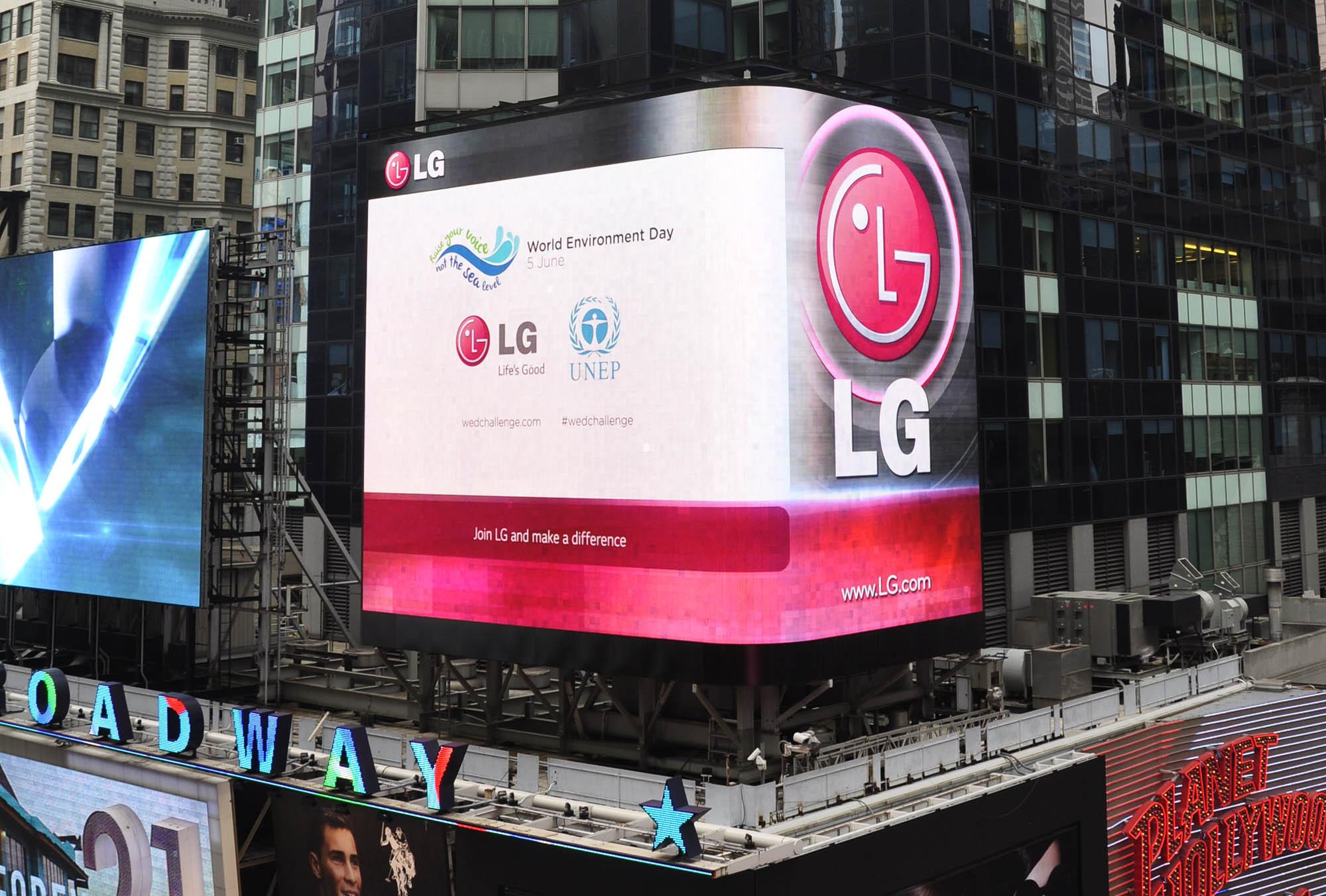
LG Electronics has pledged to transition its entire operations to 100% renewable energy by 2050, joining the global RE100 initiative. The South Korean tech giant aims to achieve 60% renewable energy usage by 2030, with progressive increases thereafter. This aligns with their ongoing eco-initiatives, like constructing a solar power station in Changwon's LG Smart Park, slated for completion by 2025.
In July, LG vowed to gradually transform to entirely using renewable energy, starting with 60% by 2030, 90% by 2040, and 100% by 2050. LG has been constructing a solar power station in Changwon's LG Smart Park, together with the regional energy provider GS EPS, as part of its environmental initiatives. The facility is scheduled to be finished in 2025.
The South Korean technology company has also been using electricity generated on-site in its offices and production facilities in Seoul, North America, and India.
It has implemented several green initiatives, including solar panel installation on its buildings, the use of power purchase agreements that enable businesses to buy electricity directly from suppliers, the use of Renewable Energy Credit certificates, and participation in the Green Premium program in Korea, LG's home market, to buy clean energy directly from the Korea Electric Power Corporation.
Last week, Kakao also signed up for the RE100 initiative. While the global campaign aims to replace all fossil fuel-generated electricity with renewable energy by 2050, Kakao moved up the target year to 2040.
The pledge is a part of Kakao's strategy, which was announced last year, to further consider environmental factors in planning its operations.
The KakaoTalk messenger operator also targets to replace 60% of its electricity consumption in its offices and data centers with renewable energy by 2030. Kakao's Jeju Island headquarters already runs on 100 percent renewable energy.
Photo: LG전자/Flickr(CC BY 2.0)







