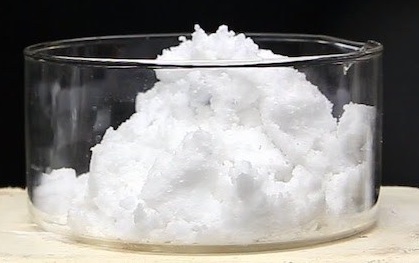
LG Energy Solution is seeking to source lithium hydroxide from Morocco to diversify its supply of an essential electric vehicle (EV) battery material.
The South Korean battery cell maker signed a memorandum of understanding with Yahua, a leading lithium compounds maker in China, to receive lithium hydroxide from the African country.
LG Energy aims to secure high-quality lithium hydroxide through Yahua's manufacturing technology.
Morocco has secured free trade agreements (FTAs) with the US and the EU.
LG also aims to respond more flexibly to the US and the EU, which are strengthening trade protectionism by creating the Inflation Reduction Act and the Critical Raw Materials Act, respectively.
Kim Dong-soo, head of LG Energy Solution's procurement center, said the cooperation will further strengthen their raw material supply chain in the US and the EU markets.



UK Housing Market Gains Momentum in Early 2026 as Mortgage Rates Fall
US Judge Rejects $2.36B Penalty Bid Against Google in Privacy Data Case
Gold Prices Pull Back After Record Highs as January Rally Remains Strong
Trump Threatens 50% Tariff on Canadian Aircraft Amid Escalating U.S.-Canada Trade Dispute
What’s so special about Ukraine’s minerals? A geologist explains
U.S. Government Faces Brief Shutdown as Congress Delays Funding Deal
SpaceX Updates Starlink Privacy Policy to Allow AI Training as xAI Merger Talks and IPO Loom
South Korea Industry Minister Heads to Washington Amid U.S. Tariff Hike Concerns
Toyota Retains Global Auto Sales Crown in 2025 With Record 11.3 Million Vehicles Sold
Federal Judge Signals Possible Dismissal of xAI Lawsuit Against OpenAI
Asian Currencies Trade Flat as Dollar Retreats After Fed Decision
GesiaPlatform Launches Carbon-Neutral Lifestyle App ‘Net Zero Heroes’
Parasites are ecological dark matter – and they need protecting
Bank of Canada Holds Interest Rate at 2.25% Amid Trade and Global Uncertainty
LA fires: Fast wildfires are more destructive and harder to contain
Fertile land for growing vegetables is at risk — but a scientific discovery could turn the tide 


