The University of Toronto has acknowledged discrimination affecting Muslim, Arab and Palestinian communities and announced support measures, while saying it cannot accept a working group's report or recommendations in their current form.
The university issued its response Nov. 12. The working group, established in fall 2024, based its report on 85 consultations and 525 survey responses and presented 57 recommendations. The university's summary said participants recounted ridicule in classrooms and workplaces, damage to Palestine-related materials, online targeting and perceived surveillance.
The report said university scrutiny could constrain community members' speech, research and advocacy while leaving them without adequate protection. It also discussed how institutional rules and discretionary decisions involving safety, complaints, speech and research partnerships may shape those experiences, according to the working group's analysis.
The university cited potential conflicts with collective agreements and faculty academic freedom. It said some proposals would require action by hospitals, school boards or government bodies beyond its authority. Administrators also objected to allegations they said were unattributed and to extended discussion of events abroad. The university warned that some sections could upset Jewish and Israeli students and colleagues.
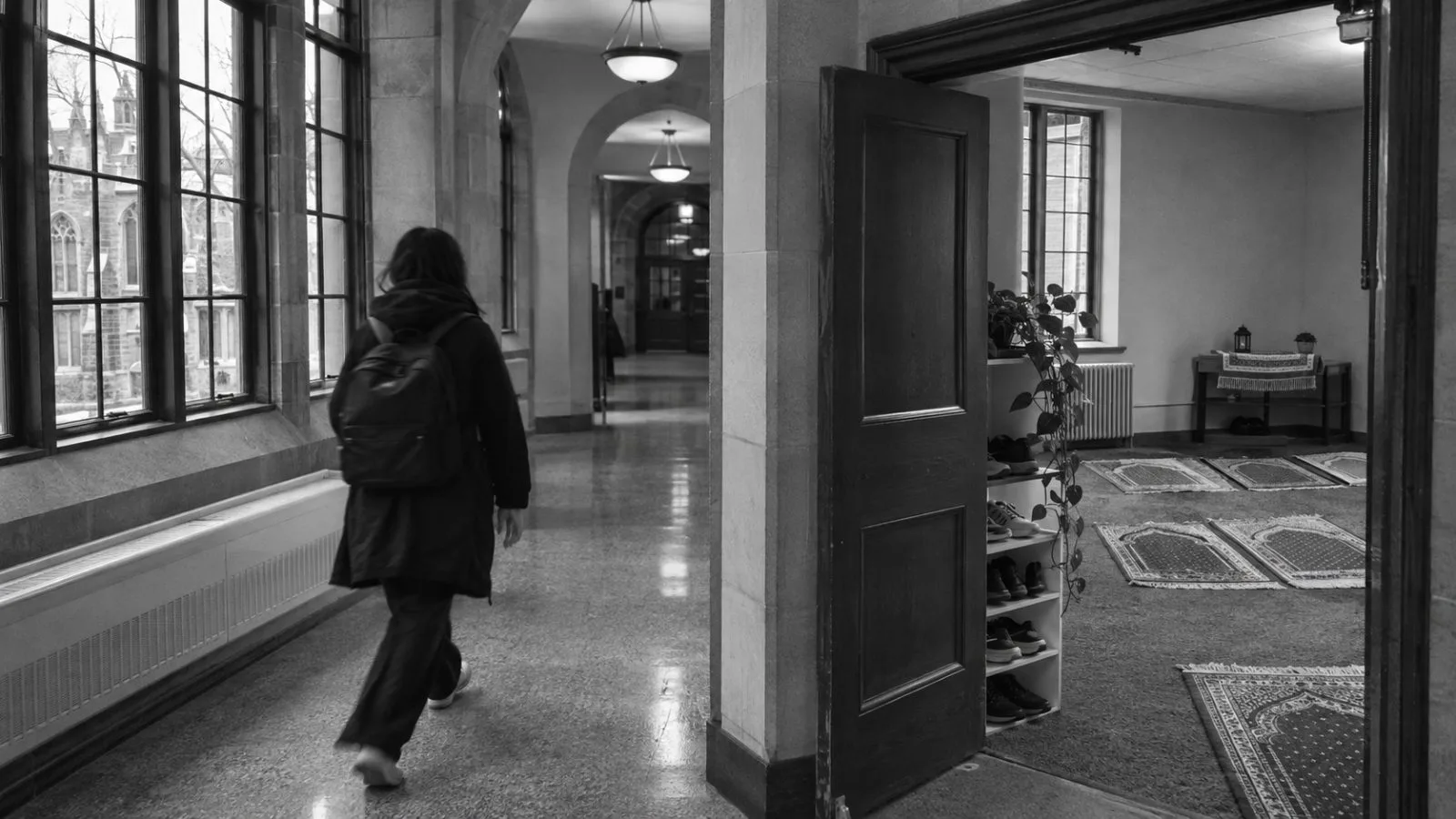
Among the measures, senior leaders plan to consult outside Muslim organizations through a new Muslim Community Advisory Council on campus climate and equity. A dedicated Muslim prayer space at the St. George campus is open, and further renovations are scheduled for completion this academic year. The university also plans to seek additional investments for students in need, including Muslim, Arab and Palestinian students affected by global conflicts, and to introduce online training on discrimination against those communities.
The university traces earlier work to an Institutional Advisory Table established in 2017 and an Anti-Islamophobia Working Group formed by 2019. It says the current working group was set up in fall 2024. The university plans to publish its commitments on a public dashboard so community members can follow progress; the prayer-space renovations are scheduled to finish this academic year.