Uneven project income, incomplete records and weak intellectual-property enforcement are making financing harder for Nigeria’s creative businesses, according to an Oct. 2026 research note from the Development Bank of Nigeria (DBN). The note also identifies project-based cash flows and intangible assets as structural challenges for lenders assessing creative work.
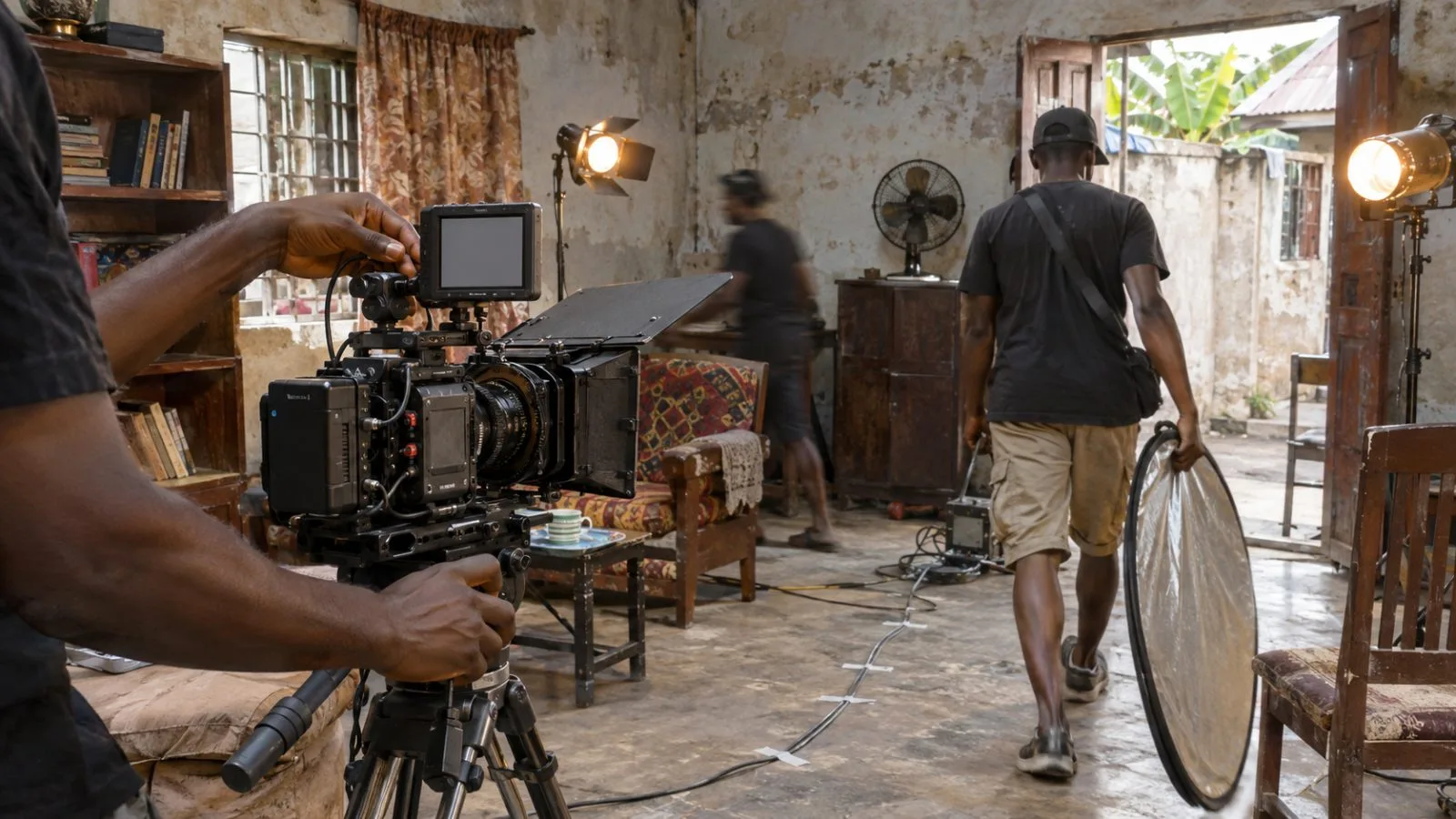
BusinessDay’s Nov. 13 report illustrated the financing questions through a filmmaker’s pitch: where the film would be distributed, who owned its intellectual property and how an investor would recover the money.
DBN describes a timing gap: producers need capital during the creation of a work, with revenue tied to its later commercial use. Irregular receipts, incomplete financial records and weak enforcement of intellectual-property rights can add uncertainty for lenders, the note says. DBN said creators may use personal funds, seek informal backing or give up claims to future revenue.
DBN calculated the combined 2025 real output of four measured areas at ₦4.57 trillion, using National Bureau of Statistics (NBS) national-accounts data and 2019 constant prices. The categories were publishing; motion pictures, sound recording and music production; broadcasting; and arts, entertainment and recreation. The total does not represent the whole creative economy, DBN said. Broadcasting made up 50.44% of the total, while motion pictures, sound recording and music production accounted for 32.61%.
The output estimate and royalty figure measure different activity: DBN’s total covers four national-accounts categories, while the Spotify amount tracks royalty payments. Spotify Loud & Clear data showed more than ₦60 billion in royalties to Nigerian rights holders in 2025, according to DBN’s note. Contracts govern how those royalties are distributed to performers and songwriters. DBN said verified royalty and receivables records could help lenders assess income from these sources.