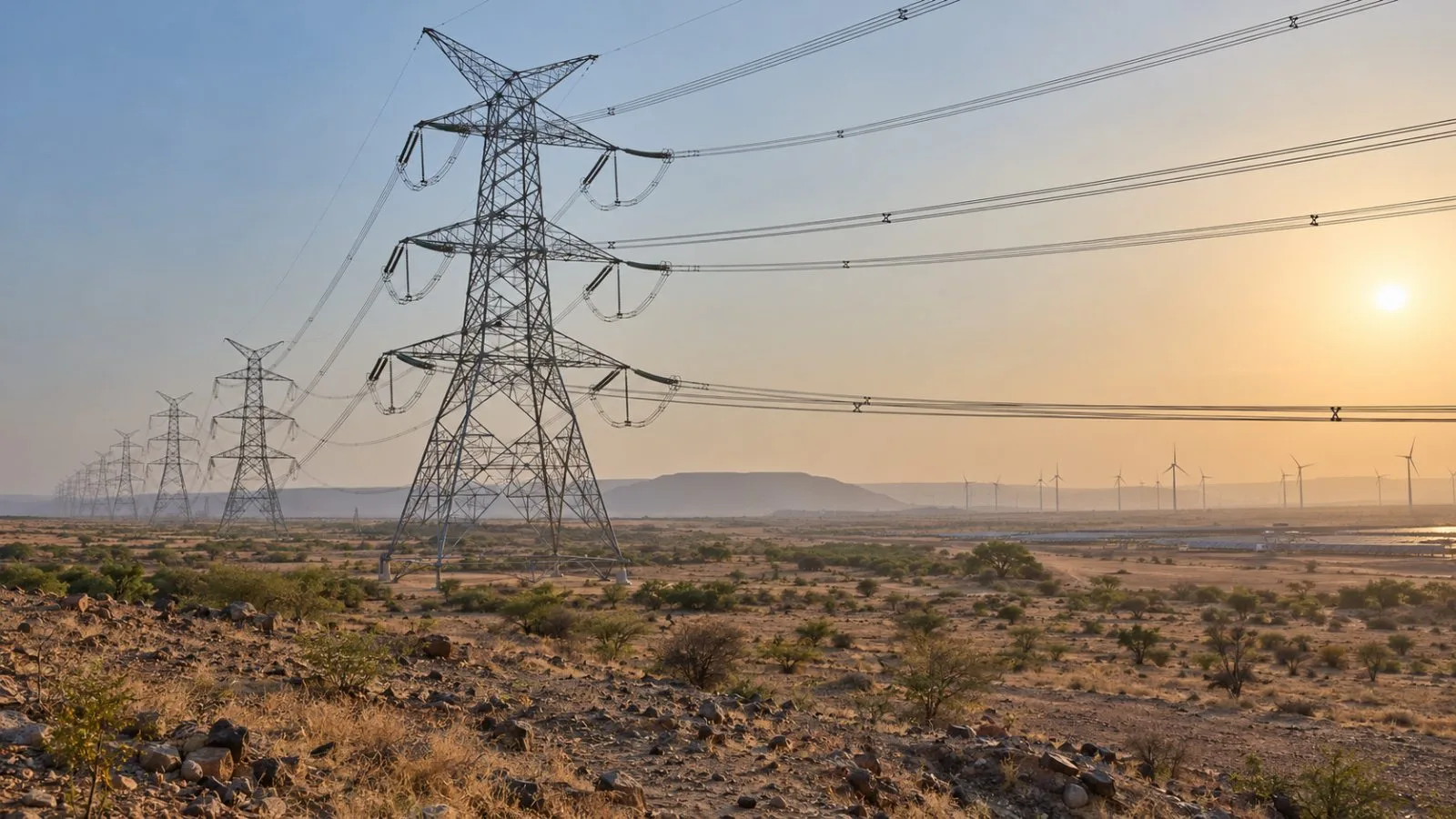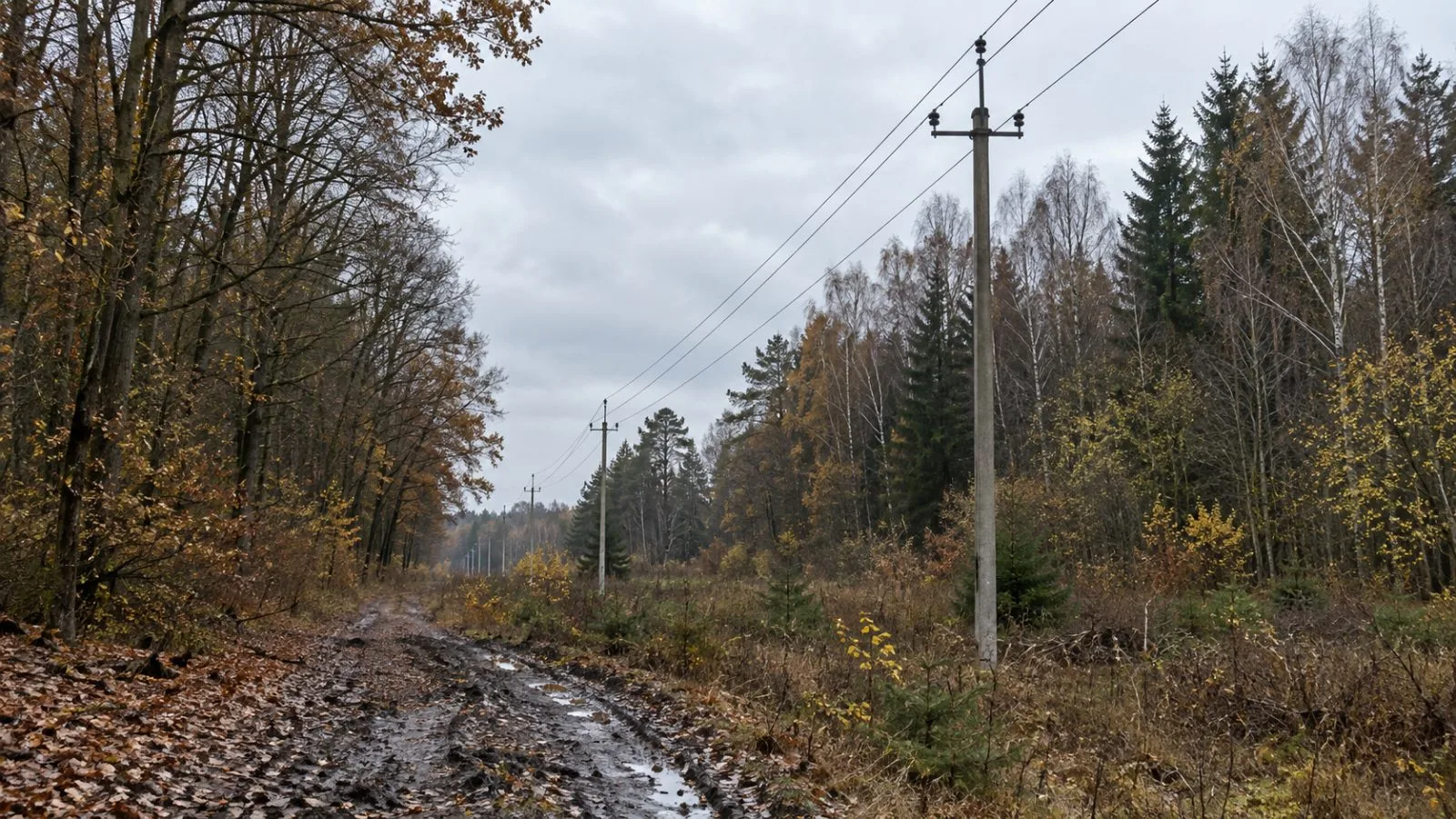
Lithuania’s AB „Energijos skirstymo operatorius“ (ESO) is seeking public feedback on a proposed €4.4 billion grid program for 2026-2035, which would reinforce infrastructure and expand capacity for new consumers and renewable energy connections.
AB „Ignitis grupė“ announced the proposal Oct. 27, comparing it with €3.5 billion in its 2024-2033 plan. The group said the increase reflects additional work under the government-approved Electricity Network Resilience Measures Action Plan and more connection requests from new electricity users.
The plan proposes allocating €2.27 billion to network resilience and modernization, €564 million more than in the previous plan. The work is intended to improve electricity and gas distribution and help restore service faster after disruptions. In forested areas, the company plans to replace overhead lines with underground cables, aiming to convert 5,900 kilometers by 2030. Other projects include renewing aging electricity infrastructure, maintaining the gas network, automating and digitizing grid operations, and installing smart meters.
The plan proposes a further €2.15 billion, €354 million above the earlier plan, for connections for new users and renewable energy. The proposed spending includes new electricity connections, increased permitted capacity for customers, and grid access for generators and customers that also produce power. The plan also aims to integrate renewable sources while making fuller use of existing infrastructure.
Ignitis grupė listed ESO’s own funds and borrowing, European Union financing and other sources as potential funding. The group updates the plan every two years and submits it to Valstybinė energetikos reguliavimo taryba (VERT), Lithuania’s energy regulator. Specific projects in the plan also require coordination with VERT.
The group said publishing the plan does not commit ESO to invest. Project decisions, scope, timing and financing will depend on regulatory coordination, available funding and other economic, legal and factual conditions. Ignitis grupė said the announcement does not affect its 2026 adjusted earnings before interest, taxes, depreciation and amortization (EBITDA) or investment forecasts. The public consultation will run for three weeks.