Low-wage essential workers are more likely to face dangerous working conditions and food insecurity than high-wage workers, even more so during the COVID-19 pandemic.
Our research provides some of the first data on the safety of essential workers during the pandemic.
Our findings suggest that COVID-19 is not the “great equalizer,” as Andrew Cuomo once called it. In fact, inequality is getting worse.
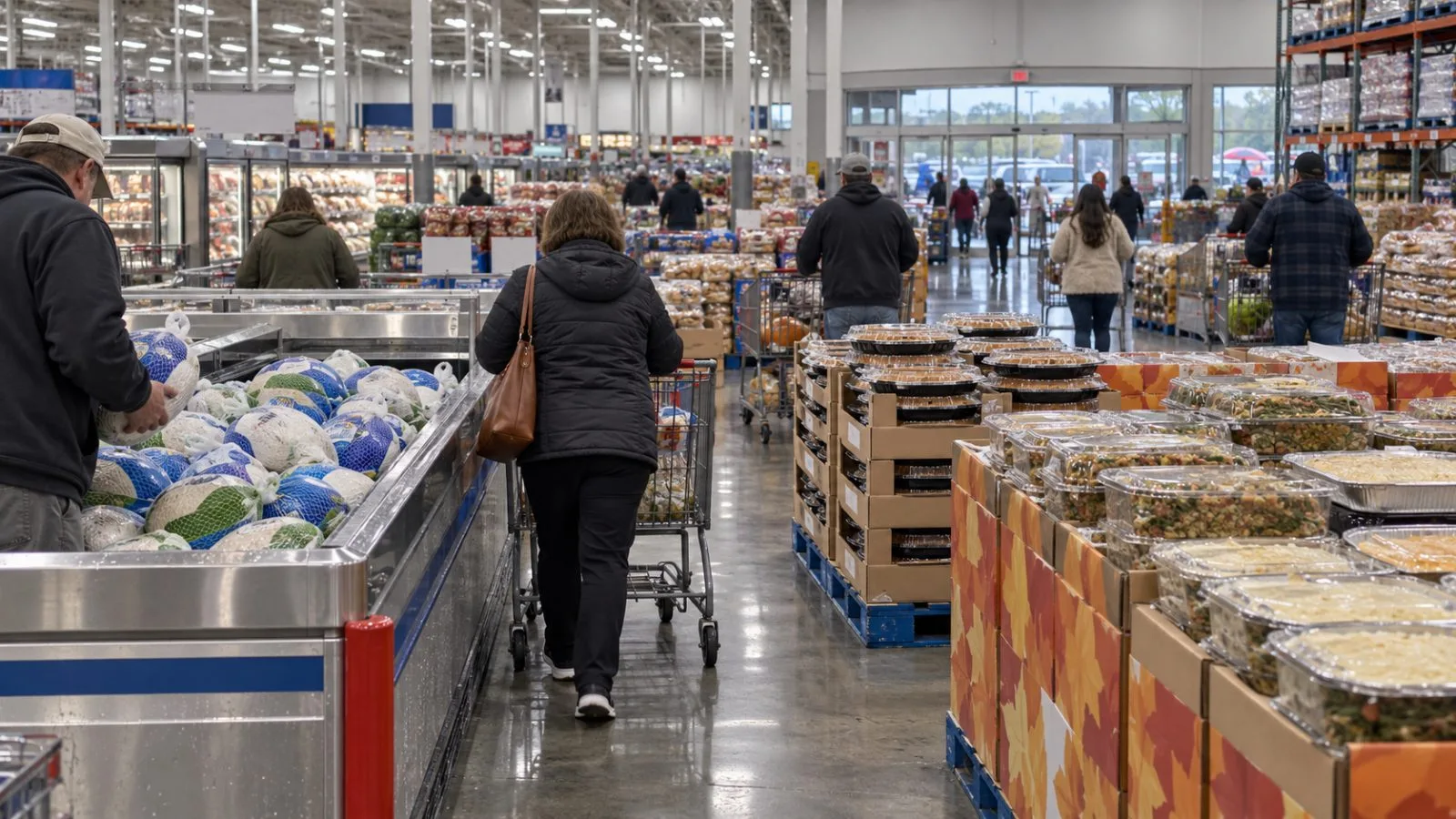
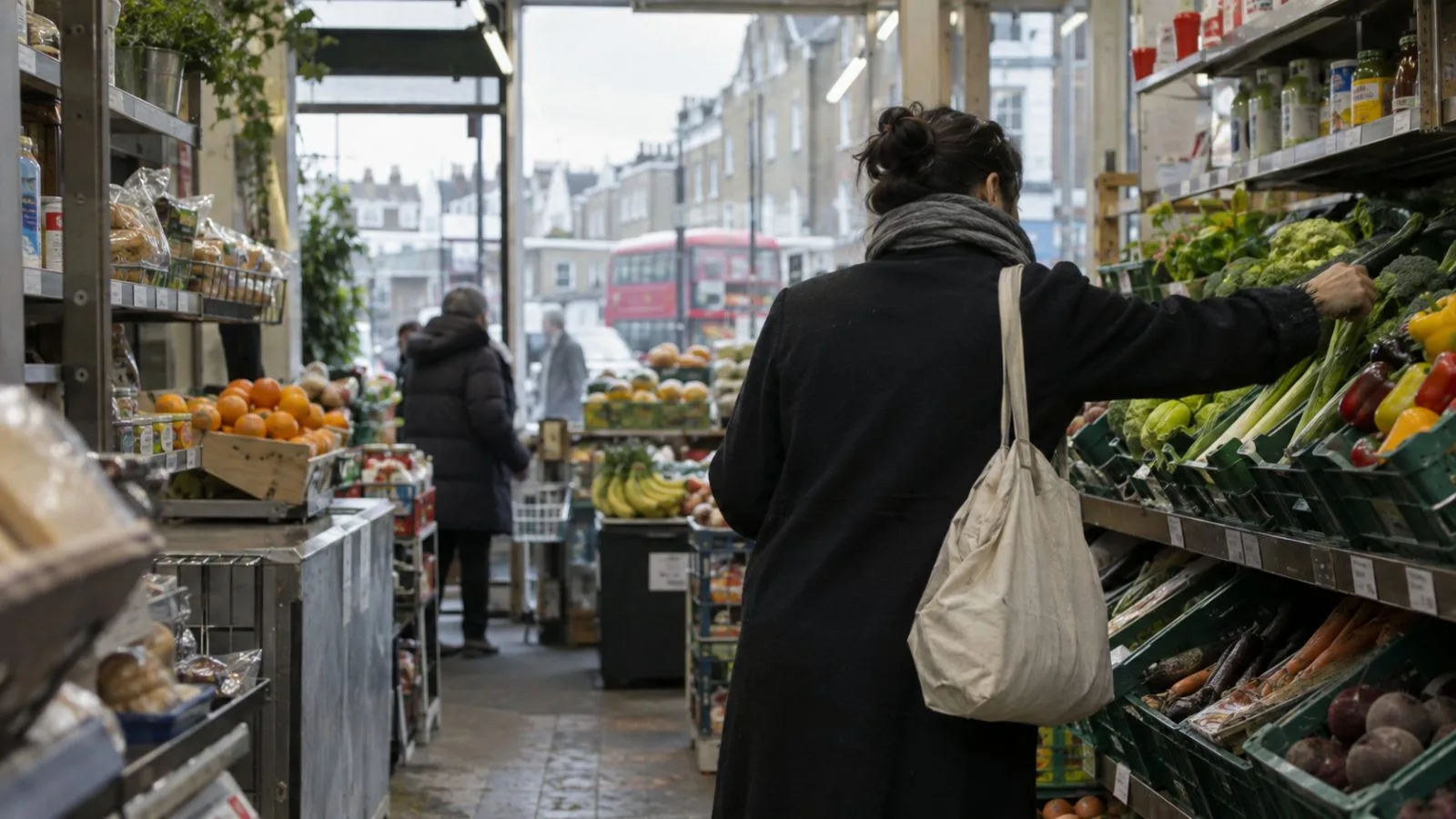
We found that across income levels, roughly two-thirds of essential workers were unable to practice social distancing. Low-wage essential workers include grocery clerks, home health aides and delivery drivers, while high-wage workers include nurses, doctors and managers.
However, low-wage workers were two to three times more likely than high-wage workers – workers earning over US$40/hour – to lack other forms of protections, including access to masks, hand sanitizer, training on how to prevent COVID-19 transmission or regular hand-washing opportunities.
Low wages, high rates of infection
In our study, we surveyed over 1,600 essential workers in western Massachusetts, a hot spot for COVID-19, who were at work between April 17 and April 24, 2020. We wanted to learn about the experiences at work and at home of those who stayed on the job.
At the close of April, Massachusetts had the third-highest COVID-19 case count of all states.
We reached essential workers through targeted Facebook advertisements, a method that allows researchers to engage with emerging or hard-to-reach groups of people.
Although they do essential jobs, many essential workers are low-wage, earning under $20 an hour. While there are several ways to define low-wage, this is the definition we used in our study.
Infection risks and food insecurity
Not surprisingly, low-wage workers reported feeling less safe at work than high-wage workers. While 44% of high-wage workers reported not feeling safe, this percentage increased by 10 points to 54% for low wage workers.
Low wages were also a key indicator of food security. One in three low-wage respondents reported that they were unable to provide for themselves or their family in mid-April.
One of our survey respondents wrote, “We are risking infecting our family by working, and they don’t give us anything extra in our paychecks to be able to buy more food. What we earn is for paying rent, electricity, insurance, and the rest is barely enough to buy food.”
Others wrote that unemployment checks would be higher than they are paid as essential workers.
Over the past few months, COVID-19 has exposed and exacerbated inequities, including the safety of low-wage workers. From our perspective, safety is not just an issue for essential workers’ health. It fundamentally impacts our ability to reopen and stay open.