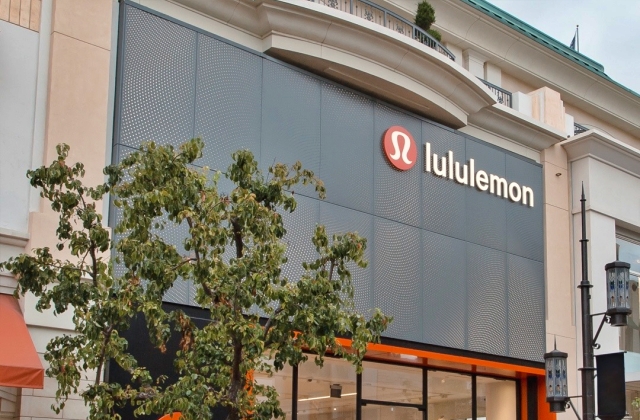
Lululemon kicked off 2026 under pressure after issuing revenue and profit guidance that disappointed Wall Street analysts and announcing a high-profile board shakeup amid an ongoing proxy fight from company founder Chip Wilson.
The athletic apparel giant projected full-year revenue between $11.35 billion and $11.50 billion, coming in below the analyst consensus of $11.52 billion. Earnings per share guidance of $12.10 to $12.30 also trailed expectations of $12.58. Despite the cautious outlook, analysts noted the conservative guidance may reflect the absence of a permanent CEO following Calvin McDonald's exit in January, with the company currently being led by interim co-CEO and CFO Meghan Frank.
Frank emphasized that restoring full-price sales growth in North America is a top priority, pointing to plans around refreshing product designs, trimming excess inventory, and reducing markdowns. Lululemon also stated it expects to offset nearly all of the estimated $380 million gross impact from U.S. import tariffs — a notable increase from $275 million in 2025 — as it diversifies its sourcing strategy away from heavy reliance on China.
On the governance front, Lululemon named former Levi Strauss CEO Chip Bergh to its board of directors, a move that drew praise from industry analysts who cited his turnaround experience in apparel. Meanwhile, longtime board member David Mussafer announced he would not seek re-election, a development seen as a partial concession amid Wilson's ongoing push for structural board changes.
Wilson, who controls roughly 4.27% of company shares, has nominated three independent directors and called for annual board elections, citing concerns over conflicts of interest in the CEO search process.
Lululemon's stock slipped around 1.5% in after-hours trading and has declined approximately 23% year-to-date, reflecting broader headwinds from intensifying competition, shifting consumer sentiment, and uncertainty surrounding long-term brand leadership.