Germany is steering research and technology policy toward six priority fields as a business initiative estimates up to €4.1 trillion in investment and financing potential through 2035, against a weak recovery.
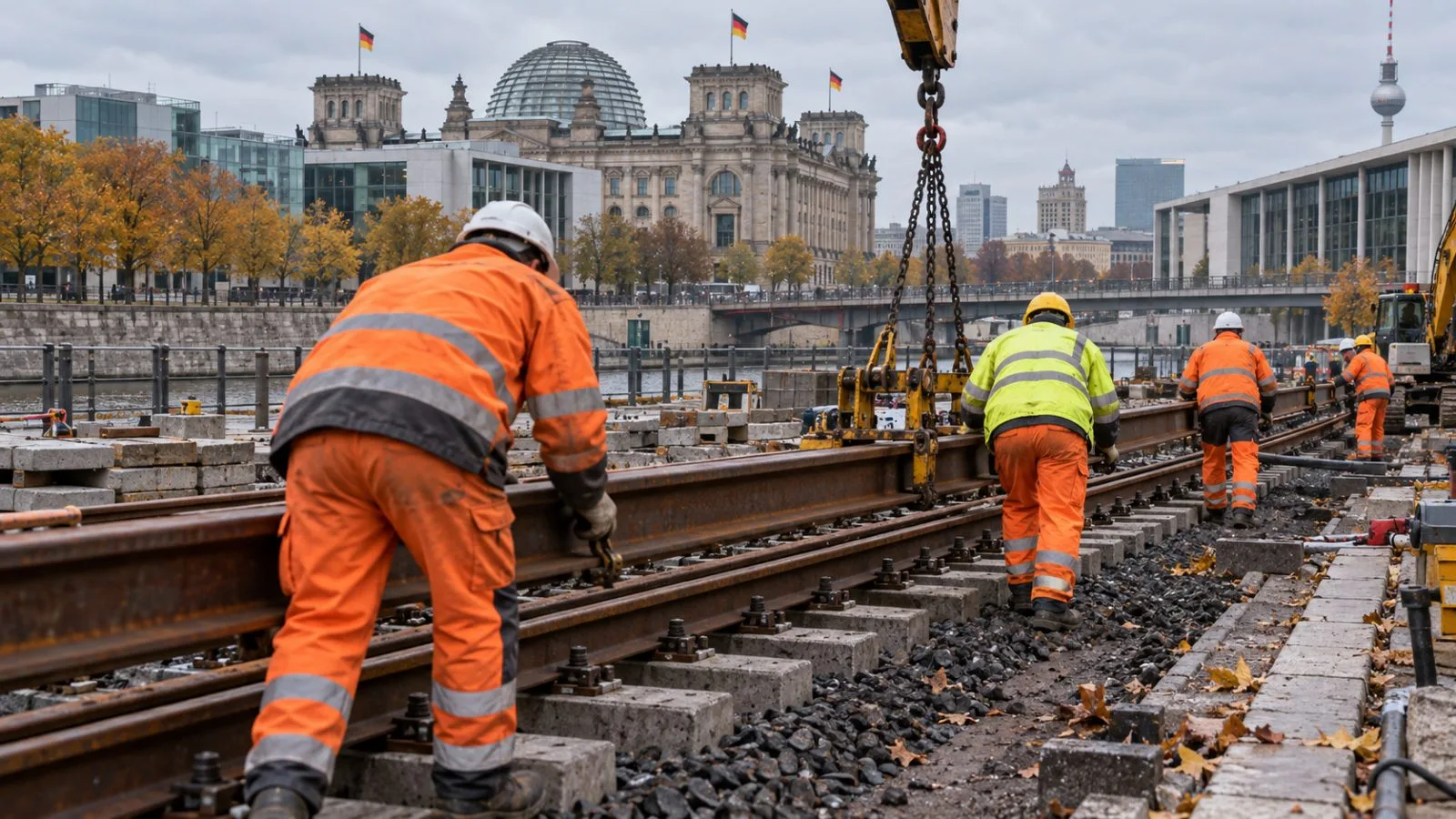
Made for Germany’s October report identifies five areas: artificial intelligence as a cross-cutting force; industrial reinvention and next-generation technologies; resilient energy systems; core infrastructure; and security and defense. The €2.9 trillion to €4.1 trillion range represents potential investment and financing, not a commitment to invest the full amount.
The initiative says its 147 company and investor members plan to invest more than €850 billion in Germany from 2025 to 2028, including more than €200 billion invested in 2025. Those figures come from the initiative.
Adopted in July 2025, the government’s High-Tech Agenda covers artificial intelligence, quantum technologies, microelectronics, biotechnology, fusion and climate-neutral energy generation, and climate-neutral mobility. The government says it aims to bring research into industrial use sooner, make it easier to establish startups and reduce bureaucracy.
Germany’s Federal Statistical Office (Destatis) said real gross domestic product contracted 1.0% in 2023, stagnated in 2024 and grew 0.2% in 2025. Household and government spending provided the main support for last year’s expansion, Destatis said. Exports fell, while investment in machinery, equipment and construction remained subdued.
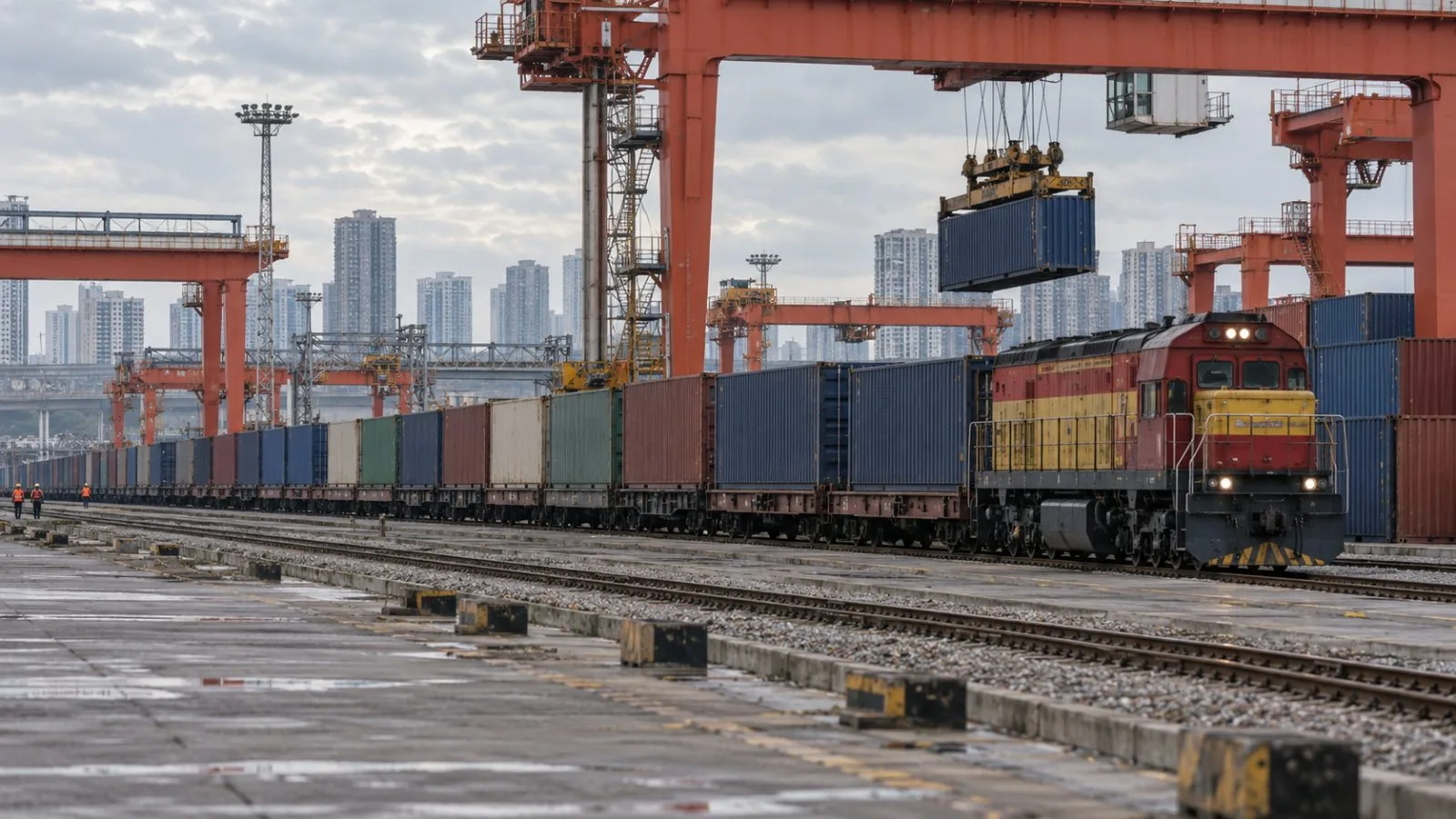
Trade with China is another pressure point. German exports to China fell 9.7% to €81.3 billion in 2025, while imports rose 8.8% to €170.6 billion, Destatis reported. The German Economic Institute (IW) said exports of cars and car parts to China dropped by one-third to €13.6 billion.
The government’s Oct. 8 forecast projects growth of 1.3% in 2026, 1.1% in 2027 and 0.6% in 2028. It raised its 2026 estimate by 0.8 percentage points from the spring forecast, citing exports and state investment in defense and infrastructure. Federal Minister for Economic Affairs and Energy Katherina Reiche said, “We have come through the worst; the German economy is growing again. This is an important signal, but it is only the beginning.”
Two October polls put the AfD ahead of the CDU/CSU, though their estimates differed. INSA’s poll published Oct. 20 found 30% support for the AfD and 18% for the CDU/CSU; it surveyed 2,002 people online and reported a maximum margin of error of 2.5 percentage points. YouGov, whose survey ran Oct. 16-19, put the parties at 28% and 18%, respectively, among 1,773 respondents. The polls do not establish whether economic conditions are driving voter support.
The next annual federal economic projection is expected at the start of 2027. The government has not announced an exact date.