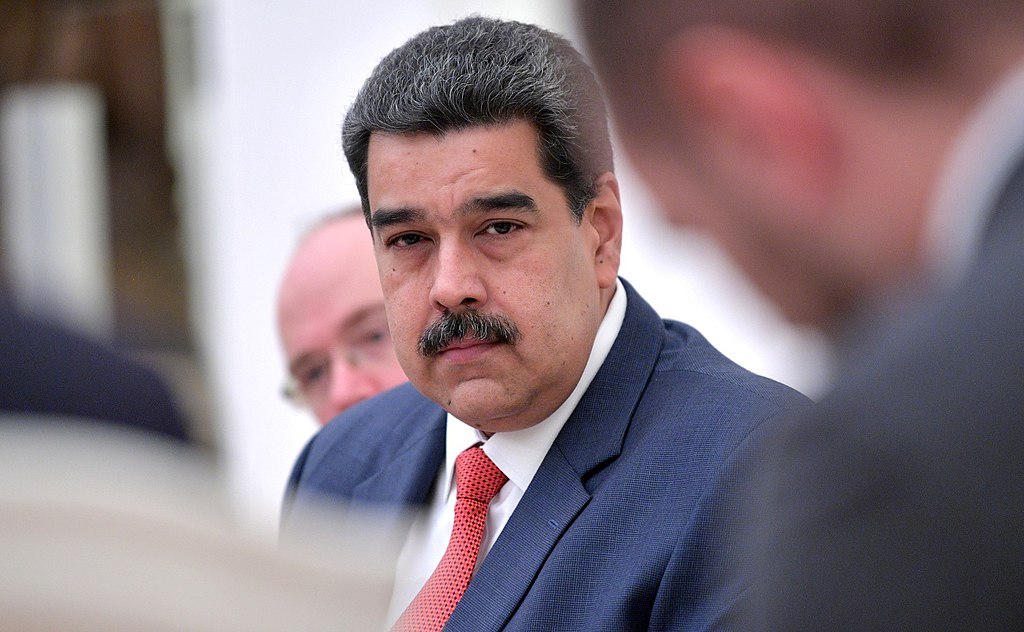
A U.S. federal judge has scheduled the criminal trial of ousted Venezuelan President Nicolas Maduro and his wife, Cilia Flores, for June 1, 2027, in a high-profile drug trafficking case that could carry a life sentence if Maduro is convicted. The pair appeared in Manhattan federal court on Wednesday, where U.S. District Judge Alvin Hellerstein set key pretrial deadlines, including a September 2 filing date for motions seeking dismissal of the indictment.
Maduro, 63, and Flores, 69, both pleaded not guilty to charges linked to an alleged conspiracy to facilitate cocaine shipments while leading Venezuela. Prosecutors accuse Maduro of offenses including narcoterrorism conspiracy and cocaine importation conspiracy.
Defense attorney Barry Pollack said the legal team will argue that Maduro is immune from prosecution because he remains the head of a sovereign state. The defense is also expected to challenge the legality of Maduro’s capture during a January 3 military raid in Caracas ordered by U.S. President Donald Trump.
The trial schedule was jointly proposed by prosecutors and defense lawyers, with Pollack telling the court both sides believe the June 2027 timeline is realistic. Judge Hellerstein also set a January 11, 2027, deadline for a second round of defense motions after prosecutors provide evidence, including classified materials.
Maduro, who led Venezuela from 2013 until his capture, previously described himself as a "prisoner of war" during his first court appearance in January. He briefly waved toward the courtroom gallery as U.S. marshals escorted him out following Wednesday’s hearing.
The United States stopped recognizing Maduro as Venezuela’s legitimate president in 2019, accusing him of election fraud, corruption, and economic mismanagement. Maduro has consistently rejected those allegations, claiming Washington sought to remove him to gain influence over Venezuela’s vast oil reserves.
Since Maduro’s capture, former Vice President Delcy Rodriguez has overseen Venezuela’s government while expanding cooperation with the Trump administration. The United States has also eased sanctions on Venezuela’s oil sector, allowing foreign energy companies to increase investments. Earlier this year, Washington modified sanctions to permit the Venezuelan government to pay Maduro’s legal fees.